Trimmer line that snaps every few minutes usually isn’t a bad-luck spool – it’s dried-out nylon, the wrong diameter for the machine, or a head reload done the wrong way. All three are easy to fix in a few minutes once you know which one is happening to you.
Why the Line Keeps Snapping
Trimmer line is nylon, and nylon needs a small amount of moisture to stay flexible. A spool left in a hot garage or shed for a season dries out and turns brittle, so instead of flexing against grass and hitting rocks, it cracks and throws short pieces almost immediately. If you’re going through fresh line inside a single mowing session, dry-out is the most likely cause – not a defective spool.
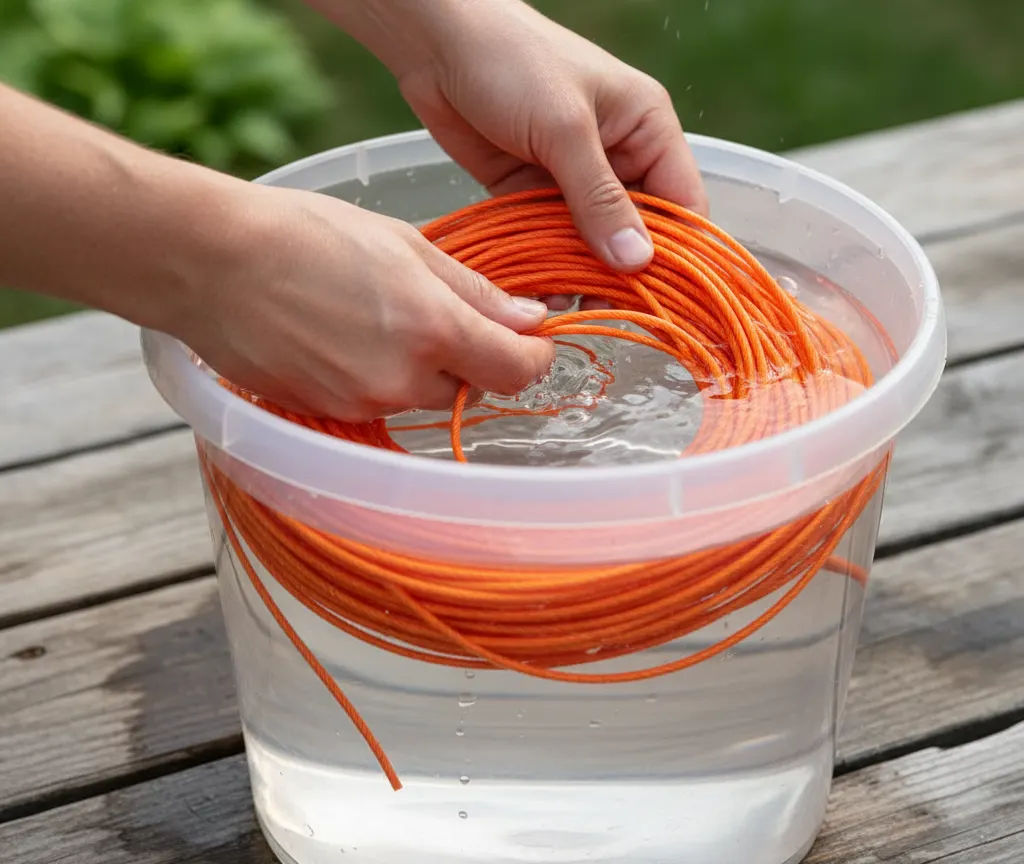
The fix is simple: soak a new spool in water for 10-15 minutes before loading it, and store spare spools in a sealed plastic bag or container rather than an open shelf. A little humidity in the storage container keeps the line pliable for months longer than leaving it exposed to dry air.
Using the Wrong Diameter for Your Trimmer
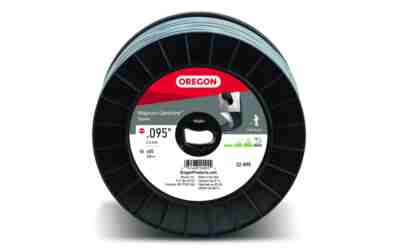
Every trimmer head is rated for a specific line diameter range, usually printed on the head itself or in the manual – commonly .065″, .080″, or .095″. Line that’s too thin for a heavier-duty head flexes too much under load and shears off against thick weeds or edging; line that’s too thick for a lighter trimmer can overload the motor, bog the head down, or jam the eyelets entirely.
A rough rule of thumb: .065″ and .080″ suit standard homeowner electric and light gas trimmers doing routine lawn edges, while .095″ and up is for gas-powered or heavier-duty units cutting thicker weeds and brush. If you’ve swapped brands or upgraded trimmers recently and started seeing more breakage, checking the diameter against the head’s rating is worth doing before blaming the line itself.
How to Reload the Trimmer Head Right
A poorly wound spool is the third common cause of premature breakage, and it’s the one most owners get wrong without realizing it. Follow these steps for a standard bump-feed dual-line head:
- Remove the spool from the head by releasing the tabs or twisting the retaining cap, depending on your model.
- Cut a fresh length of line to the size specified in your manual (commonly 10-25 feet for dual-line heads).
- Find the arrow or notch molded into the spool showing the correct winding direction – winding against it causes the line to unwind and jam under spinning force instead of feeding smoothly.
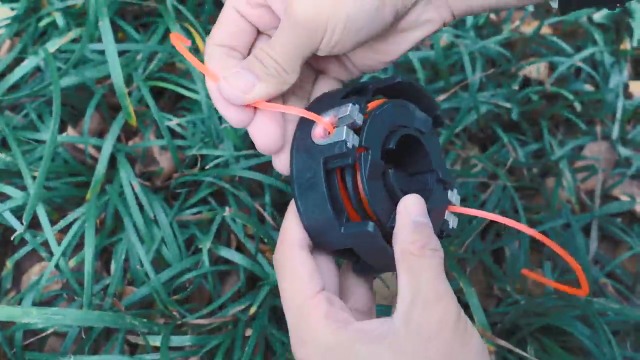
- Feed the line’s midpoint into the center anchor slot, then wind both halves evenly and tightly in the marked direction, keeping tension consistent so the coils sit flat.
- Leave 4-6 inches of line free on each end and seat both ends in the notches or eyelets on the spool’s edge before reinstalling.
- Thread each end through the head’s eyelets, then reinstall the spool and snap the retaining cap back into place.
When the Line Won’t Feed at All
If bumping the head does nothing, the line has usually welded itself together inside the spool from heat, or it’s wound too tightly with overlapping coils binding against each other. Pull the spool apart, unwind it completely, and check for a section that’s fused or kinked – trim that section out rather than trying to work it loose, then rewind following the direction and tension steps above.
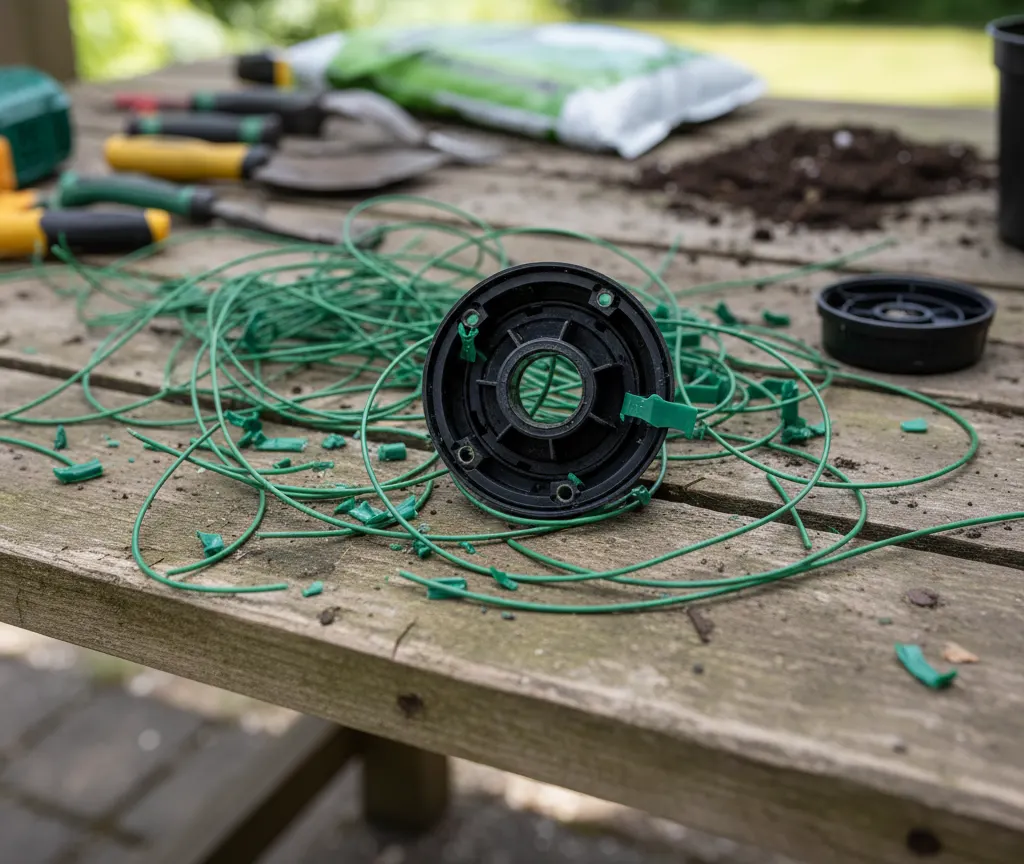
A head that fed fine yesterday and suddenly won’t budge today is more often a jammed or cross-wound spool than a broken feed mechanism, so it’s worth a full unwind-and-rewind before assuming the head itself needs replacing.
See our picks: best .095 string trimmer line and best weed trimmer replacement heads.

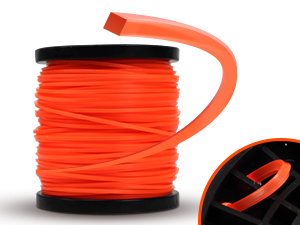
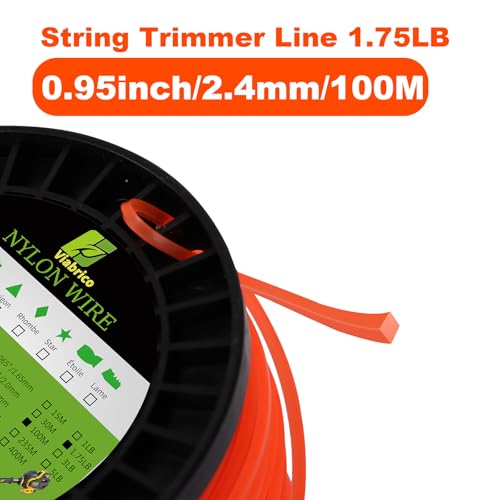
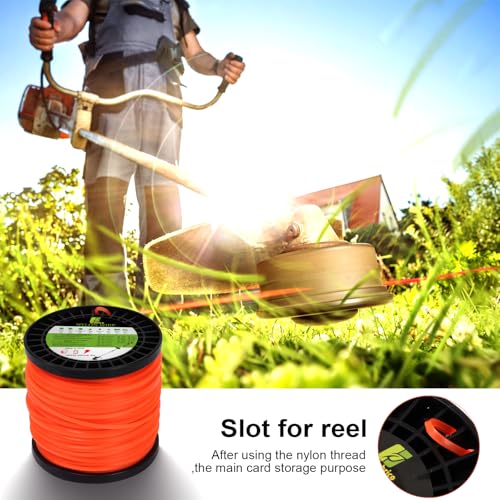
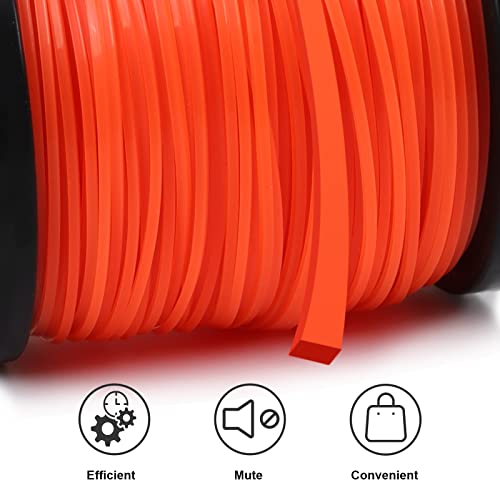
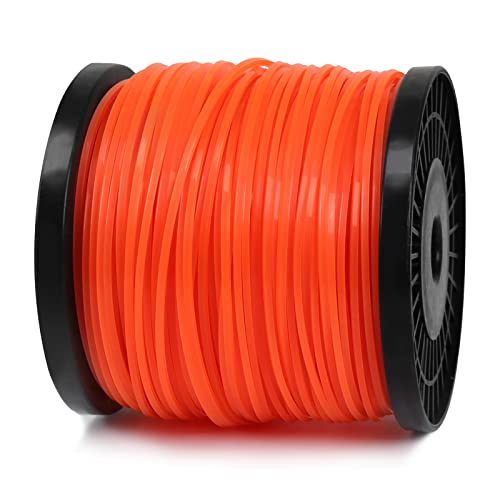
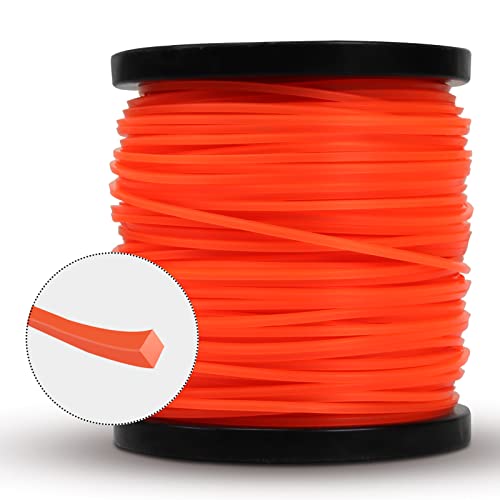
Viabrico .095" Square Orange Trimmer Line 330ft



Fixed-Line vs Bump-Feed Heads
Fixed-line heads use pre-cut lengths clipped or threaded into slots and don’t feed automatically – when a piece snaps, you stop and replace that single piece by hand. Bump-feed heads store a full coil on a spool and release a little more line each time you tap the head on the ground, which is more convenient for continuous mowing but also the type most prone to jamming from a poorly wound reload. If breakage is happening constantly rather than occasionally, a fixed-line head sidesteps the winding-direction and tension mistakes entirely, since there’s no spool to wind wrong in the first place.
How Much Line to Load
Overfilling a spool is another quiet cause of jamming – packing in more line than the spool is designed to hold creates uneven pressure between coils, and the outer wraps can bind against the inner ones as the head spins. Check your manual for the rated length (commonly 10-25 feet split between both line ends on a dual-line head) and stop there rather than cramming in extra “to save a trip” later. A properly filled spool with slightly less line feeds more reliably than an overstuffed one.
Keeping It From Happening Again
Buy line diameter to match your trimmer’s rating rather than whatever’s cheapest, store spare spools sealed rather than on an open shelf, and soak any spool that’s been sitting for more than a couple months before loading it. Trimming along edging, fences, or brick also wears line faster than open grass – easing the head away from hard surfaces rather than running the tip straight into them cuts down on snapped-off line mid-job.
Frequently Asked Questions
How do I load a string trimmer head?
Remove the spool, find the winding-direction arrow molded into it, wind both line halves evenly and tightly in that direction, leave 4-6 inches free on each end, seat the ends in the spool’s notches, thread through the eyelets, then reinstall the spool and cap.
Why won’t my trimmer line feed?
The line is usually fused from heat or wound too tightly with overlapping coils binding against each other inside the spool – unwind it completely, trim out any fused or kinked section, and rewind with even tension.
What’s the difference between .095 and .080 trimmer line?
.095 inch is thicker and meant for heavier-duty gas trimmers cutting thick weeds and brush, while .080 inch suits lighter electric and homeowner trimmers doing routine lawn edges – using the wrong diameter for your head’s rating causes premature breakage either way.