A rain barrel that isn’t checked between storms turns into three separate problems at once: mosquitoes breeding in the still water, algae clouding it green, and an overflow that dumps straight against your foundation during a heavy rain. All three trace back to the same neglected setup, and all three are fixed with the same few habits once you understand what actually triggers each one.
Standing Water Is the Mosquito Switch
Mosquitoes don’t need much – a few days of undisturbed standing water is enough for eggs to hatch into larvae. A rain barrel that collects water and sits for a week or two between uses is functionally identical to a breeding pool, whether the barrel is brand new or five years old. This is why “just add a lid” isn’t a complete fix: any gap around the inlet, the overflow port, or a loose-fitting lid is still an entry point for an adult mosquito looking to lay eggs.
The fix isn’t sealing the barrel shut, since it still needs to breathe and fill from the downspout. It’s closing every gap an adult mosquito could use to get in, then making the water itself inhospitable to anything that slips through anyway.
How to Keep Mosquitoes Out for Good
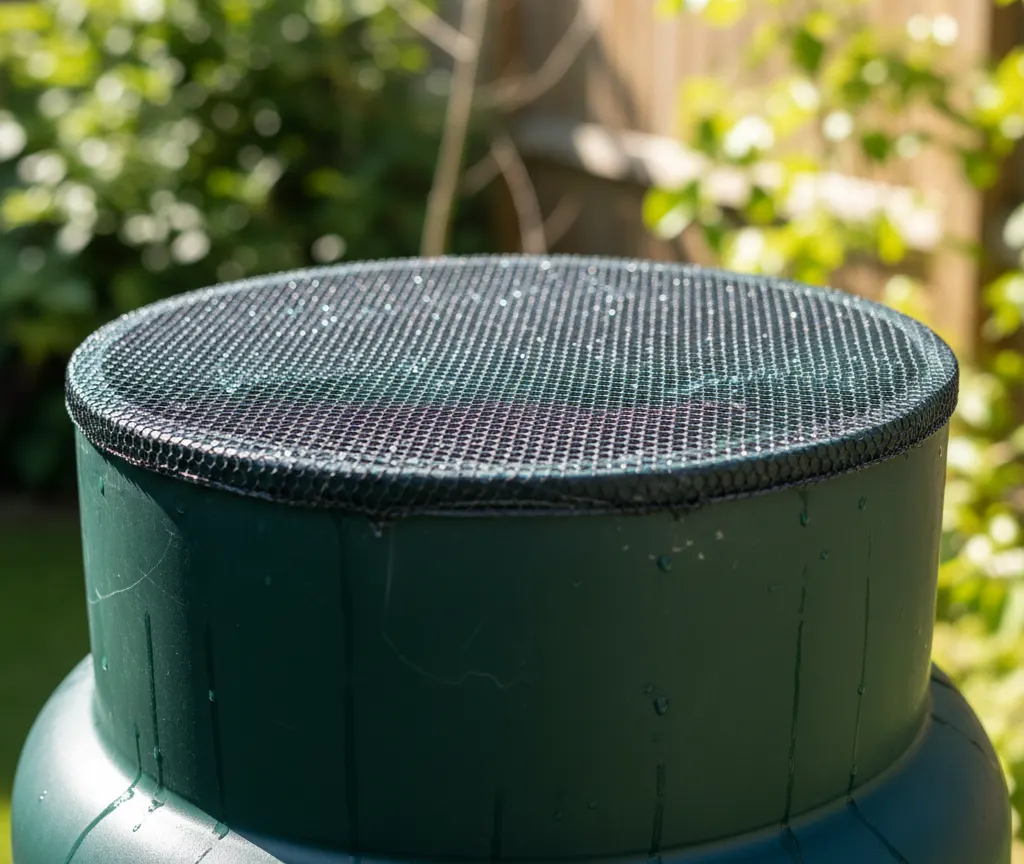
- Fit a fine mesh screen (fiberglass window screen works) over the inlet where the downspout feeds in, and secure it so there’s no gap around the edges – this is the opening mosquitoes use most, since it’s usually the widest one.
- Check that the lid seats tightly all the way around, not just resting on top. A warped or slightly undersized lid leaves a crescent-shaped gap that’s easy to miss from above.
- Screen the overflow port too. It’s often overlooked because water only flows out of it, but mosquitoes can still get in through it when the barrel isn’t overflowing.
- Drop in a mosquito dunk (Bti, a naturally occurring bacterium that kills larvae without harming plants, pets, or people) and replace it roughly every 30 days per the package – it works even if a few mosquitoes get past the screening.
The dunk is the backstop, not the primary defense – screening the openings is what stops the problem before it starts, and it’s also what keeps leaves and debris from clogging the barrel in the first place.
Light Is the Algae Switch
Algae needs sunlight to grow, which is why a clear or translucent rain barrel almost always turns green faster than an opaque one sitting in the exact same spot. The water, the nutrients from roof runoff, and the warmth are the same either way – light getting through the barrel wall is the one variable that decides whether algae takes hold. This is also why algae tends to show up first near the top of the barrel, where the most light reaches, before spreading further down.
If your barrel is a lighter or semi-translucent color, wrapping it in a dark tarp or moving it to a shadier spot along the downspout cuts algae growth dramatically. An opaque barrel in full sun will still grow some algae over a season, just far more slowly than a clear one in the same spot.
Cleaning Out Algae When It Happens
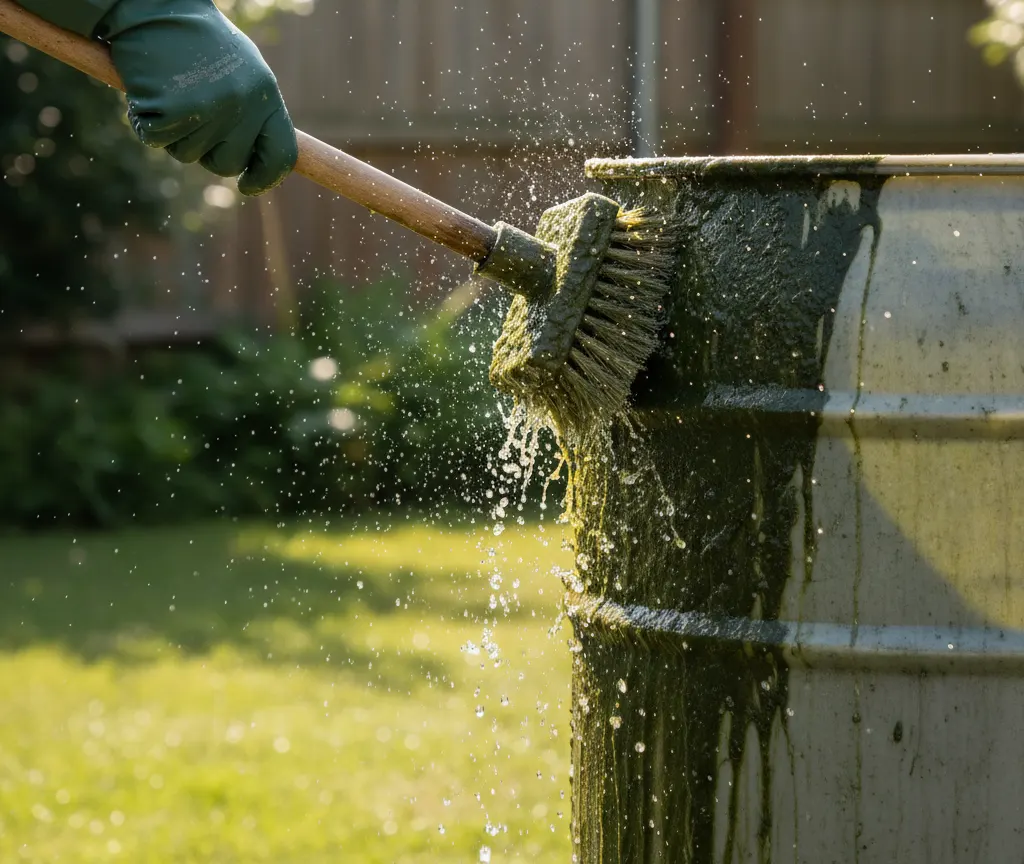
Drain the barrel or use up the stored water first, then scrub the interior walls with a stiff brush and a mix of water and a small amount of dish soap – skip bleach or harsh cleaners if you plan to use the water on edible plants. Rinse thoroughly afterward, since soap residue in a rain barrel is worse for your garden than the algae was. A scoop net or the fine mesh screen from the inlet also works to skim floating algae off the surface between full cleanings, which cuts down on how often a full drain-and-scrub is needed.
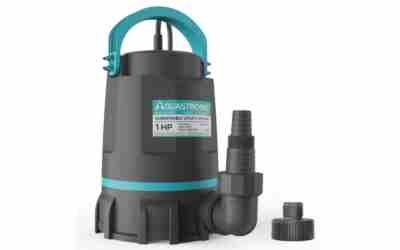
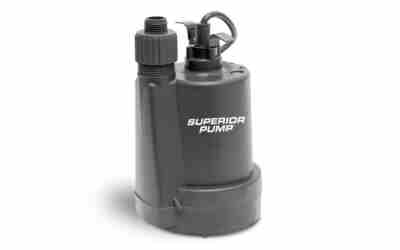
See our picks: best rain barrels and best submersible water pumps for moving the stored water where you need it.

FCMP Outdoor Raincatcher 4000 50-Gallon Flat-Back Rain Barrel with Linking Kit


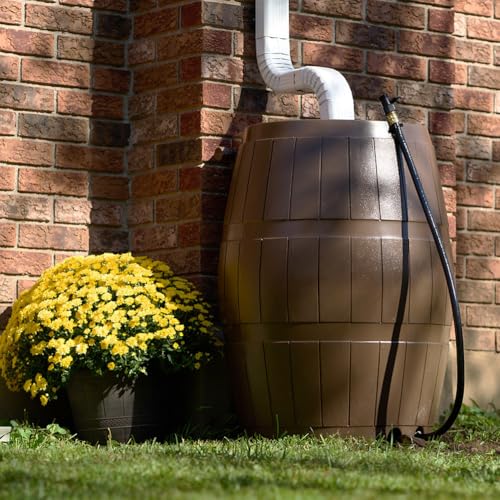
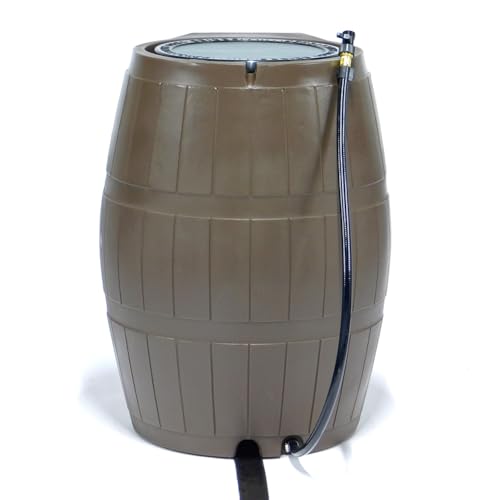
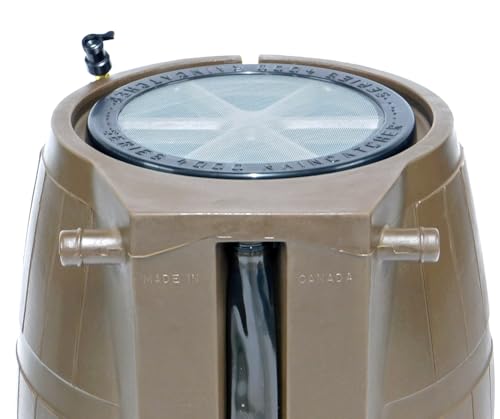
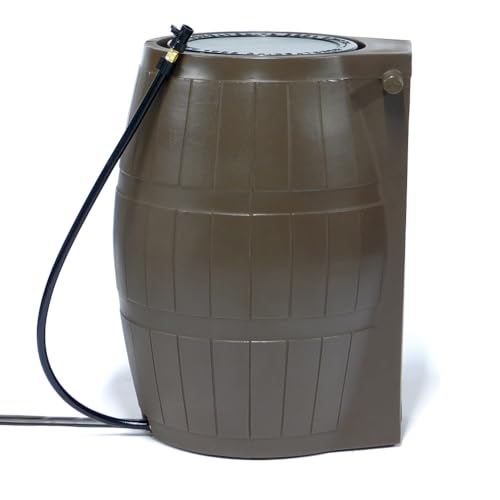
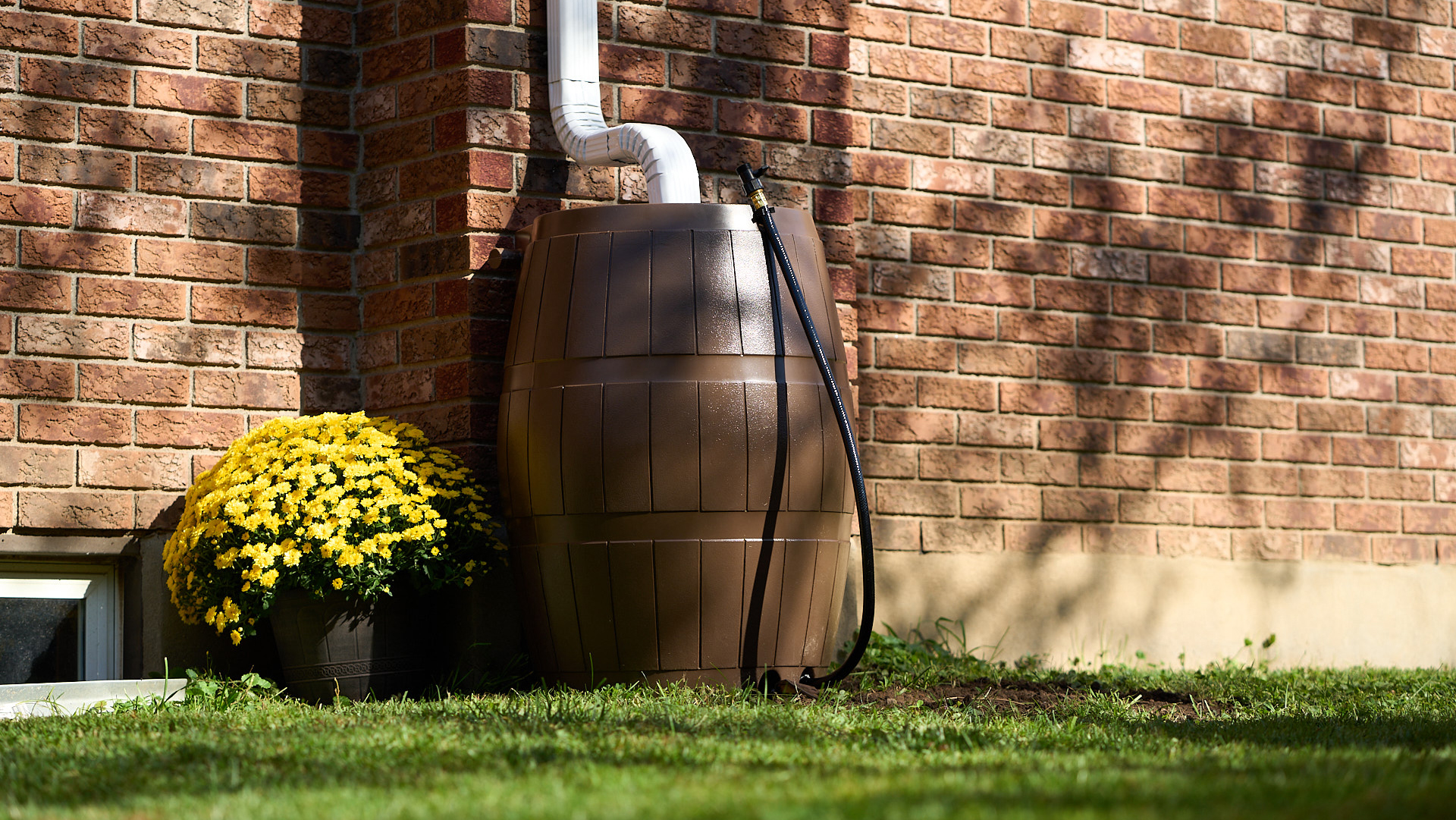
Overflow Damage: Route It Away From the Foundation
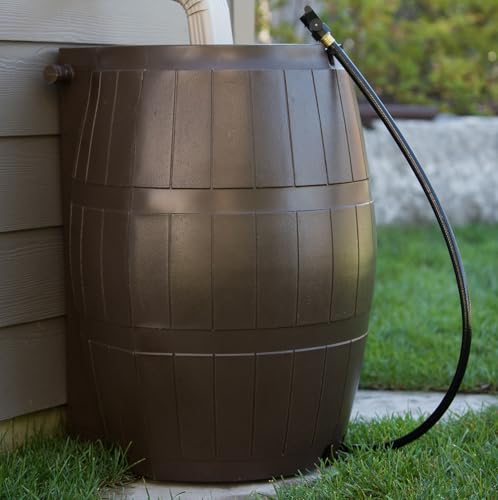
A full rain barrel has nowhere for extra water to go except back out its overflow port, and on most setups that port just dumps straight down next to the barrel. If the barrel sits close to the house, that’s the same water pooling right against the foundation during every heavy storm – the exact problem gutters were supposed to solve in the first place, just relocated a few feet.
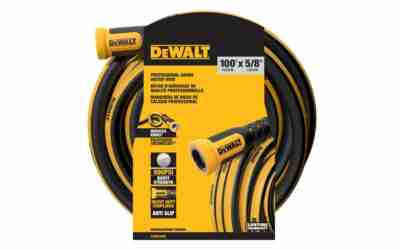
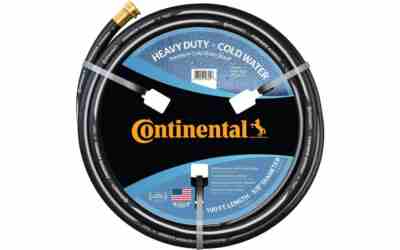
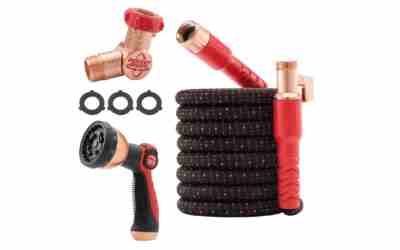
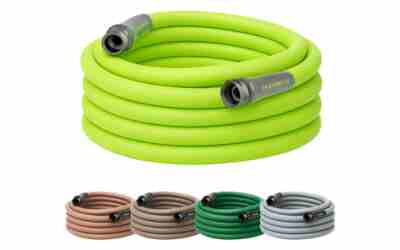
An overflow diverter hose or a short length of flexible pipe attached to the overflow port fixes this by carrying that extra water several feet away, toward a slope, a garden bed, or a drain – anywhere except back toward the house. Most rain barrel kits either include one or fit a standard garden hose, so this is usually a low-cost add. Check the diverter after a heavy storm, since debris or a kink can quietly stop it from routing overflow without being obvious at a glance.
A Simple Maintenance Schedule
Every 30 days: check and replace the mosquito dunk, and confirm the mesh screens are still seated tight over the inlet and overflow port. Every few weeks in warm weather: glance at the waterline for early algae and skim it off before it spreads. After any heavy storm: check that the overflow diverter is still routing water away from the foundation and hasn’t kinked or clogged. That schedule catches all three problems before any of them become a bigger job.
Frequently Asked Questions
How do I keep mosquitoes out of a rain barrel?
Screen every opening – the inlet, the lid seams, and the overflow port – with fine mesh so adult mosquitoes can’t get in to lay eggs, then add a mosquito dunk (Bti) as a backstop and replace it roughly every 30 days.
Why does my rain barrel keep growing algae?
Light is the trigger, not the water itself. Clear or translucent barrels let sunlight reach the stored water and grow algae far faster than opaque barrels in the same spot. Wrapping a lighter-colored barrel in a dark tarp or moving it to shade cuts growth significantly.
Do I need a rain barrel overflow diverter?
Yes if the barrel sits anywhere near the house. Without one, excess water during a heavy storm dumps straight down next to the barrel, which can pool against the foundation. A diverter hose routes that overflow several feet away instead.