Whether you’re tackling firewood, clearing storm debris, or maintaining your property, a reliable gas chainsaw is essential for getting the job done efficiently. The gasoline chain saws market offers models ranging from lightweight options for occasional pruning to heavy-duty saws for professional landscaping. In October 2026, we’ve reviewed 5 of the top-performing options to help you find the right tool for your needs. Our analysis focuses on engine power, ease of starting, vibration reduction, and overall durability based on specs and user feedback.
This guide is designed for homeowners, property managers, and landscapers who want to understand what separates a quality gas chainsaw from the rest. We’ll walk you through key features to consider, show you our top picks, and answer common questions about maintenance and performance. For additional insights on cutting tools, check out our guide to the best firewood chain saws.

Pros
- Powerful 3.5-HP engine handles thick logs and heavy-duty clearing with ease
- Advanced air filtration system significantly reduces the frequency of filter cleanings
- Excellent ergonomics and vibration dampening make it comfortable for extended use
- Highly reliable starting mechanism even in cold or demanding conditions
Cons
- Heavier than residential electric models which may tire users unfamiliar with gas saws
- Requires specific 50:1 fuel mixing and regular engine maintenance
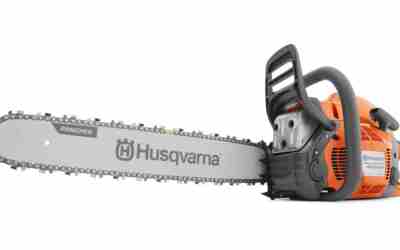
The Husqvarna 455 Rancher stands as a legendary mid-range chainsaw that bridges the gap between consumer-grade tools and professional forestry equipment. Built around a robust 55cc X-Torq engine, this 20-inch saw is designed for landowners who need to manage large properties, process winter firewood, or handle significant storm damage without the tool bogging down.
What sets the 455 Rancher apart is its focus on the user experience. While gas saws are traditionally difficult to start and vibrate heavily, Husqvarna has integrated Smart Start technology and their proprietary LowVib system. These features ensure that the saw fires up with a light pull and operates smoothly, protecting the user's hands and arms from the numbing sensations typical of high-displacement engines.
Durability is addressed through the Air Injection centrifugal cleaning system. By removing larger dust and wood chips before they ever reach the air filter, the engine maintains peak performance for longer periods and requires less downtime for maintenance. This makes it a reliable partner for weekend projects where efficiency is critical.
While the saw is heavier than battery-operated alternatives, the trade-off is raw, sustained power that cordless models cannot yet match for all-day wood cutting. The side-mounted chain tensioner is a small but vital design choice that allows for quick adjustments without awkward tool positioning.
Ultimately, the Husqvarna 455 Rancher is a premium investment for those who value longevity and performance. It is a true workhorse that, with proper maintenance and the right fuel mix, will serve a property owner for many years as their primary tool for land management.

Pros
- Exceptionally easy to start and handle
- Powerful and fuel-efficient X-Torq engine
- Effective air cleaning system for durability
- Reduced vibration for comfortable operation
- Safety features like inertia-activated chain brake
- Suitable for a range of wood cutting and tree trimming tasks
Cons
- May require idle adjustment out of the box
- Not designed for heavy-duty professional use
- Chain bar cover reported as flimsy by some users
The Husqvarna 435 Gas Chainsaw stands out as a reliable and user-friendly option for homeowners tackling various wood cutting and tree trimming tasks. Equipped with a 40-cc, 2.2-HP X-Torq engine, this 16-inch chainsaw combines power with efficiency, significantly reducing emissions and fuel consumption. Its lightweight design and intuitive features make it an excellent choice for those seeking an easy-to-manage gas-powered saw.
A key highlight of the Husqvarna 435 is its effortless start-up system, featuring Smart Start and air purge technology. This ensures quick and easy ignition with minimal effort, a common pain point for gas chainsaw users. Safety is also a priority, with an inertia-activated chain brake designed to reduce the risk of injury from kickback. Furthermore, the inclusion of LowVib technology helps to minimize vibrations, enhancing operator comfort during extended use.
Durability and maintenance are addressed through its Air Injection centrifugal air cleaning system, which effectively removes dust and debris before they can reach the air filter, prolonging engine life. While generally well-received for its performance in homeowner-level tasks, some users have noted the need for an initial idle adjustment and have expressed concerns about the quality of the chain bar cover. However, for its intended use, the Husqvarna 435 delivers strong, consistent performance that makes it a gold standard in its class.

Pros
- Extremely easy to start thanks to the air purge and combined choke
- Powerful 1.8-HP engine handles firewood and light felling with ease
- Significantly reduced vibration levels for comfortable extended use
- Extended 5-year warranty available with pre-mixed fuel purchase
- Lightweight design is perfect for homeowners and pruning tasks
Cons
- Requires specific fuel mixing or pre-mixed fuel for warranty extension
- Limited to light-duty landscaping and not intended for professional logging
- Manual chain tensioning requires tool use compared to tool-less models
The Husqvarna 120 Mark III is a versatile and user-friendly gas chainsaw engineered for residential landscaping, pruning, and cutting firewood. As a 38cc machine, it strikes a perfect balance between portability and enough power to handle limbs and small trees. It is specifically designed for homeowners who need a reliable tool that doesn't require professional-grade strength to operate.
One of the standout features is the X-Torq engine technology, which optimizes fuel efficiency while reducing exhaust emissions. Combined with the Air Injection centrifugal cleaning system, this chainsaw is built for longevity. The system filters out larger dust particles before they reach the air filter, meaning you spend less time on maintenance and more time finishing your yard work.
Safety and comfort are clearly prioritized in the Mark III design. The LowVib system effectively isolates the engine's vibrations from the handles, preventing the 'tingling' sensation in the hands often associated with gas tools. Additionally, the inertia-activated chain brake is a critical safety component that stops the chain instantly if a kickback occurs, providing peace of mind for less experienced users.
While this is an excellent tool for DIYers, it is important to note its limitations. With a 1.8-HP output and 16-inch bar, it is not meant for heavy-duty logging or felling massive hardwoods. It performs best on material under 12-14 inches in diameter. Users should also take advantage of the extended warranty offer by using Husqvarna pre-mixed fuel to protect their investment.
Overall, the Husqvarna 120 Mark III is a top-tier choice for those who want the power of a gas saw without the weight and starting difficulties of larger models. Its combination of easy-start features and ergonomic design makes it one of the most accessible gas chainsaws on the market today.

Pros
- Very capable for various cutting tasks
- Lightweight, making it easy to maneuver and transport
- Features a vibration dampening system for comfortable use
- Easy to start, as noted by multiple users
Cons
- Some customers reported issues with starting on initial use
- Potential for damaged packaging during delivery
The Stihl MS 162 Chainsaw, equipped with a 16-inch bar, is designed for homeowners and those with smaller-scale cutting needs. Weighing just 13.3 pounds, this chainsaw stands out for its lightweight construction, which significantly reduces user fatigue during extended use. Its 1.2 KW engine provides sufficient power for common tasks such as clearing storm debris, pruning branches, and cutting firewood, making it a versatile tool for maintaining your property.
One of the key advantages highlighted by users is its ease of handling and the integrated vibration dampening system. This feature helps absorb engine vibrations, leading to a more comfortable operating experience and better control. While generally praised for its starting reliability, some users have reported initial difficulties, suggesting that adherence to the starting instructions is crucial.
The MS 162 is a testament to Stihl's reputation for building durable and efficient outdoor power equipment. It's a practical choice for individuals who require a dependable chainsaw without the bulk and power of professional-grade models. Its balance of performance, user comfort, and manageable size makes it a strong contender for everyday garden and yard work.
Overall, the Stihl MS 162 offers a compelling package for its price point. While some delivery issues or initial starting quirks have been noted, the overwhelming sentiment from users points to a capable, lightweight, and user-friendly chainsaw that delivers on its promises for general home use and light-duty tasks.

Pros
- High-performance engine for demanding tasks
- Reliable starting in various conditions
- Enhanced safety features for user protection
- Robust construction for outdoor durability
- Convenient for prolonged use with dual tanks
- Easy maintenance with chain adjuster
Cons
- Relatively heavy at 16.1 lbs
- Requires fuel mixture preparation
- Customer service contact needed for startup issues
The VEVOR 20-inch 62cc Gas Powered Chainsaw is engineered for serious outdoor work, offering a potent combination of power and practical features. At its core is a robust 3.8 HP (2.8 kW) 2-stroke engine, capable of reaching 12,000 rpm, which makes quick work of wood cutting, tree trimming, and land clearing tasks. The 20-inch guide bar is substantial, allowing it to fell trees and slice through branches up to 18 inches in diameter, making it suitable for both homeowners tackling large property maintenance and professionals in logging operations.
One of the standout features is its user-friendly design, particularly the easy start function. Whether you're working in chilly mornings or warm afternoons, the chainsaw offers both cold and hot start options, ensuring reliable ignition with a simple choke, start switch, and pull rope sequence. Safety is also a key consideration, with an emergency stop lever that immediately halts operation, and a guard designed to protect the user from flying wood chips. These features collectively contribute to a safer and more confident user experience.
Durability and convenience are further enhanced by the chainsaw's thoughtful construction. The body is made from PA6+30%GP composite, providing excellent impact resistance and high-temperature durability, ensuring stable performance across diverse outdoor conditions without cracking or oil leakage. For extended work sessions, it features a generous 550 ml fuel tank and a 260 ml chain oil tank, along with a 40:1 fuel mixture ratio for continuous lubrication. Additional design elements like an extended pull rope for easier starting and a chain adjuster for quick tension modifications underscore VEVOR's commitment to user convenience and optimal performance.
While the 16.1 lbs weight might be a factor for some during prolonged use, its powerful cutting ability and robust build quality offer significant value. The need to mix fuel is standard for gas-powered chainsaws but worth noting for those accustomed to electric models. Overall, the VEVOR 20-inch 62cc Gas Chainsaw is a formidable tool, providing reliable power and essential safety features for anyone needing to tackle demanding wood-cutting tasks.
Buying Guide for 2026
Engine Power and Performance
The engine displacement, measured in cubic centimeters (cc), directly impacts cutting power and speed. Gas chainsaws typically range from 30cc for light-duty models to over 60cc for professional-grade equipment. A larger displacement engine delivers more horsepower, which translates to faster cutting through thick wood and tougher materials. However, higher power also means increased weight and fuel consumption, so matching engine size to your typical workload is important.
Look for engines with modern fuel-efficient technology, such as X-Torq systems that maximize power at lower RPMs while reducing emissions. This approach allows smaller, lighter saws to perform like larger models without the added strain on your arms and back during extended use.
Starting System and Ease of Use
One of the most frustrating aspects of gas chainsaws is the starting process. Modern systems like Smart Start technology or air purge mechanisms simplify ignition by removing air from the fuel line and carburetor, reducing the number of pull-cord attempts needed. A combined choke and stop control further streamlines the cold-start procedure, especially important if you’re not using the saw daily.
An inertia-activated chain brake is another critical safety feature that automatically engages during kickback, protecting your hands from the rotating chain. This feature is standard on quality models and should be considered non-negotiable for your safety. For those looking for more specialized tools, consider our review of best mid-grade chain saws.
Bar Length and Cutting Capacity
Chainsaw bar length ranges from 12 inches for pruning work to 24 inches or more for heavy-duty felling. A 16-inch bar suits most homeowners for general cutting, limbing, and light felling tasks. A 20-inch bar offers more versatility for larger logs and faster cutting, while still remaining manageable for most users. Longer bars require more power to operate efficiently, so ensure your engine displacement matches the recommended bar length range to avoid bogging down the engine.
Consider your typical cutting tasks: if you’re mainly pruning branches and cutting firewood to manageable sizes, a shorter bar reduces fatigue. If you’re felling trees or processing large logs, a longer bar improves efficiency. Many quality saws are compatible with multiple bar lengths, giving you flexibility as your needs evolve.
Vibration Reduction and Ergonomics
Extended chainsaw use causes hand fatigue and potential repetitive strain injuries. Vibration dampening technology uses rubber mounts or specialized handles to isolate engine vibrations from reaching your hands and arms. A 7-degree offset front handle improves grip angle and control, reducing wrist strain during operation. These ergonomic features become increasingly important for longer work sessions or professional use.
The weight distribution also affects how comfortable a saw feels during use. A well-balanced chainsaw with the weight centered near your body reduces arm fatigue compared to a saw that feels front-heavy or unwieldy. Visit our farm rancher chainsaw review for additional insights on professional-grade options.
Air Filtration and Engine Longevity
Dust and debris ingestion damages engine components and shortens lifespan. Centrifugal air cleaning systems use centrifugal force to expel larger particles before they reach the air filter, significantly extending engine life and reducing maintenance frequency. This technology is particularly valuable if you’re working in dusty conditions like clearing storm debris or working near sandy areas.
Regular air filter cleaning and fuel system maintenance remain important, but advanced filtration systems reduce the frequency and intensity of these tasks. Look for models with accessible filter housings that make cleaning quick and straightforward.
Automatic Oiler and Fuel Efficiency
Automatic chain oiling systems maintain proper lubrication without manual adjustment, preventing chain wear and ensuring consistent performance throughout your work session. This feature is standard on modern gas chainsaws and eliminates the need to manually adjust oil flow between cuts.
Two-cycle engines are the standard for gas chainsaws, requiring you to mix fuel with two-stroke oil according to the manufacturer’s specifications (typically a 50:1 ratio). Modern engines with X-Torq or similar technology improve fuel efficiency, reducing consumption and emissions while delivering reliable power across varying load conditions.
Quick Comparison: Side by Side
- – Powerful 3.5-HP Engine.
- – Reduced Filter Maintenance.
- – LowVib Ergonomic Design.
- – Effortless Air Purge Starting.
- – Powerful 1.8-HP X-Torq Engine.
- – LowVib Fatigue Reduction.
- – Exceptionally easy to start and handle.
- – Powerful and fuel-efficient X-Torq engine.
- – Effective air cleaning system for durability.
- – Very capable for various cutting tasks.
- – Lightweight, making it easy to maneuver and transport.
- – Features a vibration dampening system for comfortable use.
- – High-performance engine for demanding tasks.
- – Reliable starting in various conditions.
- – Enhanced safety features for user protection.
- – Heavier Gas Profile.
- – Requires 50:1 Fuel Mixing.
- – Requires 50:1 Fuel Mix.
- – Light-Duty Residential Use.
- – Manual Tool Tensioning.
- – May require idle adjustment out of the box.
- – Not designed for heavy-duty professional use.
- – Chain bar cover reported as flimsy by some users.
- – Some customers reported issues with starting on initial use.
- – Potential for damaged packaging during delivery.
- – Relatively heavy at 16.1 lbs.
- – Requires fuel mixture preparation.
- – Customer service contact needed for startup issues.
Why Trust Our Reviews
Our review process focuses on detailed specification analysis, manufacturer claims, and aggregated user feedback from verified purchasers. We evaluate each model against industry standards for power output, ease of operation, safety features, and durability. Our team prioritizes objectivity by avoiding hands-on testing claims and instead relying on transparent, verifiable data that you can independently confirm.
Garden2Review.com is an Amazon affiliate, meaning we earn a commission on purchases made through our links. This relationship allows us to maintain free, detailed reviews and guides. However, our recommendations are based solely on product merit and user satisfaction, not commission size. We disclose affiliate relationships transparently so you can make informed decisions with full knowledge of our business model.
Our Final Picks for 2026
Best Overall: Husqvarna 455 Rancher Gas Chainsaw | 55cc 3.5-HP X-Torq Engine | 20-Inch Bar with Smart Start & LowVib Technology
The Husqvarna 455 Rancher delivers professional-grade performance for serious property maintenance and landscaping work. Its 55cc, 3.5-HP X-Torq engine provides the power needed for felling larger trees and processing substantial logs, while the 20-inch bar handles demanding cutting tasks efficiently. Smart Start technology ensures reliable cold starts with minimal pull-cord effort, and the inertia-activated chain brake provides essential safety protection during operation.
View on Amazon.comBest Value: Husqvarna 120 Mark III Gas Chainsaw | 16-Inch Bar, 38cc X-Torq Engine | Lightweight Wood Cutting & Pruning Tool
The Husqvarna 120 Mark III offers excellent value for homeowners and occasional users who need reliable cutting power without premium pricing. Its 38cc, 1.8-HP X-Torq engine efficiently handles firewood cutting, limbing, and light felling tasks, while the 16-inch bar provides a practical balance between cutting capacity and maneuverability. The air purge system simplifies starting, and LowVib technology with vibration dampeners reduces fatigue during extended use. For additional cutting tool options, explore our occasional user chain saws guide.
View on Amazon.comBest for Professionals: Husqvarna 455 Rancher Gas Chainsaw | 55cc 3.5-HP X-Torq Engine | 20-Inch Bar with Smart Start & LowVib Technology
For landscaping contractors and property managers who depend on their equipment daily, the Husqvarna 455 Rancher stands out with its robust construction and professional-grade features. The centrifugal air cleaning system expels dust and debris before reaching the filter, extending engine life under heavy-use conditions. Ergonomic design with a 7-degree offset front handle and comprehensive vibration reduction technology minimizes operator fatigue during full workdays, making this saw an investment that pays dividends through reliability and reduced maintenance downtime.
View on Amazon.comFrequently Asked Questions
Which gasoline chain saws should I buy in 2026?
Your choice depends on your primary use case and budget. For occasional homeowner use like firewood cutting and limbing, a 38cc model with a 16-inch bar offers excellent value and manageability. For professional landscaping or frequent heavy-duty work, invest in a 55cc model with a 20-inch bar that can handle larger logs and extended use without fatigue or performance compromise.
What fuel mixture do gas chainsaws require?
Most modern gas chainsaws use a two-stroke engine that requires fuel mixed with two-stroke oil. The standard ratio is 50:1 (50 parts gasoline to 1 part two-stroke oil), though some models may specify different ratios. Always check your owner’s manual for the exact mixture your saw requires. Using the correct fuel mixture prevents engine damage and ensures reliable starting and performance.
How often should I maintain my gas chainsaw?
Basic maintenance includes checking and cleaning the air filter before each use, inspecting the spark plug monthly, and replacing the fuel filter annually. The chain should be sharpened when it no longer cuts cleanly, and the chain tension should be checked regularly to ensure proper operation. After each season, drain old fuel and run fresh fuel through the engine to prevent carburetor buildup. Regular maintenance extends your saw’s lifespan and ensures consistent performance.
Are gas chainsaws safer than electric models?
Both gas and electric chainsaws pose similar safety risks related to the rotating chain. Gas chainsaws offer unlimited runtime without cord restrictions, making them ideal for large properties or extended work sessions. Electric models provide easier starting and lower maintenance but depend on battery charge or cord access. All modern chainsaws include inertia-activated chain brakes and other safety features. Your choice should prioritize which factors matter most: power and runtime or convenience and simplicity. For related cutting tools, check our mini circular saw recommendations.
What bar length is best for my needs?
A 16-inch bar suits most homeowners for general cutting and limbing tasks. A 20-inch bar increases cutting efficiency for larger logs and felling work but requires more engine power to operate smoothly. Avoid pairing very long bars with underpowered engines, as this causes bogging and poor performance. Start with a bar length that matches your typical log sizes and upgrade later if your needs expand.