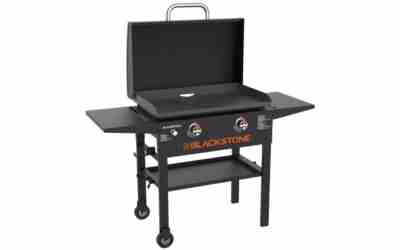
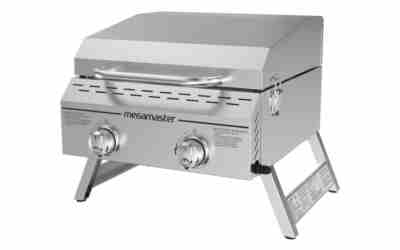
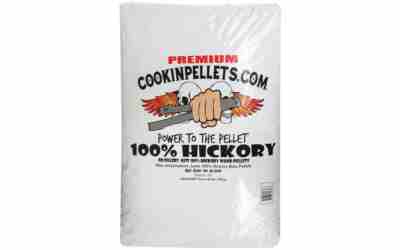
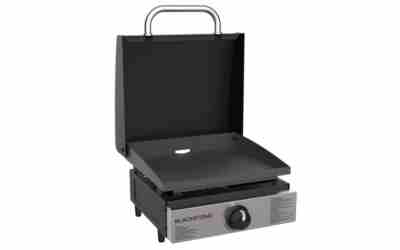
The smartest way to approach black friday grill deals is to pick your fuel type, size and budget before any sale starts, then compare only the models on your shortlist. Gas, pellet and charcoal grills are all fair game. This guide covers what to check, what to skip and where to start.
Do this before the sales start
The best way to win on a grill deal is to decide what you want before any price drops. Shoppers who browse first tend to grab whatever has the biggest banner, and that is how people end up with an undersized grill or one with thin, flimsy parts. Spend the weeks beforehand on four things.
- Pick your fuel. Propane, natural gas, charcoal, pellet and electric grills cook differently and have different running costs and hookup needs.
- Set a firm ceiling. Decide your maximum total spend, including a cover, fuel, tools and any delivery or assembly fees.
- Measure your space. Note the footprint with the lid open and side shelves up, plus the clearance to siding, railings and overhangs.
- Shortlist two or three models. Write down the exact model numbers. Retailers sometimes sell special versions of a familiar grill with different burners, grates or finishes.
If you want a place to start, our guide to the best grills under 500 dollars covers solid options for shoppers who want a firm budget cap without giving up the basics.
Which grill types are worth waiting for
Big, heavy, widely stocked grills usually give you the most room to compare, because many retailers carry the same models. Use this table to match the type to how you actually cook.
| Type | Good fit if you… | Check before buying |
|---|---|---|
| Propane gas | want fast startup and easy weeknight cooking | Burner count, grate material, lid and firebox build, whether a tank is included |
| Natural gas | have a gas line at your patio | Whether it is a natural gas model or needs a conversion kit |
| Pellet | like smoky flavor and set-and-forget cooking | Hopper size, temperature range, controller, power requirements |
| Charcoal | want high-heat searing and a lower cost of entry | Vent control, ash removal, steel thickness, lid fit |
| Electric | live where open flame is restricted | Wattage, cooking area, outlet and circuit needs |
Gas grills
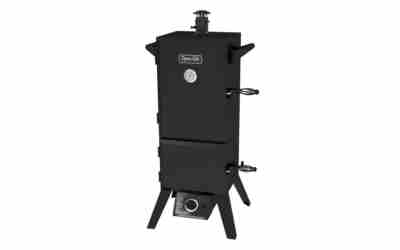
Gas is the easiest all-around choice for most households. Our rundown of the best propane grills explains what separates a durable model from one that rusts out in a few seasons.
Pellet grills
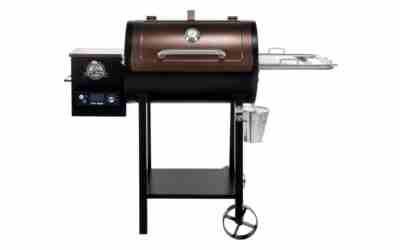
Pellet grills can smoke, roast and grill, but they are electronic appliances with augers and controllers. That makes warranty terms and customer support especially important. See our picks for the best wood pellet grills before you commit.
Charcoal grills
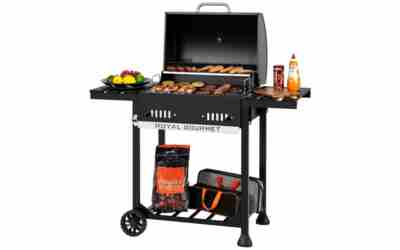
Charcoal rewards a little patience and costs less up front. If you want that classic flavor, start with the best charcoal barbecue grills.
Specs that matter more than the sticker
Grill listings are full of impressive numbers. A few of them tell you something real, and a few do not.
Cooking area
Look at the primary cooking area, not the total that includes warming racks. As a rough guide, 400 to 500 square inches of primary space handles a family of four comfortably. Smaller patios and balconies are better served by a compact model, so read the notes on the best small grills if space is tight.
Burners and BTUs
BTU ratings alone are misleading. A better check is BTUs relative to the primary cooking area. Many well-built gas grills land somewhere around 80 to 100 BTUs per square inch, but this varies by design. Even heat across the grates matters more than a big headline number, and that comes from good burner design and a tight lid.
Build quality
- Metal and finish: Thicker lids and firebox walls hold heat better and resist warping. Stainless steel grades vary, so check what the manufacturer actually specifies.
- Grates: Porcelain-coated cast iron and stainless rods are common. Both can work well if they are thick and well finished.
- Stability: Shake the grill in a store if you can. Wobbly carts and thin shelves are warning signs.
- Grease management: A removable tray that is easy to reach makes cleanup faster and reduces flare-up risk.
- Warranty: Compare coverage by part, such as burners, firebox, lid and electronics. Terms differ widely between brands.
Deal red flags to watch for
A bigger banner does not mean a better grill. Watch for these common traps while you shop.
- Limited-run models. Some grills are made specifically for big shopping events with cheaper parts than the standard version. Match the model number against the manufacturer’s own product page.
- Inflated reference prices. A crossed-out price is only meaningful if the grill actually sold at that price. Compare the same model number across several retailers and use a price-history tracker if one is available.
- Bundles you do not need. A cover, side burner or accessory set is only a bargain if you would have bought it anyway.
- Clearance on discontinued models. These can be fine, but check that replacement parts and support are still available.
- Unclear return rules. Large, heavy items can have restocking fees, pickup requirements or shorter return windows. Read the policy before you check out.
- Shipping and assembly. Freight delivery may be curbside only. Assembly can take a couple of hours and a helper, so plan for that.
If you prefer to shop from a trusted shortlist, our best Weber grills page is a useful comparison point for gas and charcoal models from a widely supported brand.
Safety and setup rules that apply to every grill
A good price does not change the safety basics. Always follow your owner’s manual, and check local fire codes, HOA rules and apartment or landlord restrictions before buying, since they vary by location.
- Use grills outdoors only. Never run a grill in a garage, porch with walls, or under a low overhang, and keep it a safe distance from siding, fences and railings as the manual directs.
- Leak-test propane connections. Brush soapy water on the hose and fittings, open the valve and look for growing bubbles. Do this at the start of each season and after changing a tank.
- Store cylinders upright and outdoors. Do not keep spare propane tanks in the house, garage or in hot sun.
- Hire a pro for natural gas lines. Plumbing a gas line often requires a licensed professional and sometimes a permit.
- Plan power for pellet and electric grills. Use a properly protected outdoor outlet and avoid light-duty extension cords. Check the manual for requirements.
- Keep a fire extinguisher or a bucket of sand nearby and never leave a lit grill unattended.
Budget for the extras, then buy
The grill is rarely the only cost. Before you decide that a deal is good, add up what you will need to cook safely and keep the grill in good shape.
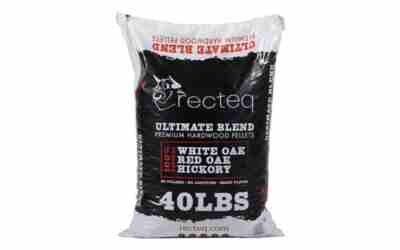
- Fuel: a spare propane tank, bags of charcoal or wood pellets.
- A cover: a fitted cover protects finishes and electronics from weather.
- A reliable thermometer: built-in lid gauges can be off, so an instant-read probe helps with food safety.
- Cleaning tools: consider bristle-free options, since loose wire bristles from worn brushes can end up in food. Inspect any brush you own before use.
- Long-handled tongs and a spatula to keep hands away from heat.
Once you have a shortlist, a final check takes a few minutes: confirm the exact model number, compare total cost with delivery, read the return policy, and make sure the warranty is registered after purchase. If you are still deciding between styles, browse our best outdoor grills overview and narrow down from there.
Frequently Asked Questions
What types of grills are worth buying on Black Friday?
Full-size gas, pellet and charcoal grills from established brands are the most practical picks because many retailers carry them and you can compare easily. Pick the fuel type first, then confirm the exact model number, warranty and total cost with delivery.
Should I wait for Black Friday to buy a grill?
Only if you can do without a grill until then and you already know what you want. If your current grill is unsafe or you need one for an event, buy when you need it. Sales are never guaranteed for a specific model.
How can I tell if a grill deal is real?
Compare the exact model number at several retailers and check the manufacturer’s product page. Make sure it is not a special version with cheaper parts. A price-history tracker can show whether the reference price was ever real.
What should I check before buying a gas grill?
Check primary cooking area, burner count, grate and firebox materials, lid fit, grease tray access and warranty by part. Also confirm whether the grill is propane or natural gas and whether a tank or conversion kit is included.