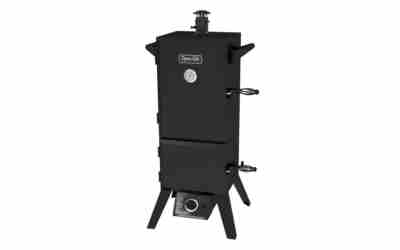
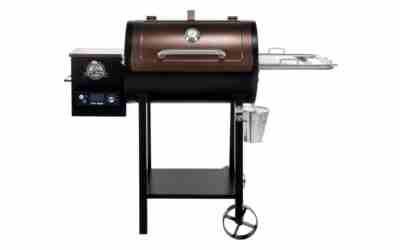
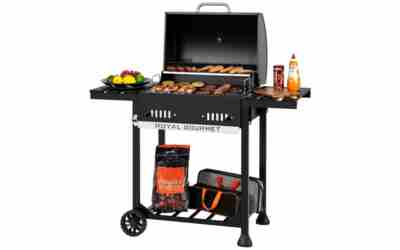
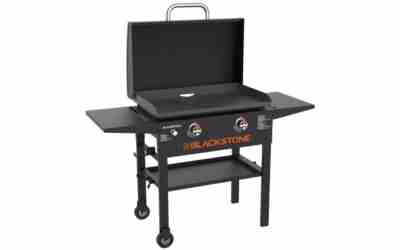
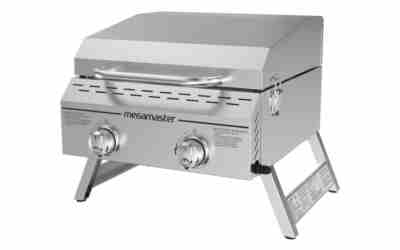
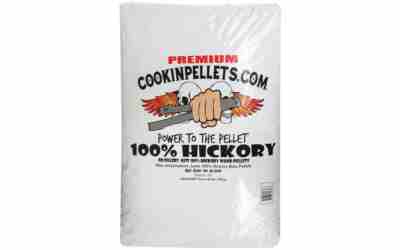
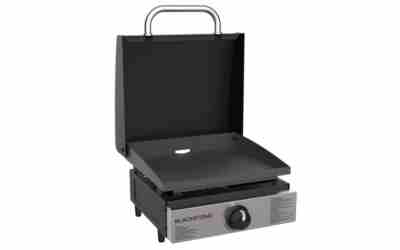
The best black friday smoker deals go to shoppers who settle on a smoker type, size and budget before the sales begin. Choose pellet for set-and-forget cooking, charcoal for flavor and value, electric for simplicity, or an offset for traditional barbecue, then judge each model with the checklist below.
Pick the smoker type before you shop
A discount only helps if the smoker fits how you cook. Decide on a type first, because each one asks something different of you in time, attention and cleanup.
| Type | Best for | Trade-off |
|---|---|---|
| Pellet | Hands-off cooking, steady temperatures | Needs electricity and dry pellets; smoke flavor is milder |
| Charcoal (vertical or kettle-style) | Strong flavor, low cost of entry | You manage vents and fuel |
| Electric | Beginners, patios, small spaces | Lighter smoke flavor; many have a lower top temperature |
| Offset | Traditional barbecue, large cooks | Steep learning curve; constant fire tending |
| Gravity-fed | Long cooks with charcoal flavor | Larger and heavier; usually needs power for the fan |
If you are not sure, start with how often you plan to cook. Weekly smokers usually appreciate automation. Weekend hobbyists often enjoy the tending that charcoal and offset models require.
Features that matter more than the discount
Marketing pages highlight cooking area and a big number on the box. These details tend to decide whether you are still happy a year later:
- Body construction: Thicker steel and tight door seals hold temperature better and use less fuel. Thin metal and gaps cause swings, especially in cold or windy weather. Specs vary by model, so check the stated gauge or thickness.
- Temperature control: Look for a reliable built-in thermometer, or plan to buy a separate probe. Built-in dome gauges are often off by a noticeable margin.
- Usable cooking space: Count the real grate area, and check whether two racks can fit a full packer brisket or a few pork shoulders.
- Ash and grease management: A removable ash pan and an accessible grease tray make cleanup far easier.
- Warranty and parts: Check what is covered, for how long, and whether replacement parts such as igniters, controllers and grates are easy to get.
- Weight and assembly: Heavy smokers can be hard to move. Confirm whether the model ships assembled or in many boxes.
Write down your must-haves and treat everything else as a bonus. This keeps a flashy accessory bundle from pushing you toward the wrong smoker.
Pellet and electric smokers: what to check
Pellet and electric smokers are popular holiday purchases because they hold a set temperature with little effort. They are also where specifications differ the most from model to model.
For pellet models
- Check the temperature range and whether the controller holds steady in cold weather.
- Look at the hopper size, since a larger hopper means fewer refills on a long cook.
- Confirm how pellets are cleared from the hopper when you want to switch flavors.
- Ask whether the app and wifi features work reliably, or if you will rarely use them.
Our roundup of the best pellet grills and smokers explains how the main designs compare. Fuel matters too, so see the guide to the best pellets for pellet smokers before you stock up.
For electric models
- Check the maximum temperature. Many electric smokers top out lower than pellet or charcoal units, which affects how crisp poultry skin gets.
- Look for a door that lets you add wood chips without opening the whole cabinet.
- Make sure the power cord length and your outdoor outlet work together without a thin extension cord.
Charcoal and offset smokers for beginners
Charcoal smokers reward patience and tend to give the most traditional flavor for the money. They are a good fit if you do not mind watching vents and thermometers for a few cooks while you learn.
For a first smoker, a vertical charcoal cabinet or a water smoker is usually more forgiving than a large offset. Offsets need a well-managed fire, good airflow and a feel for the firebox, so a thin, leaky budget offset can be frustrating no matter how good the discount looks.
If you are new to all of this, start with our list of the best smokers for beginners. It covers which designs are easiest to learn on and what to expect from your first few cooks.
Whatever you buy, learn two numbers. Brisket and pork shoulder are typically done in the range of 195 to 205 degrees F internal temperature, and poultry needs to reach 165 degrees F. Use a quality instant-read thermometer for both.
How to spot a real deal without chasing hype
Holiday shopping creates urgency, and urgency leads to bad purchases. Use a simple process to stay in control.
- Build a shortlist now. Pick two or three models and save the exact model numbers. Retailers often sell slightly different versions of the same name.
- Track the regular price. Use a price-tracking tool or browser history to see what a model normally costs, so a bundle or markdown can be judged against real history.
- Compare what is included. A cover, probes, a side shelf or a starter bag of fuel can matter more than a small difference in the headline figure.
- Read return and shipping terms. Large smokers are heavy and expensive to ship back. Confirm the return window, restocking fees and delivery or pickup options.
- Check the seller. Buy from the manufacturer or an authorized retailer so the warranty is valid.
- Skip unknown brands with no support. A cheap smoker with no parts or service is not a bargain.
If you are also shopping for a grill, see our notes on Black Friday grill deals worth waiting for, since many of the same timing and return tips apply.
Safety and setup notes before the first cook
A new smoker is a fire appliance, so set it up with care. Always follow the manual for your model, because clearances and electrical requirements differ.
- Use it outdoors only. Smokers produce carbon monoxide. Never run one in a garage, on a covered porch with poor airflow, or near open windows.
- Keep distance from combustibles. Manufacturers specify minimum clearances from walls, fences, eaves and decks. Local fire codes and HOA rules can add limits, especially in apartments and condos.
- Use a stable, level, non-flammable surface. A heavy smoker tipping over with hot coals is a serious hazard.
- Plug electric and pellet units into a GFCI-protected outdoor outlet. Keep cords off wet ground and away from hot surfaces.
- Season it first. Follow the burn-in instructions to remove manufacturing oils before cooking food.
- Keep a fire extinguisher nearby and dispose of ash only after it is fully cold, in a metal container.
- Store pellets dry. Damp pellets swell and can jam the auger.
Common mistakes to avoid
Most regrets come from the same few errors, so it helps to know them ahead of time.
- Buying too small. Cooking for a crowd on a compact smoker means cooking in batches. Think about your biggest typical cook, not your smallest.
- Buying too big. A huge smoker burns more fuel and takes up patio space you may want for other things.
- Ignoring fuel costs. Pellets, lump charcoal and wood chunks add up over a season. Factor in what you will burn.
- Forgetting accessories. Budget for a good thermometer, heat-resistant gloves, a cover and a grill brush.
- Treating a discount as the reason to buy. If the smoker does not match your skill, space and cooking habits, a lower price will not fix it.
Before you check out, compare your shortlist against the reviewed models in our guides, confirm the details above, and only then decide whether the offer is worth taking.
Frequently Asked Questions
Is Black Friday a good time to buy a smoker?
It can be, because retailers often feature smokers, accessories and bundles. But availability and offers vary by store and model. Research your shortlist ahead of time, track normal pricing, and buy only a model that fits your cooking style and space.
What type of smoker is best for a beginner?
Electric and pellet smokers are the easiest to learn because they manage temperature for you. Vertical charcoal smokers are a good lower-effort step into traditional flavor. Large offset smokers take the most practice and are usually better after you have some experience.
Should I buy a smoker bundle with accessories?
Only if you would actually use the extras. A cover, probes and tools are useful, but a bundle is not a good deal if the smoker itself is wrong for you. Compare what is included against buying the pieces separately.
How far should a smoker be from my house?
It depends on the model and local code. Many manufacturers call for several feet of clearance from walls, fences and overhangs, and some require more. Check your manual, your local fire rules and any HOA restrictions, and never operate a smoker indoors or in a garage.