A pellet grill’s control board and auger only handle the fuel side – the firepot, drip tray, and grease bucket are still on you, and they’re also the parts most likely to cause a fire if they’re ignored. Ash buildup and grease residue are the two things that turn a routine cook into a real safety problem, and both are simple to stay ahead of once you know the actual maintenance clock.
Ash Volume Is the Real Maintenance Clock, Not the Season
Most owners clean the firepot “once a season” because that’s what a lot of general advice says, but ash accumulates based on how much you cook, not on the calendar. A household that grills twice a week burns through pellets far faster than one that fires up once a month, so the two households need completely different cleaning intervals even if they bought the same grill on the same day.
A better rule: vacuum the firepot every 3-5 bags of pellets burned through, not every 3-5 months. Ash insulates the firepot from the igniter and blocks airflow through the burn pot’s holes, which is why a grill that’s overdue for cleaning starts running hotter or cooler than the set temperature, or takes longer to reach temp on startup. If your grill has been drifting on temperature lately, check the ash level before adjusting anything else.
How to Clean the Firepot and Ash
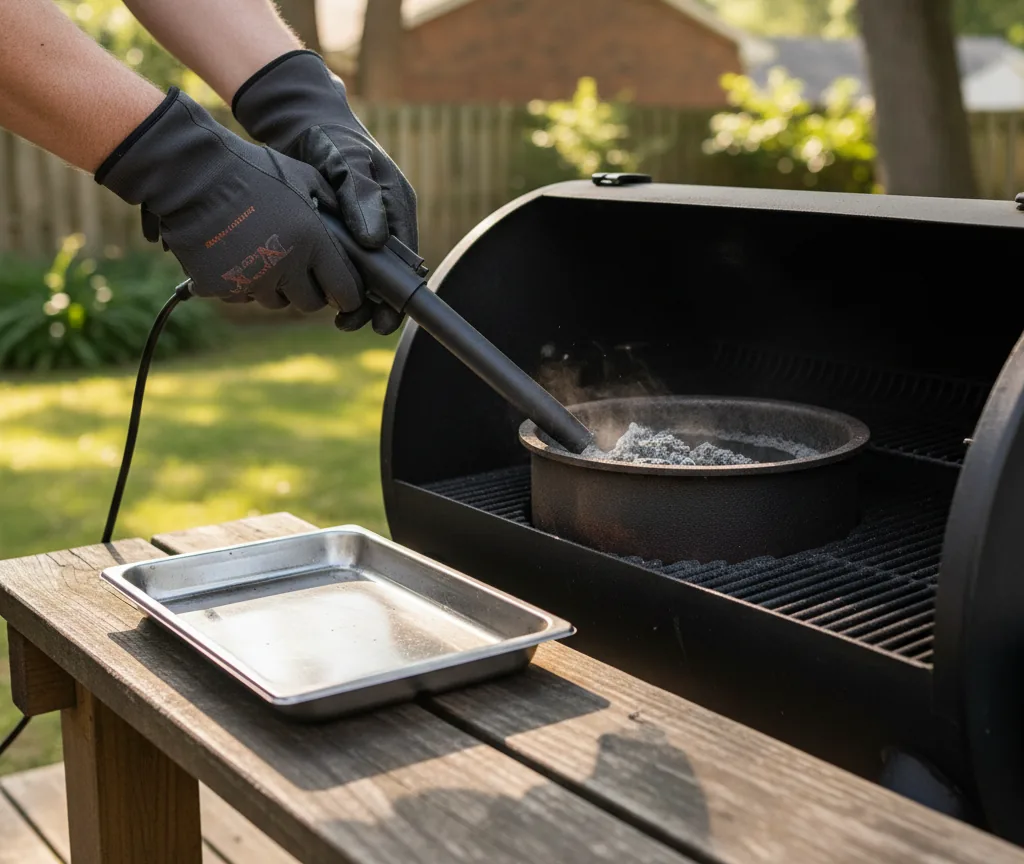
Always start cold – a firepot can hold heat for hours after the last cook, and disturbing warm ash kicks up fine dust that’s unpleasant to breathe and can still hold enough heat to smolder. Once the grill is fully cool, usually the next morning after a cook:
- Unplug the grill and remove the grates, drip tray, and heat baffle so the firepot is fully exposed.
- Lift the firepot out if your model allows it, and tap it upside down over a trash bag to knock out loose ash.
- Use a shop vacuum (never a household vacuum – fine ash and any live embers are a fire and appliance-damage risk) to pull remaining ash from the pot and the hopper’s auger feed area.
- Check the firepot’s air holes for clogs; clear them with a small brush or pick if they’re packed with ash residue.
- Wipe the interior floor of the grill body where ash and grease commonly pool before reinstalling the firepot, baffle, and drip tray.
Skip cleaning the auger tube itself unless the manual says otherwise – most pellet grills are designed so pellets don’t sit in the tube long enough to accumulate meaningfully, and probing it can dislodge feed mechanisms that are easy to knock out of alignment.
The Grease-Fire Risk Nobody Warns You About
Ash buildup causes performance problems, but grease buildup is what actually starts fires. Every cook drips fat down through the grates into a drip tray that funnels it toward a grease bucket or cup underneath the grill. That tray and bucket are supposed to carry grease safely away from the firepot – but a tray that’s clogged with hardened residue stops draining, and grease starts pooling on the tray itself instead of running off.
The actual mechanism is straightforward: pooled grease sitting directly above or near a hot firepot during a high-temperature cook (searing, or anything above roughly 400°F) is what ignites, not the pellets themselves. A grease fire in a pellet grill usually traces back to a tray that hasn’t been emptied in weeks, not a fuel problem. If you sear steaks or run high-heat cooks regularly, the tray needs checking far more often than the “clean it seasonally” advice implies.
See our picks: best pellet grills and smokers and best wood pellet grills.
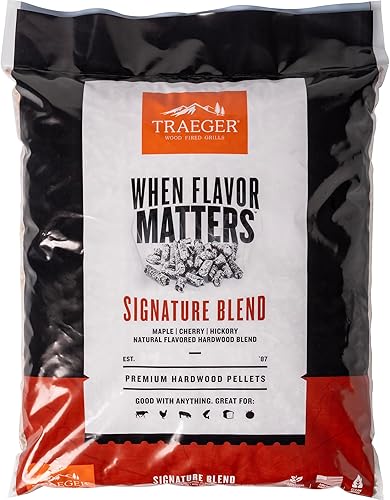
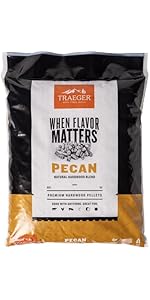
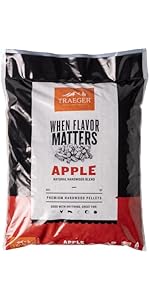
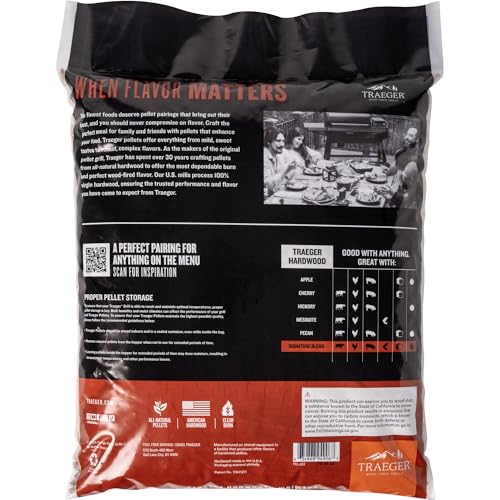
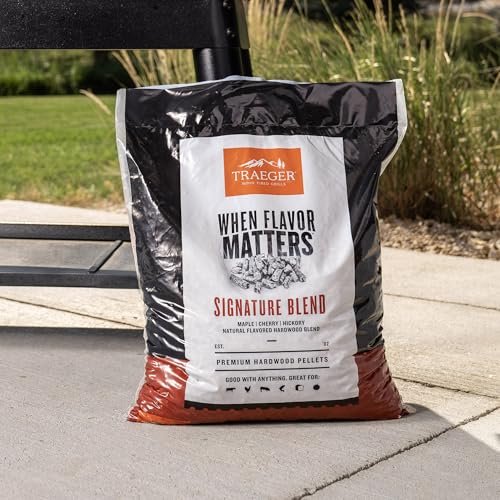
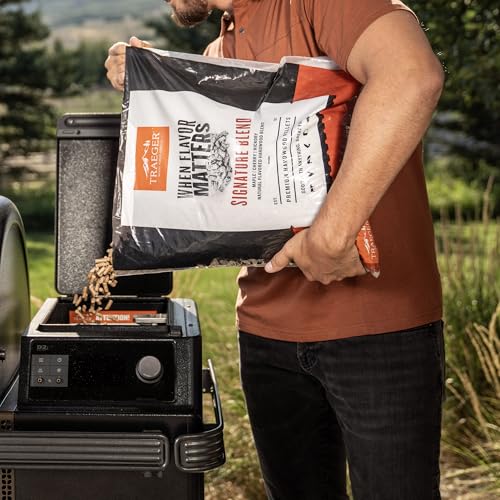
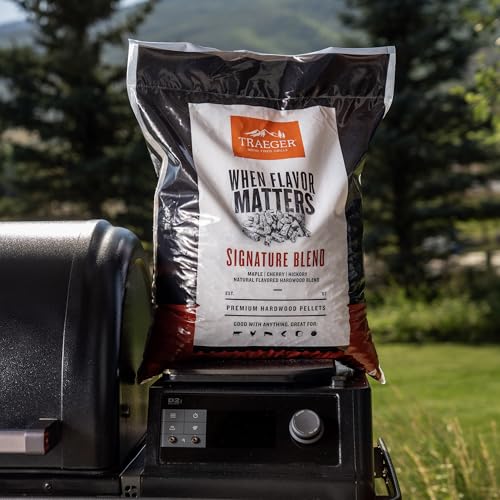
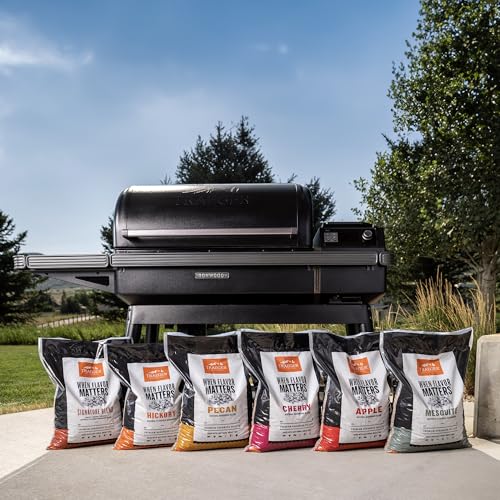
Traeger Signature Blend Wood Pellets 18 lb






Cleaning the Drip Tray and Grease Bucket
Line the grease bucket with foil or a disposable liner if your model supports it, and empty it after every 2-3 cooks rather than waiting until it’s visibly full – grease left sitting for weeks hardens into a waxy layer that’s far harder to scrape out than fresh grease is to wipe. Most bucket liners just lift and toss; unlined buckets need hot water and dish soap to break down hardened fat.
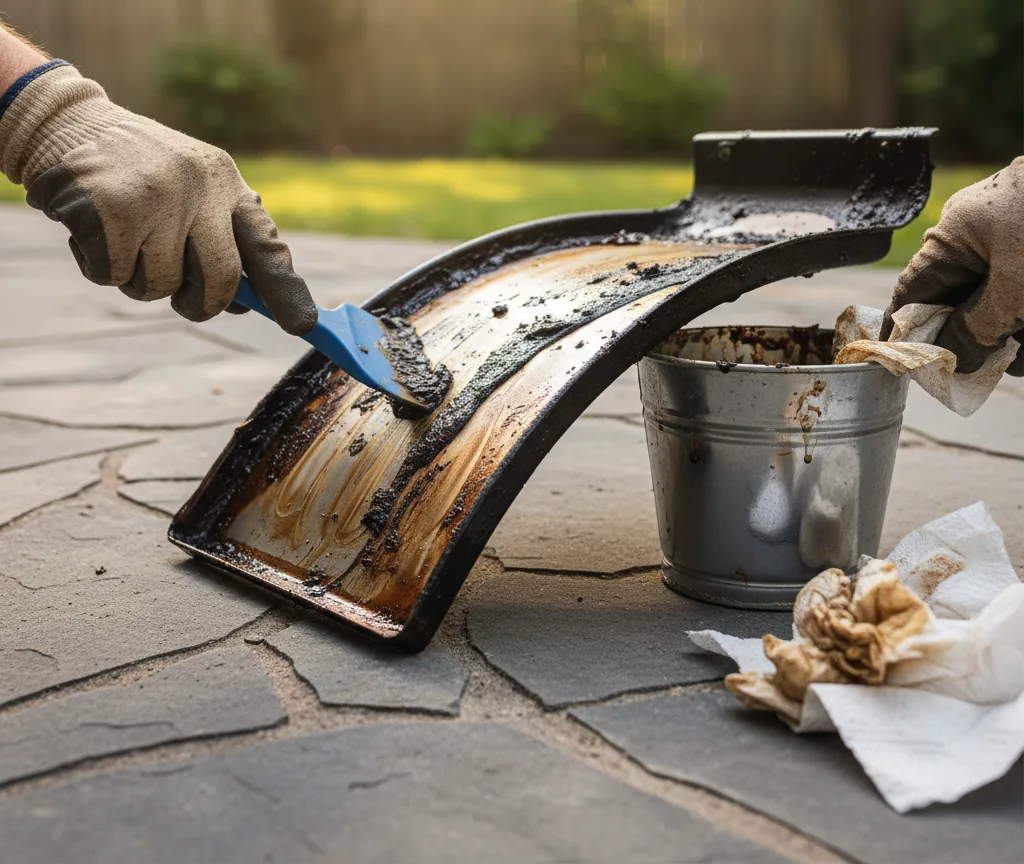
The drip tray itself usually lifts straight out. Scrape off caked residue with a plastic putty knife before washing – metal scrapers can gouge the tray’s coating and give grease more surface texture to stick to next time. If the tray is foil-lined, replacing the foil after each cook is faster than scrubbing and keeps the tray itself cleaner long-term.
Cleaning Grates and Interior Walls
Grates get their own maintenance cycle separate from ash and grease: a quick brush-down after each cook while they’re still warm keeps carbon from building into a hard crust. The interior walls and lid rarely need more than an occasional wipe-down with a damp cloth once cooled, mainly to keep smoke residue from turning sticky and attracting more grease film over time.
A Simple Cleaning Schedule
After every cook: brush the grates. Every 2-3 cooks: empty the grease bucket and check the drip tray for pooling. Every 3-5 bags of pellets burned: vacuum the firepot and check the air holes. That schedule scales naturally with how much you actually grill, instead of leaving heavy users under-cleaned and occasional users doing unnecessary teardowns on a fixed calendar.
Frequently Asked Questions
How often should I vacuum ash out of a pellet grill?
Every 3-5 bags of pellets burned through is a better rule than a fixed seasonal schedule, since ash accumulates based on how much you cook, not the calendar. Ash blocking the firepot’s air holes is a common cause of temperature drift.
What actually causes a pellet grill grease fire?
Grease pooling in a clogged drip tray near the firepot during a high-heat cook, not the wood pellets themselves. A tray that has stopped draining because of hardened residue buildup is the usual trigger, so emptying the grease bucket every 2-3 cooks matters more than most owners realize.
How do I clean a Traeger drip tray?
Lift the tray out once the grill is cool, scrape off caked residue with a plastic putty knife rather than metal, then wash with hot water and dish soap. Foil-lining the tray after each cook cuts down on scrubbing and keeps grease from building a hard layer.