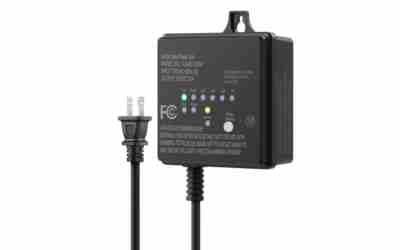
Solar landscape lights cost a few dollars each and need no wiring. Low-voltage systems cost hundreds and need a transformer and buried cable. On paper solar wins easily, and that is exactly how most of them get sold. What the listings leave out is how each system behaves in January, in year three, and on a 40-foot oak. Here is the honest comparison.
What Solar Sellers Skip: Winter and Year Two
A solar stake light is a tiny panel, a small rechargeable battery and an LED. In June, with long sunny days, most of them run from dusk until midnight or later. In December, in most of the country, the same light might get four hours of weak sun and run for two or three hours before fading. Run times printed on the box are almost always measured in ideal summer sun.
The second surprise is the battery. The small rechargeable cells in budget lights usually lose noticeable capacity after one or two seasons. Some lights let you swap the battery for a couple of dollars; many sealed ones don’t, so the whole light gets replaced. Brightness is the third catch: typical solar path lights put out somewhere around 5 to 50 lumens. That is fine for marking the edge of a walkway, but not for lighting it so you can see a step.
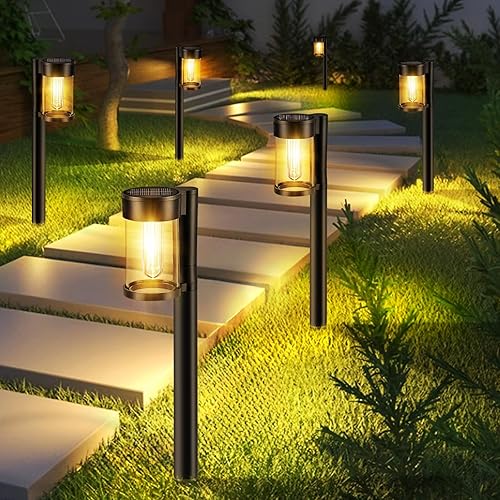
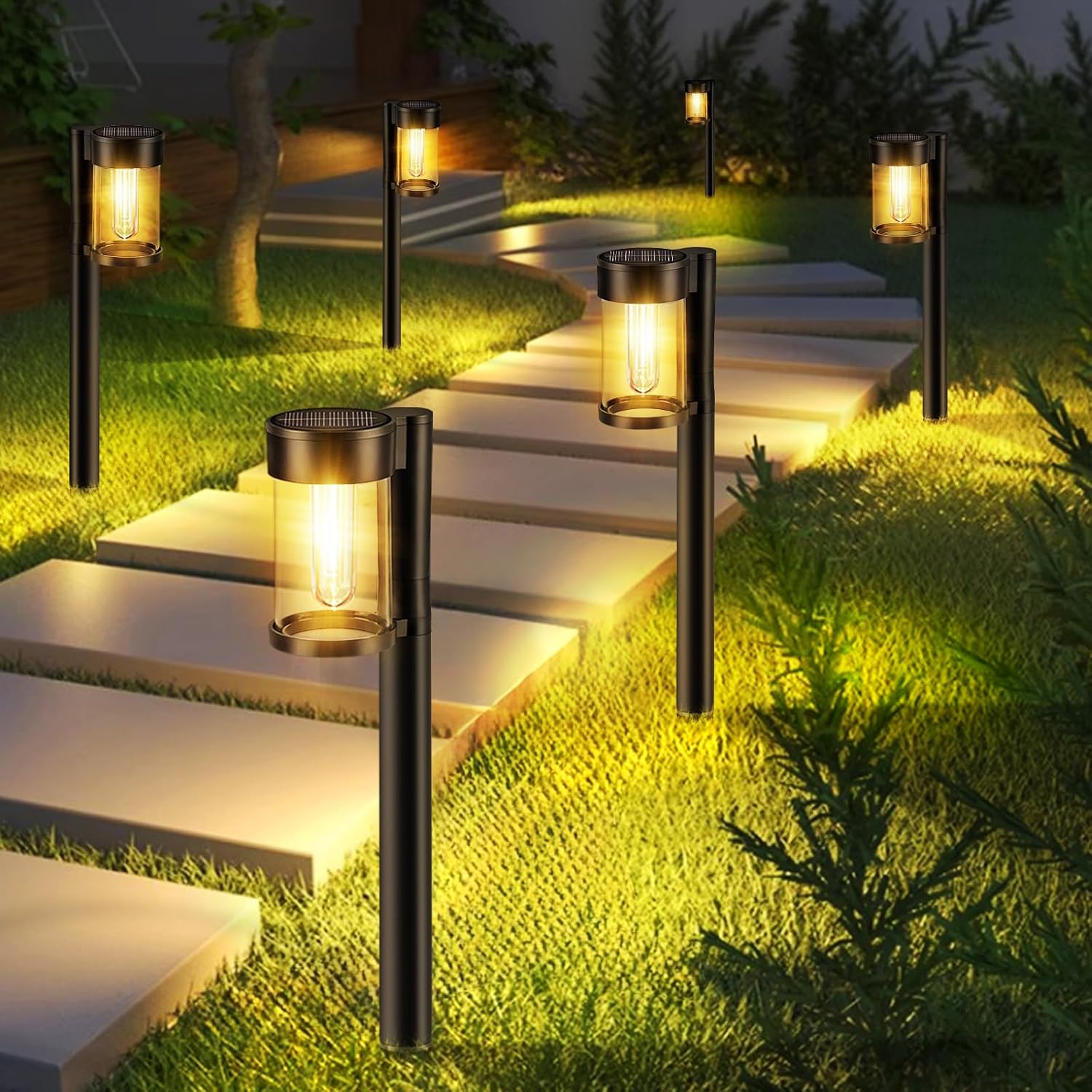
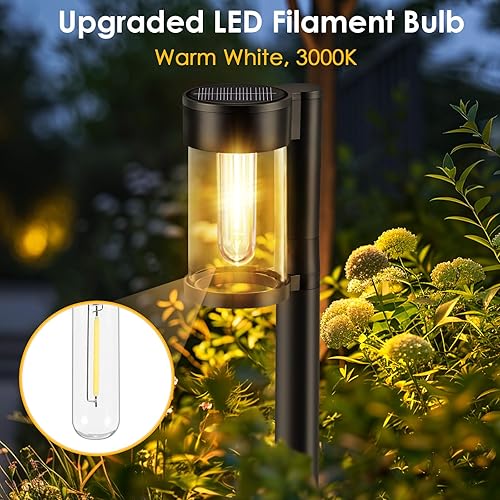
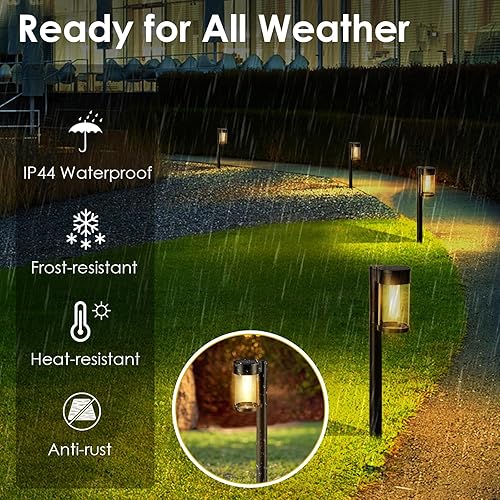
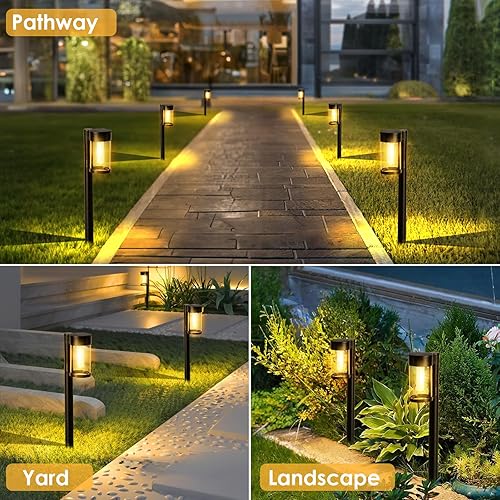
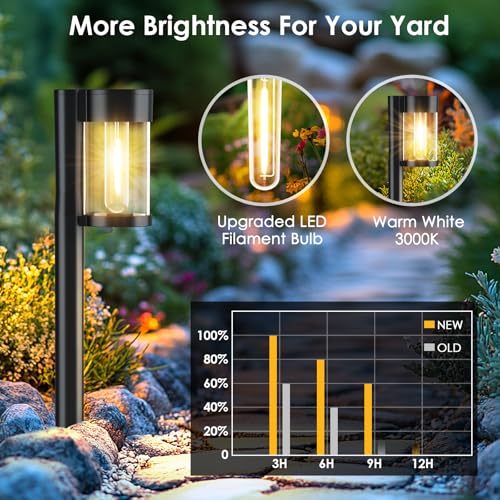
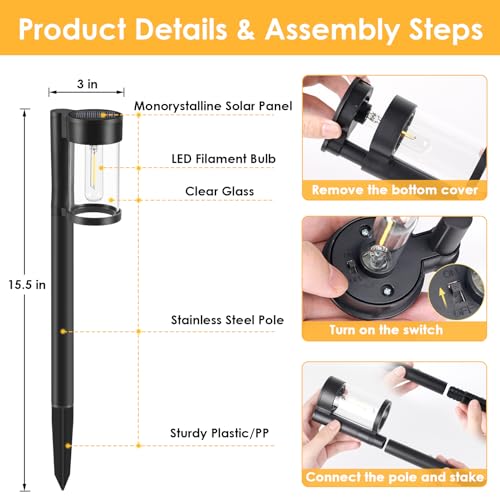
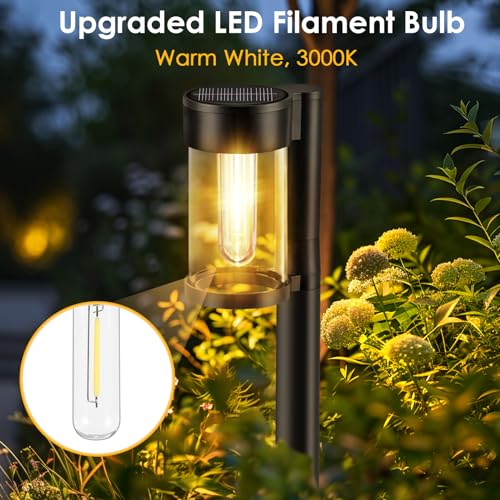
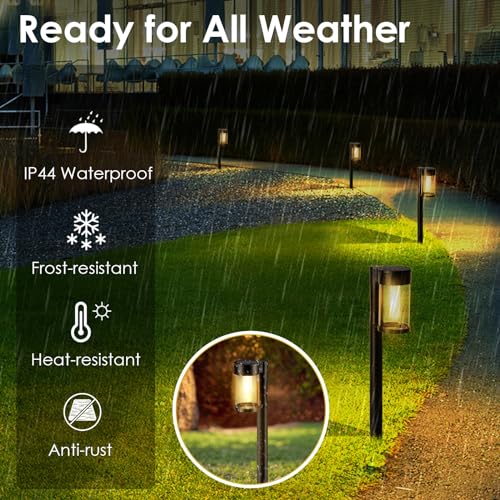
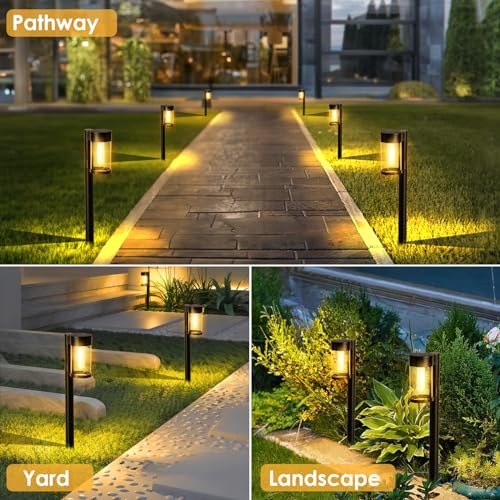
Mancra Solar Pathway Lights, 10 Pack Metal & Glass







What Low-Voltage Sellers Skip: It’s Not That Hard
Pro installers sometimes make 12V lighting sound like a job that needs a licensed electrician. For most homes it isn’t. The transformer plugs into an outdoor GFCI outlet and steps power down to a safe 12 volts. The cable runs just a few inches under mulch or turf, and fixtures clip onto it. A weekend is enough for a typical front yard.
What they also skip: you need to size the transformer properly (keep total fixture watts under roughly 80 percent of its rating) and watch long cable runs, where voltage drop can make the last light dimmer. Modern LED fixtures draw only a few watts each, so a 150 to 300 watt transformer handles a lot of lights. A built-in photocell or timer means it switches on at dusk every night, at full brightness, all year.
Side by Side: Solar vs Low-Voltage
| Solar | 12V Low-Voltage | |
|---|---|---|
| Upfront cost | Low ($3 to $15 per light) | Higher (transformer plus $30 to $100+ per fixture) |
| Installation | Push into the ground | Transformer, cable, a weekend of work |
| Brightness | Low to moderate, varies with sun | Consistent, enough for trees and walls |
| Winter performance | Short run times | Same every night |
| Lifespan | Battery fades in 1 to 2 seasons on many models | LEDs and brass housings can last 10+ years |
| Best for | Accents, far corners, renters, no outlet nearby | Trees, house facade, paths used every night |
The Real Cost Over Five Years
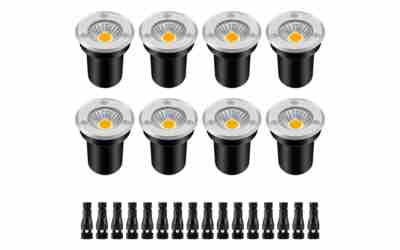
Cheap solar looks unbeatable until you count replacements. A set of ten budget solar path lights that needs replacing every couple of seasons can quietly cost as much over five years as a small wired setup, and it never got as bright. A basic low-voltage kit with a transformer and six to eight decent fixtures runs a few hundred dollars once, uses only a few dollars of electricity a year with LEDs, and is still working in year five. Solid brass fixtures cost the most up front but are the ones that don’t need replacing at all.

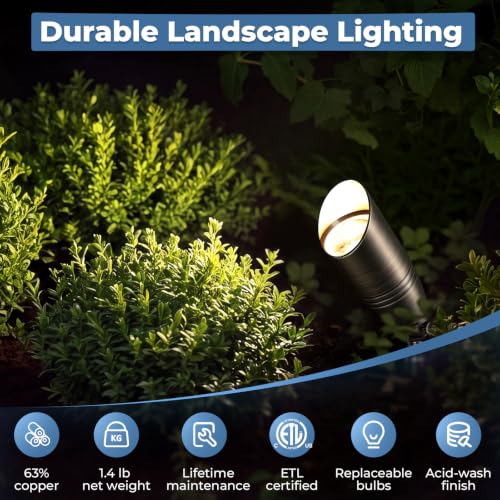
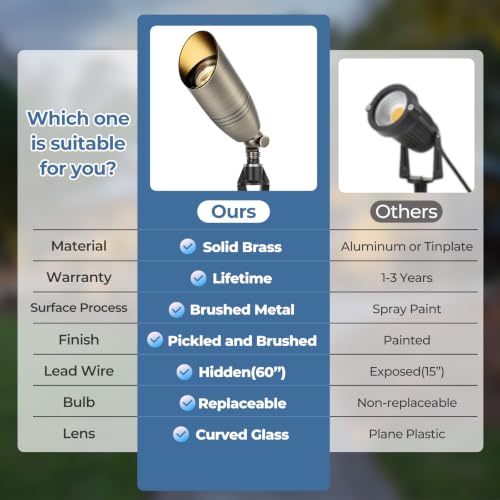
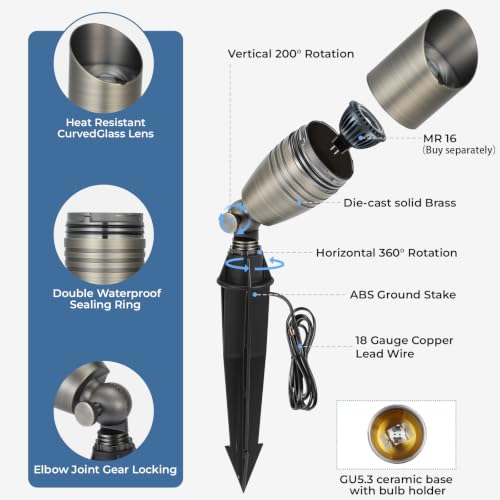
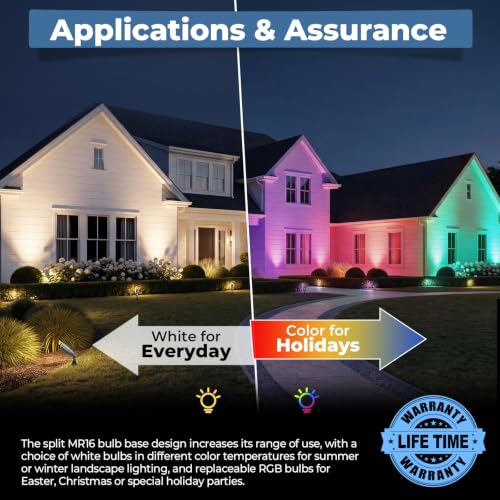
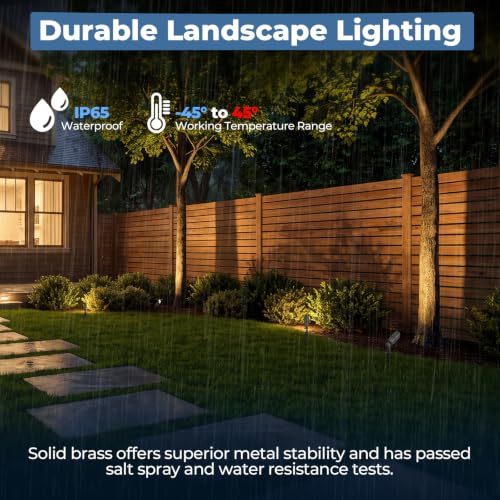
Gardencoin Solid Brass 12V Low Voltage Spotlights 4-Pack


So Which Should You Buy?
- Choose solar if there’s no outdoor outlet nearby, you rent, the spot gets six or more hours of direct sun, or you just want soft accent glow along a garden bed.
- Choose low-voltage if you want to light a tree or the front of the house, the path is used every night, you live somewhere with gray winters, or you’d rather install once and forget it.
- Mix both, which is what a lot of homeowners end up doing: wired lights for the main tree, walkway and facade, and solar for the far corners where running cable isn’t worth it.
If a tree is your main target, read what sellers won’t tell you about uplighting a tree before buying any spotlights, since the tree’s own shade changes which system works. More reviews and picks are in our outdoor lighting section.
Frequently Asked Questions
Is solar or low-voltage landscape lighting better?
Low-voltage is brighter, more reliable and lasts longer, which makes it better for trees, walls and nightly-use paths. Solar is cheaper and needs no wiring, so it suits accents and spots far from an outlet.
How long do solar landscape lights last?
The LEDs last years, but the small rechargeable batteries in many budget lights lose capacity after one or two seasons. Models with replaceable batteries last much longer.
Can I install low-voltage landscape lighting myself?
Yes. A 12V system plugs into an outdoor GFCI outlet through a transformer, and the cable only needs to be buried a few inches. Most homeowners can do it without an electrician.
Why do my solar lights die early in winter?
Short, low-angle winter days give the small panel less energy to store, so the battery runs out sooner. Shade from trees or buildings makes it worse.