Walk into any big-box store and the uplighting aisle makes it look simple: stick a spotlight in the ground, point it up, done. Then the first night comes and the tree looks like a lit-up telephone pole with a dark blob on top, or worse, the light is shining straight into a neighbor’s bedroom window. The box never mentions the handful of things that actually decide whether a lit tree looks like a magazine cover or a security floodlight. Here they are.
Secret #1: The Tree Shades Its Own Solar Panel
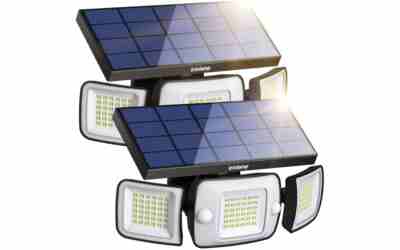
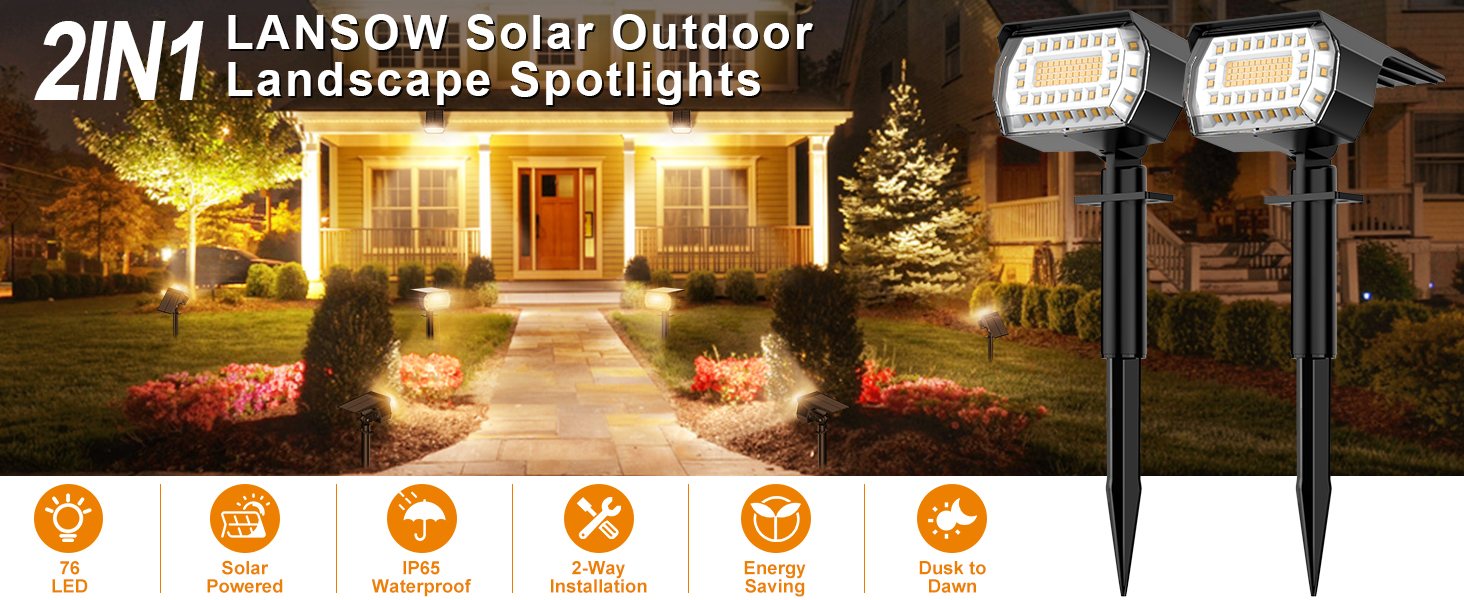
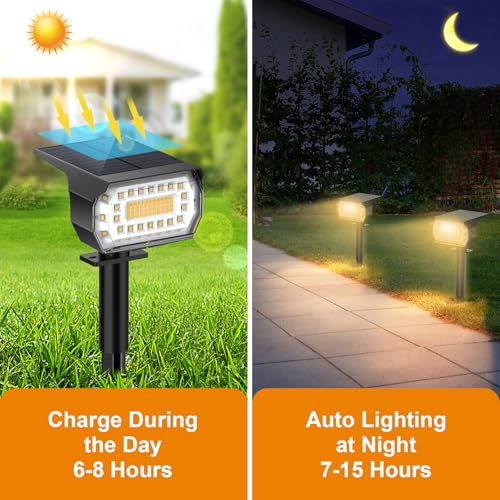
This is the one solar sellers really won’t volunteer. The best place to aim a tree light is right under the canopy, and that is exactly the spot that gets the least sun all day. A solar spotlight with its panel built into the head will sit in shade from late morning on, charge to maybe a third, and fade out by 9 p.m. The fix is simple: pick a model with a separate panel on a cable of 10 feet or more, and stake that panel out in open sun on the south side of the tree. If the light has no remote panel, plan on wired low-voltage instead.

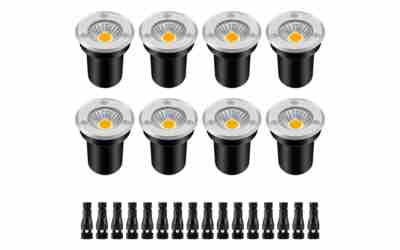
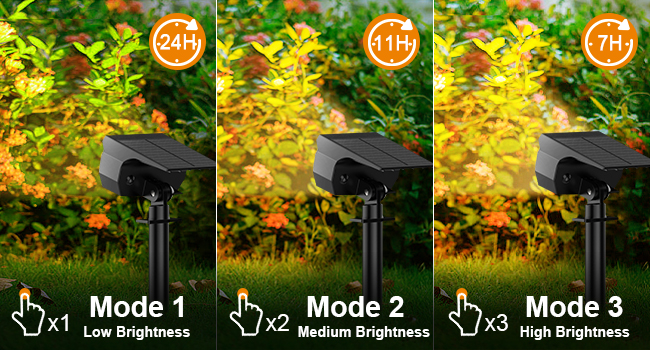
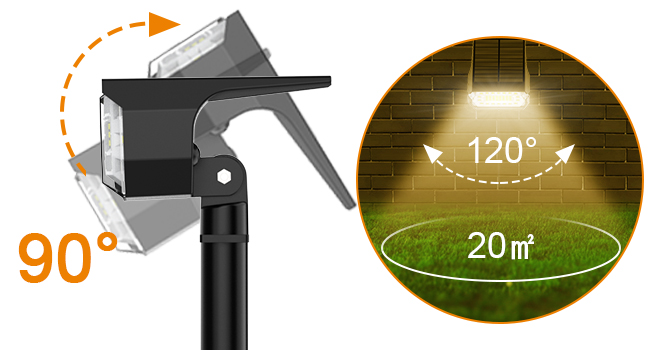
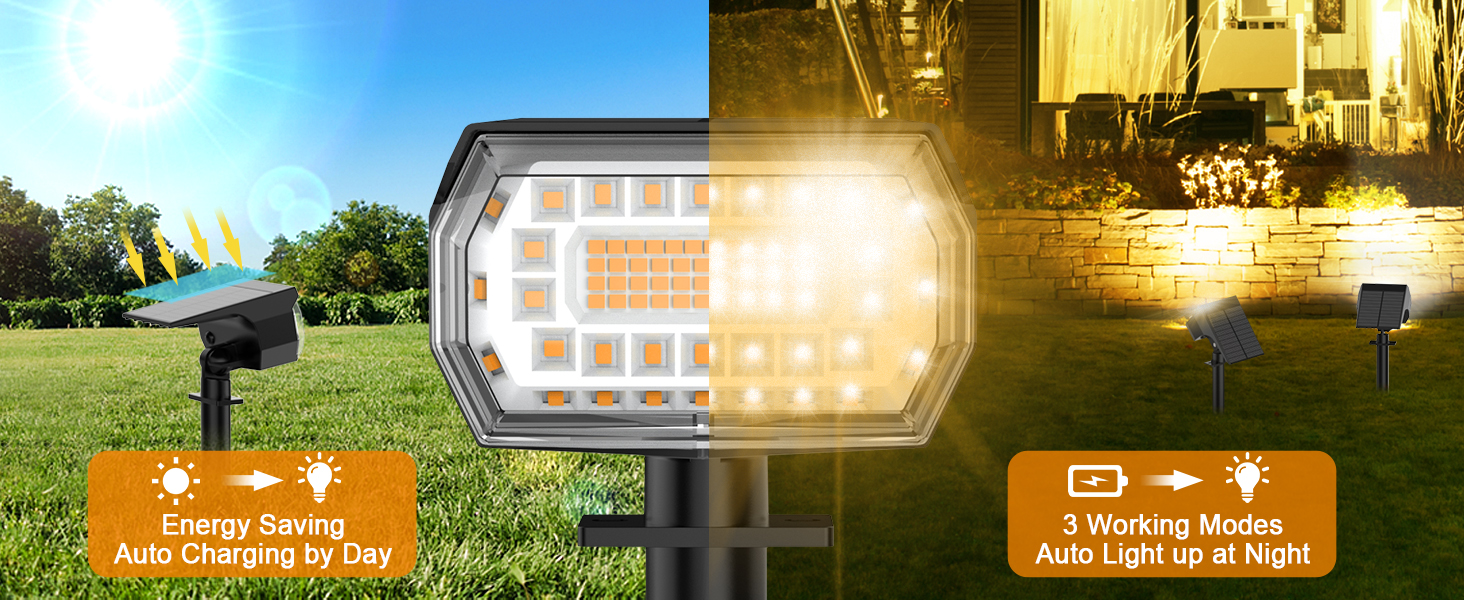
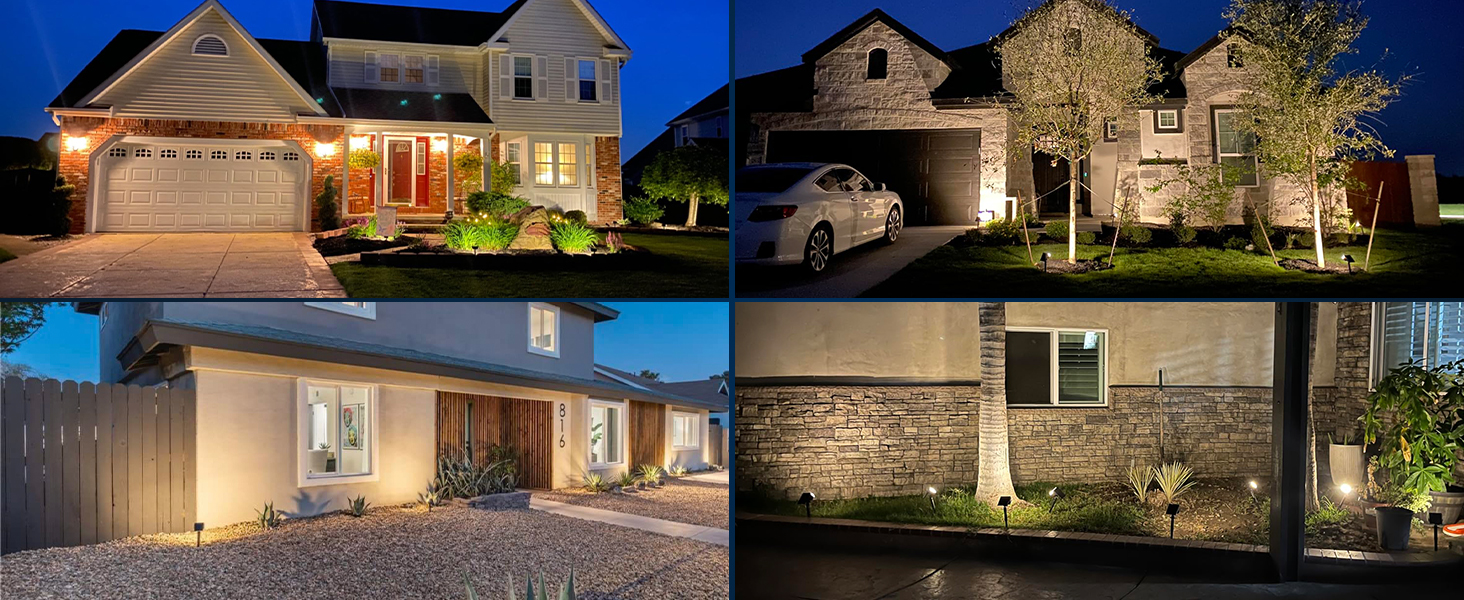
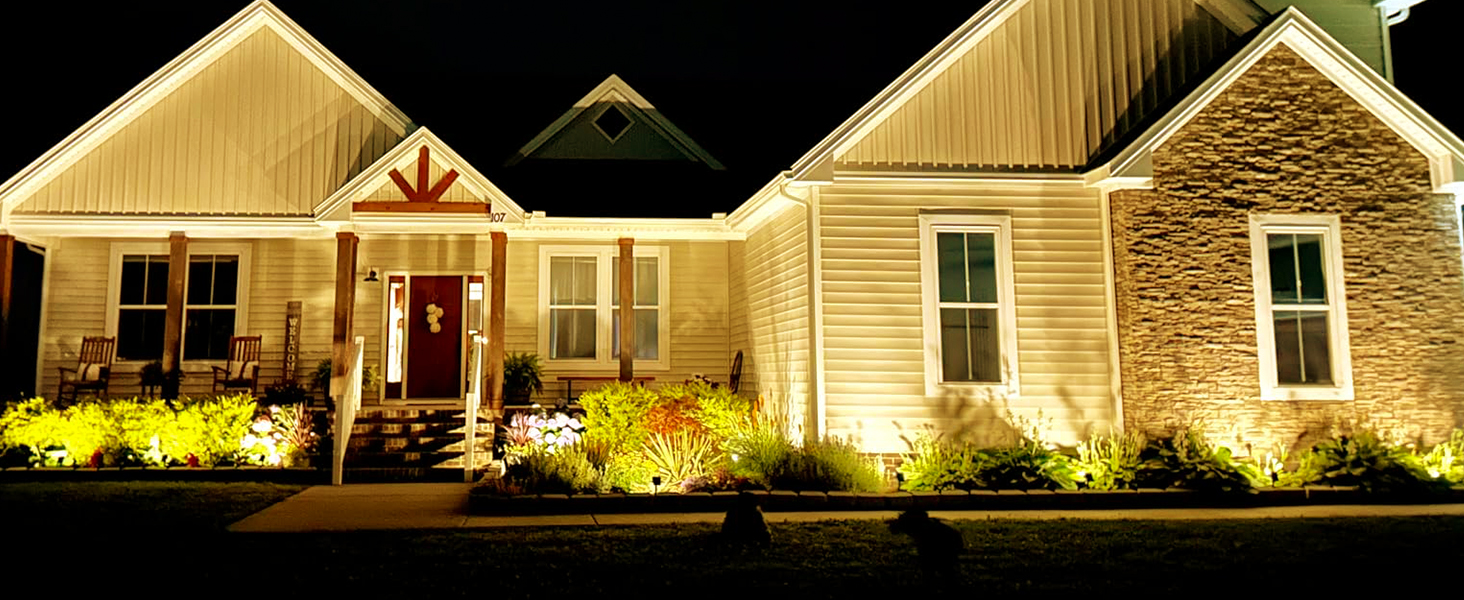
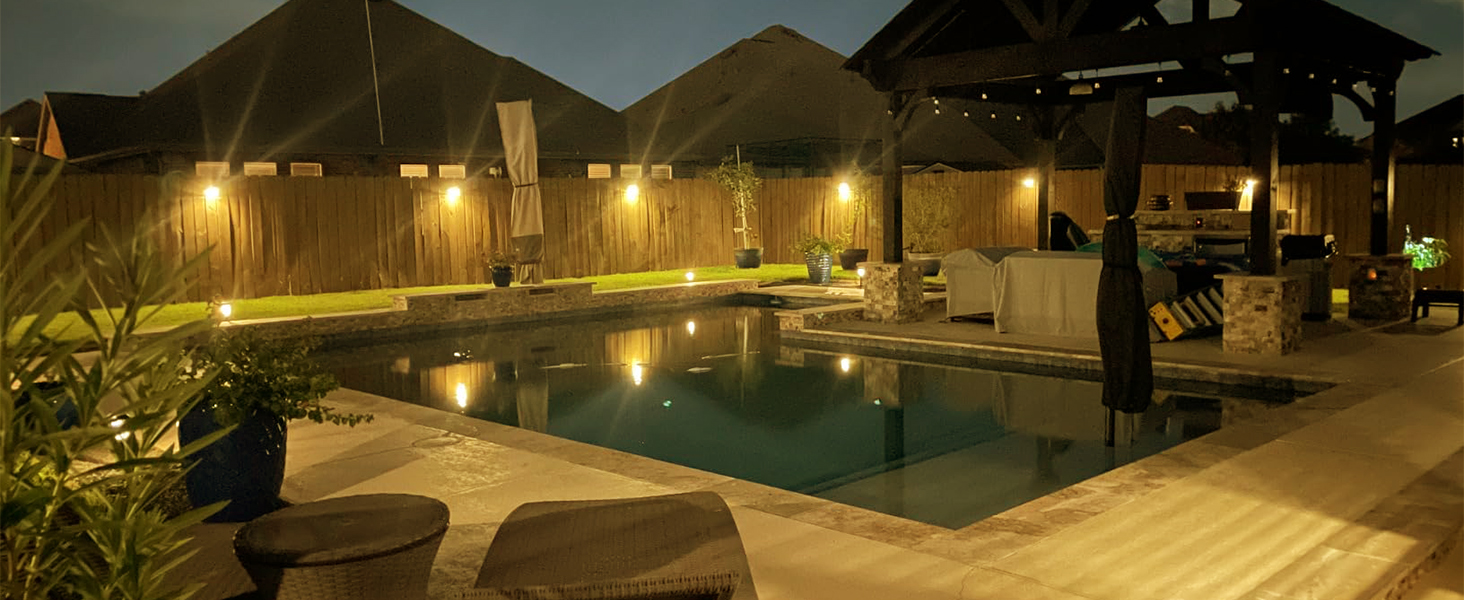
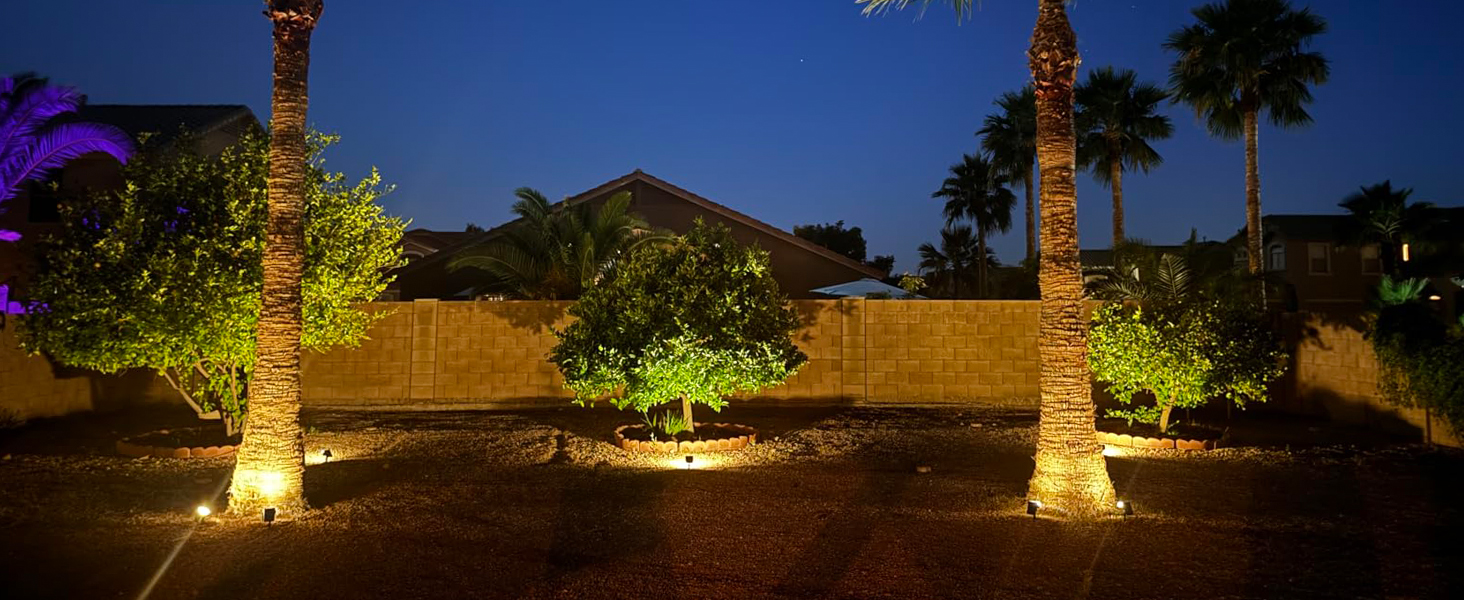
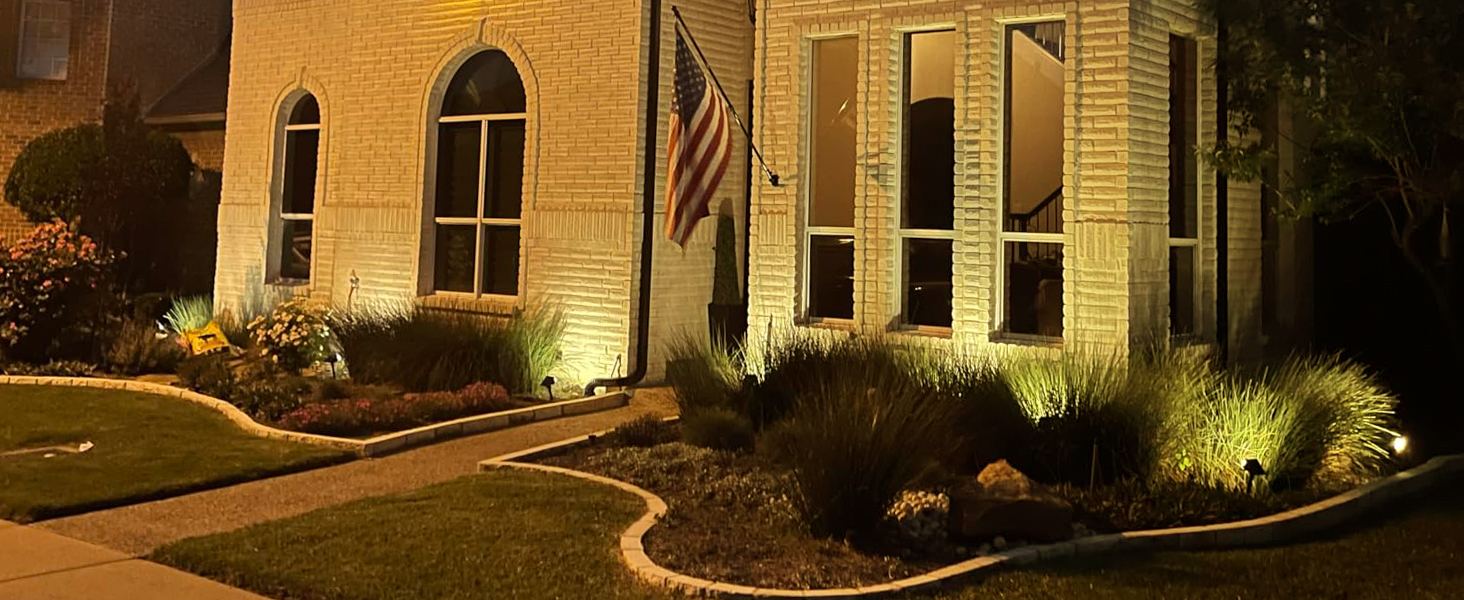
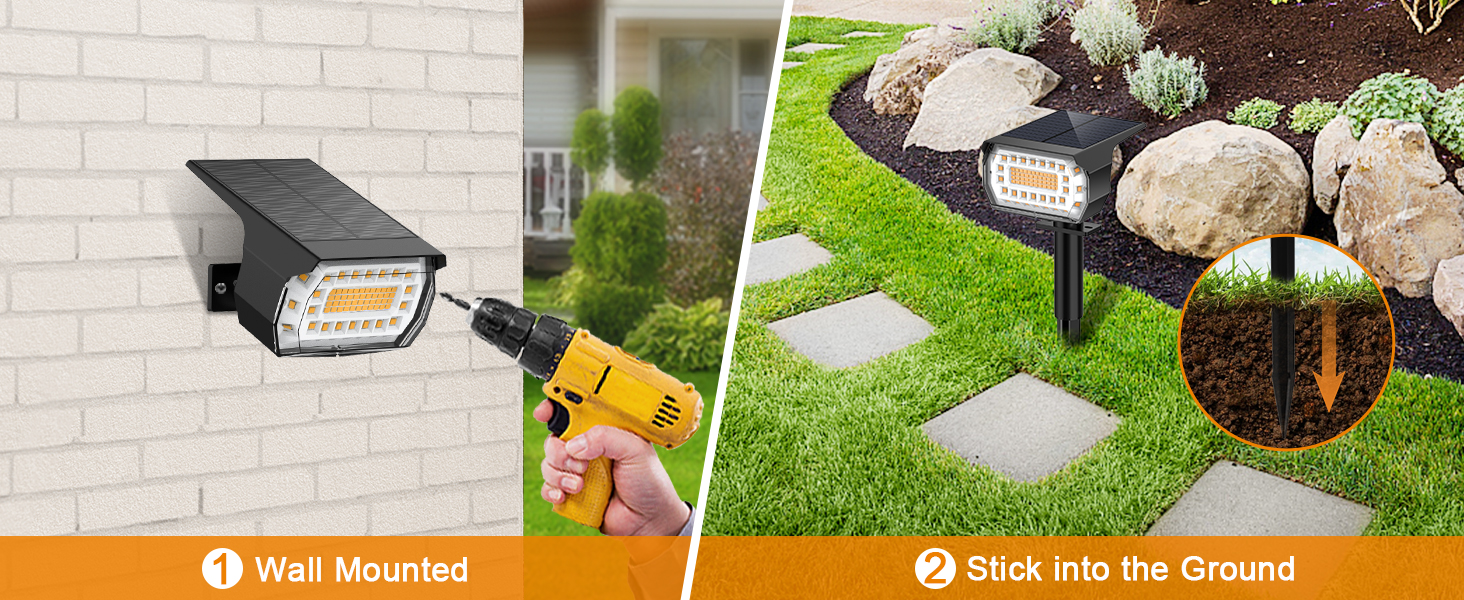
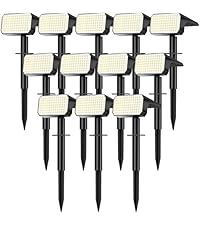
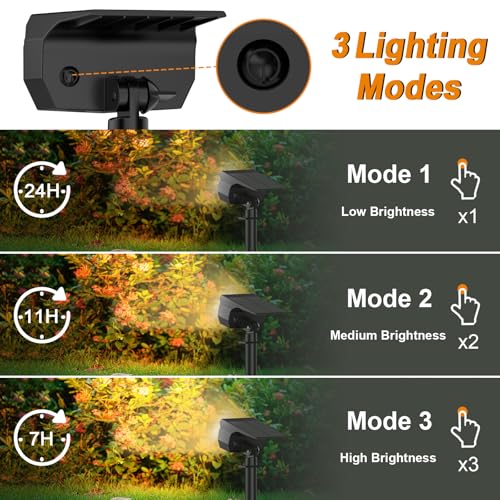
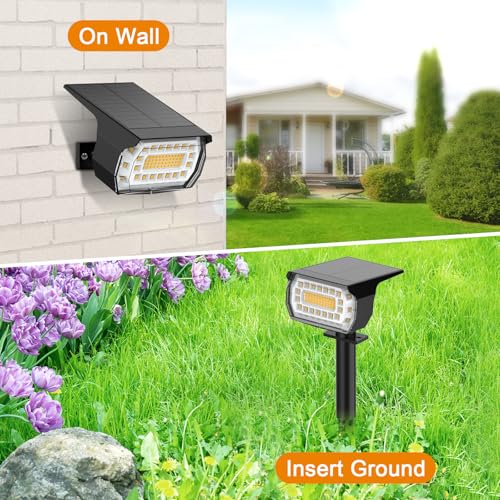
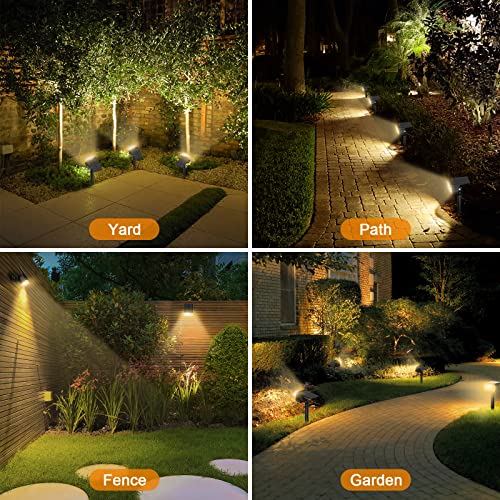
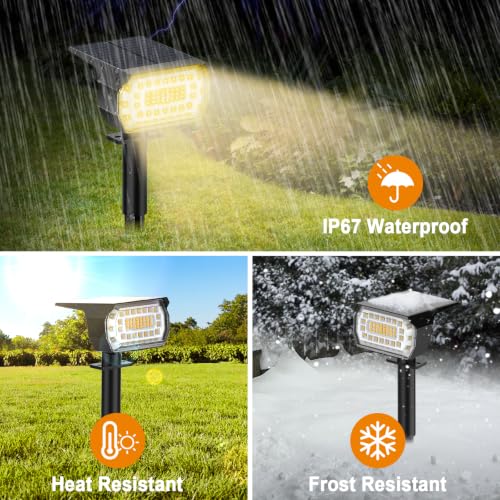
LANSOW Solar Spot Lights, 8-Pack 76 LED Warm White







Secret #2: Beam Angle Matters More Than Lumens
Packaging shouts lumens because a big number sells. But a 400-lumen light with the wrong beam just makes a bright spot on the bark. Match the beam to the shape of the tree:
- Tall, narrow trees (Italian cypress, palms, columnar oaks): a narrow beam around 15 to 25 degrees carries light all the way up the trunk.
- Wide, spreading trees (maples, live oaks, Japanese maples): a wide beam of 40 to 60 degrees fills the canopy instead of drilling a hole in it.
- Small ornamentals under 15 feet: one wide-beam light of 100 to 200 lumens is usually plenty. Medium trees of 20 to 30 feet want 200 to 400 lumens, and big shade trees look best with two or three fixtures sharing the job.
Secret #3: Where You Stake It Changes Everything
Put the fixture one to two feet from the trunk and aim it almost straight up, and you get “grazing”: the light skims the bark and shows off every ridge and texture. That works on trees with interesting bark like oaks, sycamores and river birch. For dense trees and conifers, move the light out near the drip line (the edge of the canopy) and angle it back in, otherwise the lower branches block everything and the top stays dark. Before you aim anything, it helps to take off dead or low hanging limbs first, using the 3-cut pruning method so you don’t tear the bark you are about to show off.
For any tree bigger than about 20 feet, use at least two lights from different sides. One light from the front makes the tree look flat, like a cardboard cutout. Two lights at roughly 90 to 120 degrees apart give it depth.
Secret #4: “Warm White” Is Not One Color
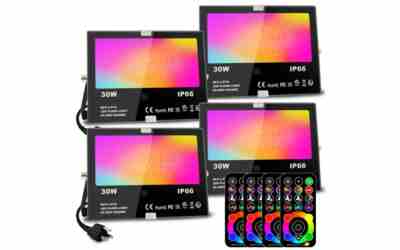
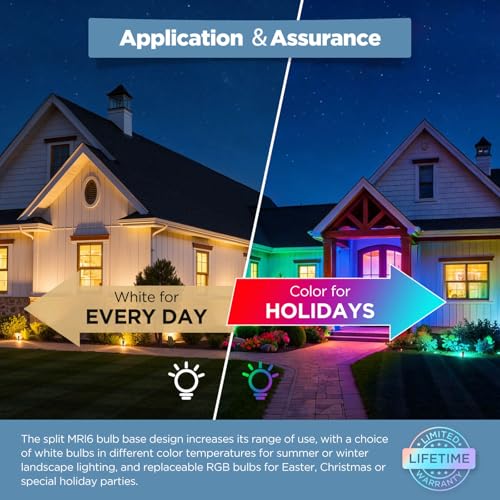
Most listings just say warm white, but the number on the spec sheet matters. Around 2700K makes green and red leaves glow rich and natural. Blue spruce, olive trees and silver-leaf varieties look better at 3000K, which keeps them from going muddy yellow. Avoid 5000K “daylight” for trees entirely; it makes foliage look gray and the yard feel like a parking lot. Color-changing RGB lights are fun for holidays, but for everyday use most people end up leaving them on warm white anyway.
Secret #5: Glare Is What the Neighbors Notice
The goal is to see the lit tree, not the light bulb. A bare LED pointed at the sidewalk or a street will blind anyone walking by. Look for fixtures with a glare shroud or a deep recessed lens, and tuck the fixture behind a shrub or low groundcover. Check the aim from the street, from your front windows and from the neighbor’s side after dark, and tilt the head until you cannot see the hot spot from any normal viewing spot.
Secret #6: Low-Voltage Is Easier Than Electricians Make It Sound
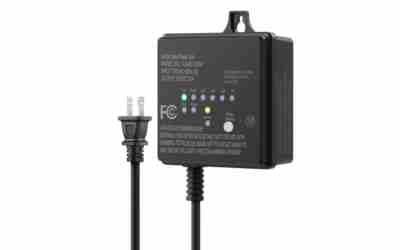
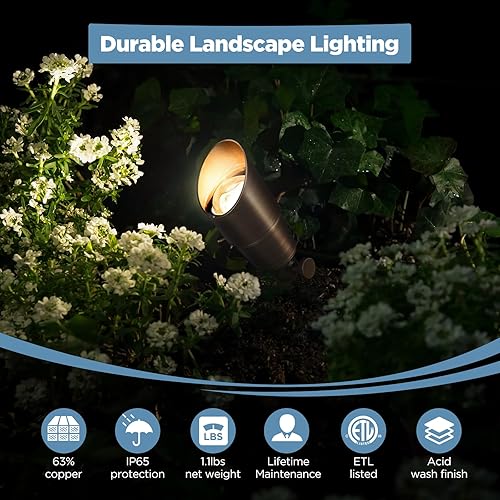
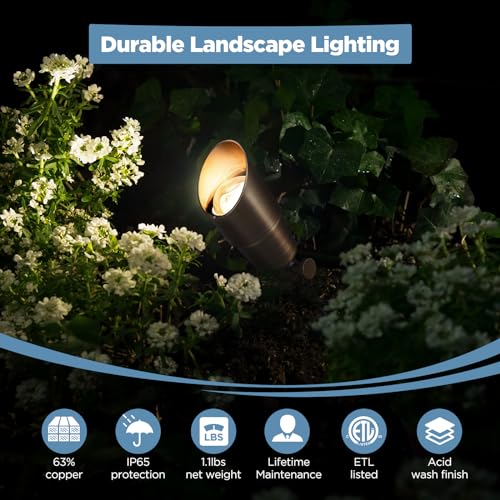
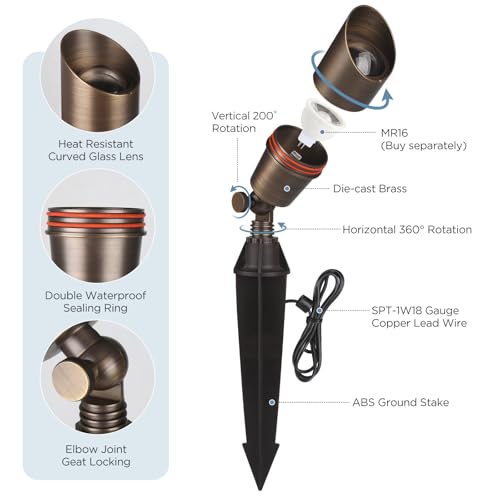
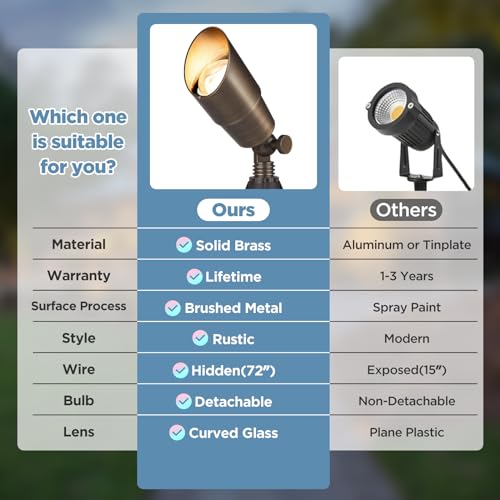
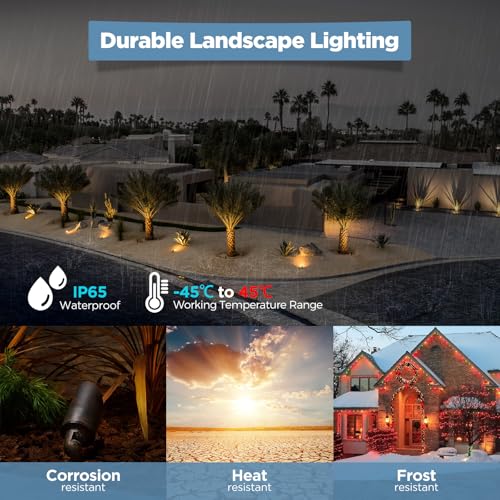
Twelve-volt landscape lighting plugs into an outdoor GFCI outlet through a transformer, and the cable can be buried just a few inches deep. In most of the US, homeowners do it themselves without a permit. Two rules keep it trouble free: keep the total fixture wattage under about 80 percent of the transformer rating, and keep long cable runs reasonably short or use thicker 12-gauge wire so the last light in the line isn’t noticeably dimmer than the first. Solid brass fixtures cost more up front but shrug off sprinklers, fertilizer and coastal air for decades, while cheap aluminum housings often corrode within a few seasons. If you’re still deciding between the two systems, our solar vs low-voltage comparison walks through the real trade-offs.
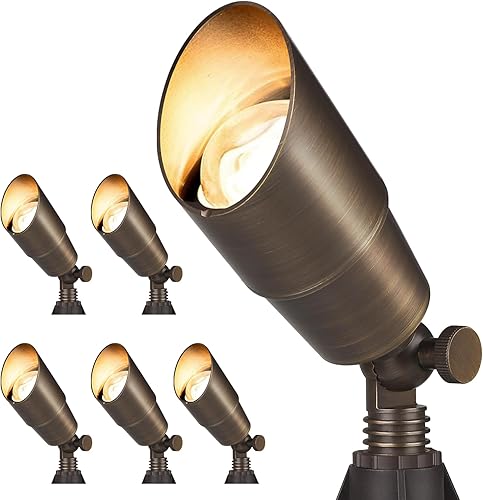
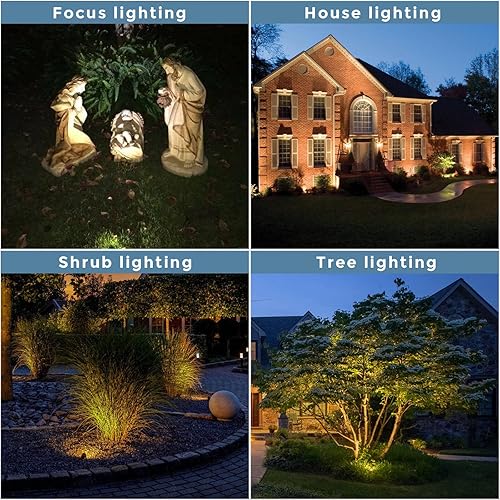
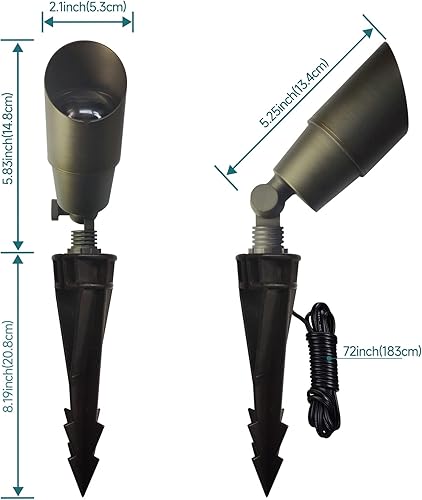
Gardencoin Solid Brass Outdoor Landscape Spotlights





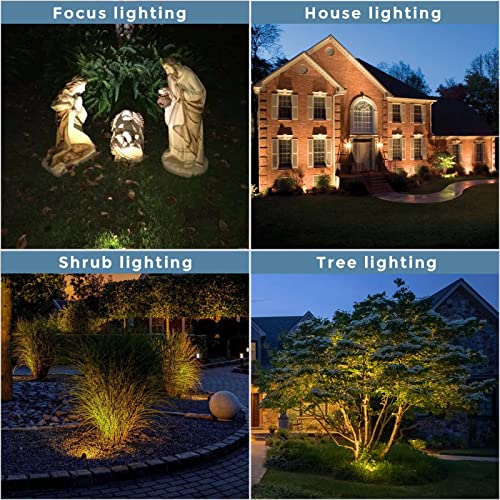
A Quick Plan for Your First Tree
- Pick one tree that is visible from the street or the patio, not every tree at once.
- Decide on solar (with a remote panel in full sun) or 12V wired, based on how far the nearest outdoor outlet is.
- Choose the beam: narrow for tall and slim, wide for broad canopies.
- Stake the lights temporarily, wait until full dark, and adjust aim and distance before burying any cable.
- Walk around and check for glare from the street and windows, then lock the fixtures down.
One well placed tree does more for curb appeal at night than a dozen path lights. Get one right, then expand. You can browse more picks in our outdoor lighting section.
Frequently Asked Questions
How many lights do I need to uplight a tree?
One wide-beam light is enough for a small ornamental tree under 15 feet. Medium trees of 20 to 30 feet look best with two lights from different sides, and large shade trees often need three.
How far from the tree should an uplight be?
One to two feet from the trunk grazes the bark and shows texture. For dense trees and conifers, place the light near the edge of the canopy and angle it back toward the tree so lower branches don’t block the light.
Are solar lights bright enough to uplight a tree?
Good solar spotlights can light small and medium trees, but only if their panel gets full sun. Since the canopy shades the ground under it, choose a model with a separate panel on a long cable, or use 12V low-voltage lighting for large trees.
What color temperature is best for tree uplighting?
About 2700K warm white suits most green and red foliage. 3000K works better for blue or silver leaves. Avoid 5000K daylight, which makes leaves look gray.