To winterize an above ground pool, close it when the water drops below 60°F: balance the chemistry, shock, clean, add algaecide, lower the water 2–4 inches below the skimmer, drain the equipment and hoses, and fit a tight winter cover. Never drain the pool completely. Plan on 3–4 hours of work.
When to close an above ground pool
Close the pool when the water stays below 60°F, or before nighttime lows stay at or below 32°F, whichever comes first. Algae grows slowly below 60°F, so the pool is much easier to keep clear all winter if you close at that point rather than weeks earlier. Closing too early in warm water invites algae under the cover.
Your climate decides how much of the job you need to do:
| Winter type | What to do |
|---|---|
| Mild (rarely freezes) | Skip the full closing. Run the pump a few hours a day, keep chlorine up and brush occasionally. Run the pump overnight when a freeze is forecast. |
| Occasional freezes | Close the pool with a cover, or keep the pump running on freezing nights. Drain and store the equipment if you close. |
| Hard freezes and snow | Full closing. Use a cover with a cable and winch (or the one the manufacturer supplies), an air pillow, and plan to clear snow off the cover. |
Pool and liner makers differ on details, so check your owner’s manual for the water level and cover type your model needs.
Supplies and time you need before you start
Buy everything before the weather turns, because winter kits and covers sell out in fall. Here is the shopping list:
- A winter chemical kit, or separate calcium hypochlorite shock and a 60% polyquat winter algaecide (avoid copper-based algaecides, which can stain)
- A test kit or strips that read free chlorine, pH, alkalinity and calcium hardness
- A winter cover sized for your pool (cover diameter is larger than the pool diameter, so check the label)
- An air pillow, plus cable and winch or the ties that come with the cover
- Skimmer and return plugs or a skimmer cover
- A submersible pump or siphon to lower the water
- A wet/dry shop vac or blower if you have hard plumbing to clear
- Gloves, goggles and a sealed bucket or container for chemicals
Set aside 3–4 hours on closing day, plus a few minutes of prep three days earlier to shock the water. Make a quick budget before you shop: the cover is usually the biggest cost, and a cheap, thin cover tends to be the first thing to fail.
How to winterize an above ground pool: the sequence
Order matters, and several popular guides scramble it. Use this sequence:
- About 3 days before closing: test and balance the water, then shock it.
- Closing day: brush the walls and floor, vacuum, skim out leaves, and clean the filter.
- Run the pump for 30 minutes after shocking, then add the winter algaecide and let it circulate.
- Lower the water level.
- Drain the pump, filter, heater and hoses, and store them.
- Plug the openings, remove the ladder and accessories, and install the cover.
Water chemistry targets
- pH: 7.4–7.6
- Total alkalinity: 80–120 ppm
- Calcium hardness: 175–225 ppm for a vinyl liner
- Free chlorine: at least 3–5 ppm before closing, then a winter shock to about 10–12 ppm
Adjust pH and alkalinity first, since shocking while pH is high wastes much of the chlorine.
Shock amounts by pool size
The table gives rough starting estimates for a round pool filled to about 4 feet deep, using calcium hypochlorite at about 65–73% strength. Strength varies by brand, so the product label overrules this table. Retest after a few hours and add more if you are short of 10 ppm.
| Round pool | Approx. gallons | Shock to reach ~10 ppm |
|---|---|---|
| 15 ft | 5,300 | about 1 lb |
| 18 ft | 7,600 | about 1¼ lb |
| 24 ft | 13,500 | about 2 lb |
Some kits recommend 2–4 pounds for pools of 5,000–15,000 gallons, which is the heavier end for dirty or green water. For your own volume, multiply diameter × diameter × 0.785 × water depth in feet × 7.48.
Safety: wear gloves and goggles. Add shock to water, never water to shock, never mix chemicals, and store them sealed, cool and out of reach of children.
Clean the pool and filter before closing
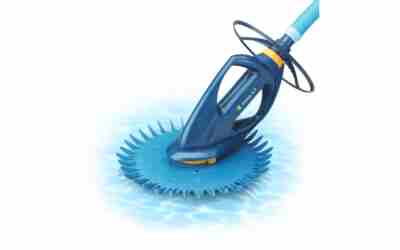
Dirt left in the pool feeds algae all winter, and algae under a cover is the most common reason spring opening goes badly. Brush the walls and floor, skim the surface, and vacuum out debris. A good above ground pool vacuum makes the final closing-day cleanup far quicker than scooping with a net.
Then clean the filter, since it stays dirty all winter if you do not:
- Sand: backwash until the water runs clear, then rinse, and drain the tank.
- Cartridge: remove the cartridge, hose it clean, let it dry and store it indoors.
- DE: backwash, then clean the grids and recharge them with fresh DE in spring.
Saltwater pools: you do not need to remove the salt, but pull the salt cell if the maker says so, and clean it per the manual.
Lower the water level, then drain the equipment and hoses
Do not drain an above ground pool for winter. Without the weight of water, the liner can shrink or wrinkle, the walls can buckle, and groundwater can even push an empty pool up. Lower the water only to about 2–4 inches below the skimmer opening and return jet, and do not go below the return jet. Some models use different levels, so check the manual.
Use a submersible pump or hose siphon for this. Unplug electrical equipment first, and do not use a shop vac or blower near wet electrical connections.
Next, shut down the equipment:
- Turn off power at the breaker and unplug the pump and any heater.
- Disconnect the hoses and drain them completely, then store them.
- Open the drain plugs on the pump, filter and heater, and drain the housings. Store the pump and heater indoors if you can.
- Fit plugs or a skimmer cover in the skimmer and return openings.
Do you need to blow out lines? On a hose-connected above ground pool, usually not, because draining the hoses is enough. If you have hard plumbing, clear it with a blower and plug it at the pool end. If you use antifreeze, use only pool-safe antifreeze, never automotive antifreeze, which is toxic.
Install the winter cover so it stays put
Remove the ladder, skimmer basket, return fittings and any toys or accessories before covering. Store them dry.
Then install the cover:
- Place an air pillow in the center of the pool and inflate it only partly. It lifts the cover so ice expands toward the pillow instead of the walls, and it lets water drain toward the edges.
- Unroll the cover and center it so the overhang is even all around.
- Tighten it down with the cable and winch that came with the cover, or the ties or clips the manufacturer specifies. Water bags work too, but only the type designed for pool covers, filled about two-thirds.
- Check that no gaps remain at the edge. Children and animals can slip under a loose cover.
No air pillow or cover pump? You can close without one in mild areas, but you will have more standing water and ice stress, so check the cover more often. In snow country, use the pillow.
Never walk on the cover or let it hold standing water. Remove heavy snow gently with a soft push broom.
Winter checks, common mistakes and spring reopening
Check the cover every 2–3 weeks and after heavy rain or snow. If water pools on top, pump it off, and re-tighten the cover if it has slipped. Do not let the pool level creep up with rain until it nears the skimmer. Pump a little off if it does.
If a freeze comes early, before you are ready, run the pump to keep the water moving through the night, then finish closing when the weather turns.
The mistakes that cause the most trouble:
- Draining the pool fully
- Closing in warm water without algaecide
- Adding algaecide before the pump has run after shocking
- Leaving water in the pump, filter or hoses
- Using an undersized or thin cover
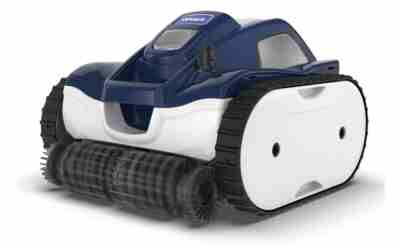
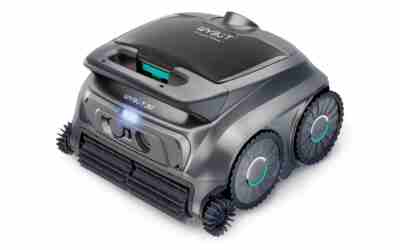
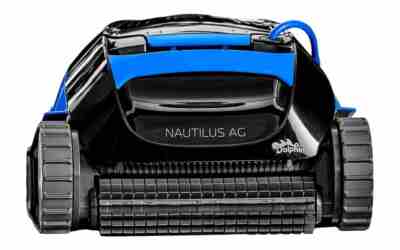
Spring: remove the cover once nights stay above freezing for at least 2 weeks. Clean the cover before storing it and refill the water to midway up the skimmer opening. Balance the pH before shocking, because a pH above 7.8 wastes much of the shock. Once the water clears, a robotic above ground pool cleaner can handle the first-week debris so you can focus on the chemistry.
Our Top Picks
Ready to shop? These are the top-rated options from our hands-on roundup, Best Above Ground Pool Cleaner of 2026.

Enhulk PC15 Pool Vacuum - 13.4" Wide Head & Telescopic Pole

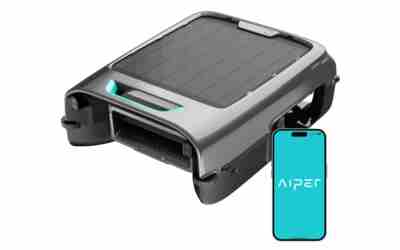
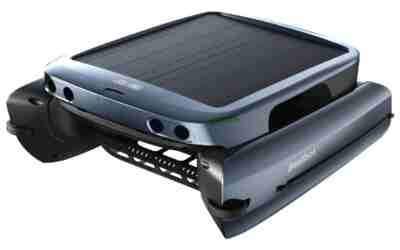
Beatbot iSkim Robotic Pool Skimmer, 9L Basket, Solar

Beatbot Sora 30 Cordless Pool Cleaner 6800GPH
As an Amazon Associate we earn from qualifying purchases. Product prices and availability are accurate as of the date/time indicated.
Frequently Asked Questions
What temperature should I close my pool?
Close it when the water stays below 60°F, since algae grows slowly at that temperature. In cold regions, also close before nighttime lows stay at or below 32°F, so water in hoses and equipment does not freeze.
Should I drain my above ground pool for winter?
No. An empty pool can have its liner shrink or wrinkle, its walls can buckle, and groundwater can lift it. Lower the water only 2–4 inches below the skimmer opening and return jet, or as your manual says.
Can I winterize without a pool cover pump or air pillow?
Yes, in mild climates, but check the cover often and pump off standing water by hand. In snow or hard-freeze areas an air pillow is worth it because it relieves ice pressure on the walls.
How much shock do I need to close my pool?
Raise free chlorine to about 10–12 ppm. As a rough guide, that is about 1 lb of calcium hypochlorite for a 15-ft round pool and about 2 lb for a 24-ft pool, but always follow the product label and retest.
{“@context”: “https://schema.org”, “@type”: “FAQPage”, “mainEntity”: [{“@type”: “Question”, “name”: “What temperature should I close my pool?”, “acceptedAnswer”: {“@type”: “Answer”, “text”: “Close it when the water stays below 60°F, since algae grows slowly at that temperature. In cold regions, also close before nighttime lows stay at or below 32°F, so water in hoses and equipment does not freeze.”}}, {“@type”: “Question”, “name”: “Should I drain my above ground pool for winter?”, “acceptedAnswer”: {“@type”: “Answer”, “text”: “No. An empty pool can have its liner shrink or wrinkle, its walls can buckle, and groundwater can lift it. Lower the water only 2–4 inches below the skimmer opening and return jet, or as your manual says.”}}, {“@type”: “Question”, “name”: “Can I winterize without a pool cover pump or air pillow?”, “acceptedAnswer”: {“@type”: “Answer”, “text”: “Yes, in mild climates, but check the cover often and pump off standing water by hand. In snow or hard-freeze areas an air pillow is worth it because it relieves ice pressure on the walls.”}}, {“@type”: “Question”, “name”: “How much shock do I need to close my pool?”, “acceptedAnswer”: {“@type”: “Answer”, “text”: “Raise free chlorine to about 10–12 ppm. As a rough guide, that is about 1 lb of calcium hypochlorite for a 15-ft round pool and about 2 lb for a 24-ft pool, but always follow the product label and retest.”}}]}