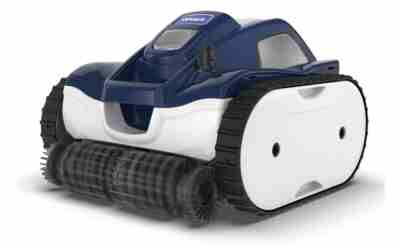
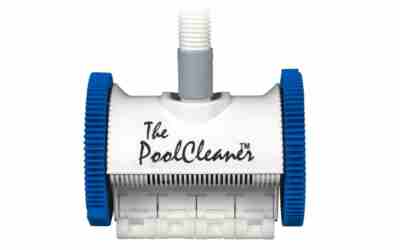
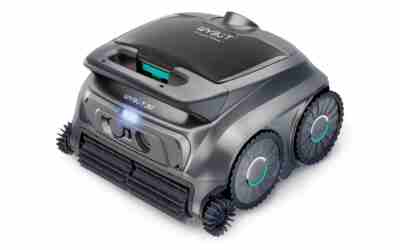
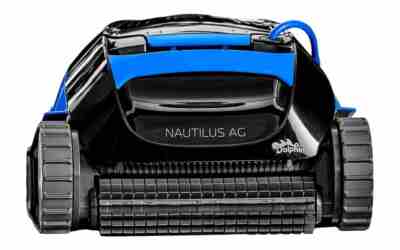
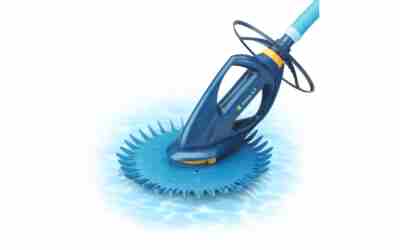
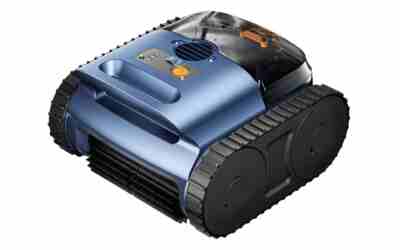
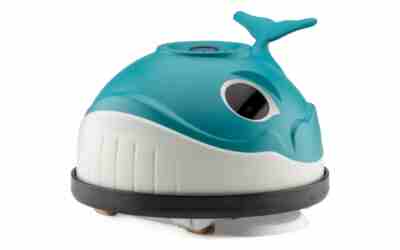
Are robotic pool cleaners worth it? For most owners, yes. They have their own motor and filter, so they clean without your pump, use little electricity, and save time every week. The exceptions are small, rarely used pools and pools that collect heavy debris, where a cheaper cleaner may fit better.
The short answer: yes, for pools you use regularly
If you swim often and have an in-ground pool or a larger above-ground pool, a robotic cleaner is usually worth the higher upfront price. It takes over the jobs you would otherwise do by hand: scrubbing the floor, usually the walls, and often the waterline, while trapping fine debris in its own filter.
The payoff comes from a few things:
- Time: You drop it in, start a cycle, and lift it out later. There are no hoses to attach and no skimmer or pump adjustments.
- Less strain on your pump and filter: The robot collects debris in its own basket or cartridge, so less reaches your main filter. You backwash or clean the filter less often.
- Lower running cost: Robots run on a low-voltage motor, while pressure and suction cleaners depend on your pump or a booster pump. Actual savings depend on your pump type and local electricity rates.
- Better coverage: Most models use onboard programming to cover the floor and walls systematically instead of wandering randomly.
The trade-off is price. Robotic cleaners cost more to buy than most suction cleaners, and when they fail, repairs can cost a meaningful share of the purchase price. Whether that is a good deal comes down to how often you use the pool and what kind of debris it gets.
How robotic cleaners compare with suction and pressure cleaners
There are three main types of automatic pool cleaner, and they work differently. Knowing the differences makes the cost question much clearer.
| Type | Power source | Where debris goes | Typical strength |
|---|---|---|---|
| Robotic | Own motor, plugged into a power supply | Built-in filter basket or cartridge | Fine debris, scrubbing, wall and waterline cleaning on many models |
| Suction-side | Your pool pump | Your skimmer or pump basket and main filter | Lowest upfront cost, light debris |
| Pressure-side | Your pump, sometimes plus a booster pump | Bag on the cleaner | Larger debris such as leaves and acorns |
Suction cleaners are the simplest and cheapest, but they pull debris into your main filter and run only when your pump runs. Pressure cleaners handle bigger debris well, though many need a separate booster pump that adds installation cost and electricity use. If leaves are your main problem, compare options in our guide to the best pressure-side pool cleaners before deciding.
Robotic cleaners are independent of your plumbing. That also means they work in pools where the pump or plumbing is not set up for a cleaner, and you can run one without running the pump at all.
What a robotic pool cleaner really costs over time
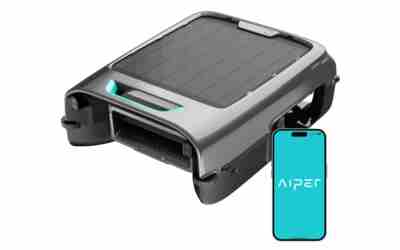
Prices vary widely by brand, features and pool type, so check current listings rather than relying on a single number. Basic robotic models cost noticeably less than premium ones with cordless operation, app control, or advanced navigation. If budget is the main concern, our list of inexpensive robotic pool cleaners shows what you can get without paying for extras.
To judge value, look at the full cost of ownership rather than the sticker price:
- Purchase price: Include a caddy if you want one; some models ship without it.
- Electricity: A robot cycle usually runs a few hours. Compare that to running a full-size pump for the same time, especially a single-speed pump.
- Replacement parts: Filters, brushes, tracks and cables wear out. Check what the manufacturer sells and what each part costs.
- Lifespan: Many owners get several years of use, but it depends on the model, how often it runs, and how well you maintain it. We cover this in detail in how long robotic pool cleaners last.
- Time saved: This is harder to price, but if you currently spend a half hour or more each week brushing and vacuuming, the savings add up.
Warranty terms differ by manufacturer and sometimes by retailer, so read them before buying. A longer warranty on the motor and power supply is a useful sign for a higher-priced unit.
When a robotic pool cleaner is not worth it
Robots are not the right answer for every pool. Consider skipping one, or choosing another type, in these cases:
- Heavy leaf load: If large leaves, acorns, or sticks fall in constantly, many robot baskets fill up fast and need frequent emptying. A pressure-side cleaner or a skimmer-and-net routine may work better. Some robotic models are designed for heavier debris, so check the specs.
- A small, rarely used pool: A small plunge pool or a seasonal pool used a few weekends a year may not justify the cost. A manual vacuum can be enough.
- Very tight budget: A basic suction cleaner costs less up front. The trade-off is more load on your pump and filter.
- Unusual pool shapes or features: Steep slopes, deep steps, and some freeform designs can trip up some models. Check what the manufacturer says about pool size and layout.
- Heavy algae problems: A robot cannot fix poor water chemistry. If the pool is green, treat the water first. Otherwise the filter clogs quickly.
Also remember that you still need to manage chemistry, run your filtration, and skim the surface. A robot reduces the work on the floor and walls; it does not replace the rest of pool care.
What to check before you buy
Matching the cleaner to your pool matters more than the brand name. Check these points first:
Pool surface and type
Vinyl, fiberglass, plaster and tile can each call for different brush or track types. Some manufacturers specify models for certain surfaces. For above-ground pools, see our picks for the best robotic above-ground pool cleaners, since wall shape and a lack of a deep end change what works.
Cord length and pool size
The cable should reach the farthest point of the pool from where the power supply sits, with some slack. Measure the pool length and add the depth. Manufacturers list the pool size each model is designed for, though real performance depends on shape and debris.
Filtration
Fine-mesh filters or cartridges catch finer dust and pollen; basket-style filters are easier to empty but may let more small particles through. Think about what falls in your pool.
Wall and waterline climbing
Not every robot climbs walls or cleans the waterline. If you want that, confirm it in the specifications.
Power and safety
- Plug the power supply into a GFCI-protected outlet.
- Keep the power supply out of the water and at the distance from the pool edge stated in the manual. Many manuals call for several feet of clearance. Local electrical code may also apply.
- Always unplug the unit before lifting it out and handling it.
If you are still comparing models, our overview of the best robotic pool cleaners can help you narrow the field.
Habits that make a robot last longer and clean better
A good cleaner can still disappoint if it is used poorly. These habits make the biggest difference:
- Empty or rinse the filter after every cycle. A clogged filter reduces suction and strains the motor.
- Remove the robot between uses. Leaving it in the pool for long periods exposes it to chemicals and sunlight. Store it in the shade.
- Keep the cable untangled. Hang it or coil it loosely. Most models have a swivel, but a twisted cable still limits coverage.
- Do not run it during or right after a chemical shock. Follow the manufacturer’s guidance on chemical levels. High chlorine can degrade parts faster.
- Remove big debris first. Net out large leaves before starting the robot.
- Inspect brushes and tracks. Worn parts reduce traction, especially on walls.
- Rinse with fresh water after saltwater or heavily treated pool use, if the manufacturer recommends it.
Most owners run a robot a few times a week, but the right schedule depends on debris load, sun, and use. If the pool still looks dirty after a cycle, check the filter first, then the water chemistry, before blaming the machine.
Frequently Asked Questions
Is a robotic pool cleaner better than a suction cleaner?
For most owners, yes. Robots have their own motor and filter, so they do not load your pump or main filter, and they typically scrub better. Suction cleaners cost less up front, so they can make sense on a tight budget or for light debris.
Do robotic pool cleaners save money on electricity?
Often, yes. A robot runs on a low-voltage motor and does not need your pump running, while suction and pressure cleaners rely on the pump or a booster pump. Actual savings depend on your pump type, run times, and local electricity rates.
How long does a robotic pool cleaner last?
Many last several years, but lifespan depends on the model, how often it runs, water chemistry, and maintenance. Rinsing the filter, storing it out of the sun, and keeping the cable untangled help. Check the warranty for the motor and power supply.
Can a robotic pool cleaner replace manual pool cleaning?
It replaces most floor and wall vacuuming and brushing, but not everything. You still need to skim the surface, balance the water chemistry, run your filtration, and empty the robot’s filter. Heavy debris or algae may still need manual cleanup.