How much does a chainsaw cost? Most homeowners pay roughly $100 to $300 for a corded electric or entry-level battery saw, $250 to $600 for a solid gas or battery saw, and $600 to $1,300 or more for a pro-grade model. Price depends on brand, bar length, power source, and whether a battery is included.
Chainsaw prices at a glance
The ranges below are typical US retail ranges for new saws. Exact prices vary by brand, retailer, sales, and whether a battery and charger come in the box, so check current listings before you budget.
| Type | Typical price | Best for |
|---|---|---|
| Corded electric | $70 to $200 | Light pruning near an outlet |
| Battery, homeowner | $150 to $450 | Storm cleanup, small trees, occasional firewood |
| Gas, homeowner | $200 to $450 | Regular yard work and firewood |
| Gas, farm and ranch | $400 to $700 | Heavier, frequent cutting |
| Gas, professional | $600 to $1,300+ | Daily use, felling larger trees |
| Pro battery or top-handle | $300 to $800+ | Climbing, limbing, tree work |
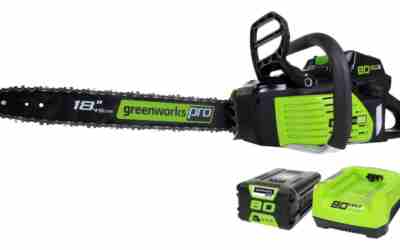
If a battery saw is listed as “tool only,” the price can look low but you may still need a battery and charger, which can add $100 to $300 or more.
Cost by chainsaw type
Corded electric: lowest price
Corded saws are the cheapest to buy and need no fuel or battery. The tradeoff is the cord. You are limited by extension cord length, and most have shorter bars, typically 12 to 16 inches. They suit trimming a few limbs close to the house, not clearing a fallen tree in the back acre.
Battery: the middle ground
Battery saws have gotten capable enough for most suburban yards. They start instantly, are quieter, and need less maintenance than gas. The price is driven by the battery: a larger amp-hour pack costs more and runs longer. If you already own batteries from a brand’s tool line, buying a bare-tool saw can save real money. Compare runtime and bar length on the specific model, because they vary widely.
Gas: most power per dollar
Gas saws give the best cutting power for the money, especially on thick hardwood. Homeowner gas saws with 14 to 18 inch bars usually sit in the low-to-mid hundreds. Farm-grade saws cost more but tolerate heavier use. Professional saws from the major brands cost the most because of lighter weight, better vibration control, easier servicing, and longer service life.
Specialty saws
Top-handle saws for climbing and limbing, and large-displacement saws for milling, generally cost more than a standard homeowner saw. Prices depend heavily on the model, so treat them as a separate budget category.
What drives the price up or down
Two saws that look similar can differ by several hundred dollars. These are the main reasons.
- Engine size or motor power. Gas saws are rated in cubic centimeters (cc). Bigger engines cost more. Many homeowner saws fall in roughly the 30 to 50 cc range, while pro saws for big timber go well beyond that.
- Bar length. Longer bars need more power, so the whole saw costs more. A longer bar is not automatically better. A saw that is too big for you is heavier and more dangerous to handle.
- Brand and dealer support. Established brands sold through dealers often cost more than big-box house brands, but you get parts, service, and often a longer track record.
- Battery platform. For battery saws, the pack and charger can be a third or more of the kit price.
- Features. Tool-free chain tensioning, anti-vibration systems, auto-oiling, and chain brakes with better engagement all push prices up. Every legitimate chainsaw should have a chain brake, so do not trade that away to save money.
For help matching size to the job before you pay for more saw than you need, see our guide to the best size chainsaw for different tasks.
Costs beyond the saw itself
The sticker price is not the full cost. Budget for these, using the ranges as rough guides since they vary by brand and store.
- Safety gear: about $100 to $300. Cut-resistant chaps, a helmet with face shield and ear protection, safety glasses, and gloves. Do not skip chaps and eye and ear protection. Kickback injuries to the legs and face are among the most common chainsaw injuries.
- Spare chain: about $15 to $40. Chains must match your bar length, pitch, gauge, and drive link count, so check the saw’s manual or the bar markings.
- Replacement bar: about $30 to $100. Needed when the rails wear or the bar gets bent or pinched.
- Bar and chain oil, plus fuel. Gas saws also need two-stroke oil mixed at the ratio in the manual (commonly 50:1, but confirm for your saw). Fresh fuel matters, since stale fuel is a leading cause of hard starting.
- Sharpening supplies: about $10 to $30. A round file, guide, and depth gauge tool let you keep a chain sharp. Our walkthrough on how to sharpen a chainsaw chain by hand covers the steps.
- Extra battery and charger. For cordless saws, a second battery can cost as much as the saw’s bare tool price.
- Carrying case or bar cover. Often included, sometimes a small extra.
How much to spend for your job
Occasional yard cleanup
If you cut a few limbs a year and clear the occasional storm branch, a corded or entry-level battery saw in the $100 to $300 range is usually enough. For branches that are only an inch or two thick, hand tools cost even less; see how much loppers cost before buying a saw you may barely use.
Regular firewood cutting
If you cut and split several cords a season, plan on a stronger gas saw or a high-capacity battery saw, often in the $300 to $600 range. You want enough power to keep the chain moving through dense logs without bogging down, plus a bar long enough for your typical wood diameter. Our picks for the best chainsaw for firewood go deeper on this use.
Felling trees or daily work
Large trees, frequent cutting, and professional work justify spending $600 or more. Lower weight, better vibration control, and serviceable parts matter when you run a saw for hours. Felling large trees near homes, power lines, or on a slope is dangerous work. For anything you cannot control, hire a licensed, insured tree service instead.
Ways to spend less without cutting corners
- Buy for the wood you actually cut. Oversized saws cost more, weigh more, and are harder to control.
- Use an existing battery platform. If you own mowers or trimmers from a brand with a compatible saw, a bare tool can be a bargain.
- Watch seasonal sales. Spring and fall promotions are common, but discounts differ by retailer and year.
- Consider renting for one-off jobs. Many rental centers offer saws by the day or half day, with rates that vary by region. Rentals make sense for a single cleanup, though you still need your own safety gear.
- Check local rules. Some areas restrict gas-engine use or require permits for removing larger trees. Check with your city or HOA before you start.
- Avoid the very cheapest unknown-brand saws. Weak parts support, poor chain brakes, and difficult starting often cost more in frustration than you save at the register.
A well-maintained saw lasts many years. Keep the chain sharp, the air filter clean, and the bar oiled, and your cost per year of ownership drops quickly.
Frequently Asked Questions
What is the cheapest new chainsaw I can buy?
Corded electric saws are generally the cheapest new option, often around $70 to $150 depending on brand and bar length. They suit light pruning near an outlet. Expect less power and limited reach compared with gas or battery models.
Is a battery chainsaw cheaper than a gas chainsaw?
Not always. Battery saws can cost about the same or more once you add a battery and charger, but they need no fuel and less maintenance. If you already own compatible batteries, a bare-tool battery saw can be the cheaper choice.
How much does a good chainsaw for firewood cost?
For regular firewood cutting, many homeowners spend roughly $300 to $600 on a gas or high-capacity battery saw. Cutting several cords a year favors stronger engines and sturdier build. Exact prices vary by brand and model, so compare current listings.
What else should I budget for besides the chainsaw?
Plan for safety gear (chaps, helmet with face shield, ear and eye protection, gloves), a spare chain, bar oil, and sharpening tools. For gas saws, add fuel and two-stroke oil. For battery saws, a spare battery and charger can add significant cost.