Most beginners should get a pellet smoker for set-and-forget cooking, or a charcoal bullet smoker for the most smoke flavor per dollar. What kind of smoker to get comes down to your top priority: convenience, flavor, budget or space. This guide matches each priority to a smoker type, with sizing, safety and what to buy next.
What kind of smoker should a beginner get?
Match the smoker to your top priority, then check it against your outlet access, yard space and how many hours you will really spend watching a fire.
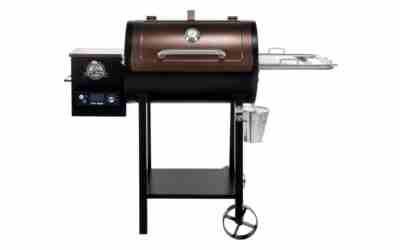
- Want hands-off cooking: pellet smoker. You set a temperature and an auger feeds wood pellets. It needs an electrical outlet.
- Want the lowest effort at a low price: electric smoker. It is the simplest to run, with the mildest smoke flavor.
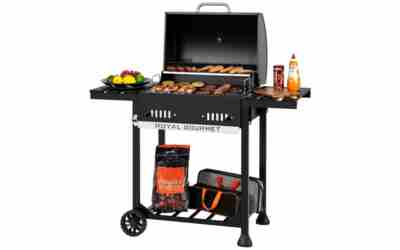
- Want the best flavor for the money: charcoal bullet (vertical) smoker. It is cheap to buy, but you manage vents and fuel.
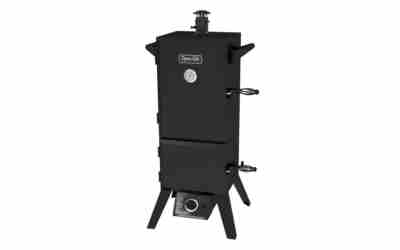
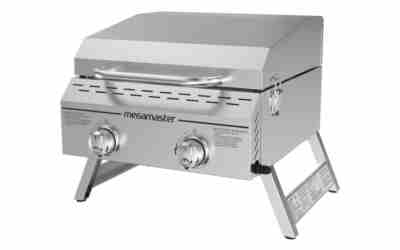
- Have no outlet and want a fast start: propane smoker. It can go from cold to cooking in about 15 minutes.
- Want one cooker for smoking, grilling and searing: a kamado, or a pellet grill with a sear option.
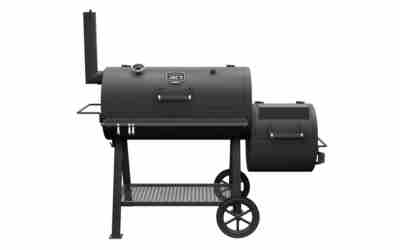
- Want to learn fire management and cook for crowds, with $1,000 or more to spend: offset smoker. It has the steepest learning curve.
If you want specific models, our best smoker for beginners roundup narrows these types down.
Common mistake: buying more cooker than you need. A household of two to four that smokes ribs and chicken a couple of times a month rarely needs a huge offset or a giant pellet grill. Bigger units burn more fuel, take longer to heat and cost more. Buy for the cook you do twice a month, not the party you might throw once a year.
How do pellet, electric, propane, charcoal, offset and kamado smokers compare?
Prices below are rough starting points. They change with brand, size and season, so check current listings.
| Type | Ease | Smoke flavor | Fuel and power | Rough budget |
|---|---|---|---|---|
| Pellet | Easy | Mild to moderate | Wood pellets plus an outlet | Entry units from about $400 |
| Electric | Easiest | Mildest | Outlet plus wood chips | About $200 to $500 |
| Propane | Easy | Mild to moderate | Propane tank plus wood chips or chunks | About $200 to $500 |
| Charcoal bullet | Moderate | Strong | Charcoal plus wood chunks, no power | About $200 to $500 |
| Offset | Hardest | Strongest | Charcoal and wood splits, no power | Decent ones often $1,000 and up |
| Kamado | Moderate | Good | Lump charcoal, no power | Wide range, many near $1,000 or more |
Most guides rank flavor from offset and charcoal at the top, then pellet, then electric and propane. The gap shrinks with good wood and steady temperatures, and taste is personal. Plenty of people are happy with pellet smoke.
Pellet grills typically run from about 160°F to 500°F, so they also roast and grill. If that appeals to you, see our best pellet smoker grills. If you would rather spend less and tend a fire, a vertical charcoal smoker is the classic first step.
How much cooking space do you need?
Size by what you cook most often, not by the square-inch number on the box. A rough planning rule is 2/3 to 1 pound of raw brisket or pork butt per adult, because meat loses about half its weight during a long cook. For ribs, plan about half a rack per adult.
Worked example: for 10 adults at 2/3 to 1 lb each, you need roughly 7 to 10 lb of raw meat. That is one 8 to 10 lb pork butt. For 20 adults, plan 14 to 20 lb, or two butts side by side with room for airflow.
- Cooking for 2 to 4: a compact smoker handles a butt or two to three racks of ribs. Ribs often need to be cut in half or rolled.
- Cooking for 5 to 8: look for two real grates or a roomy single grate. Check that a butt, which is several inches thick, fits between racks.
- Cooking for a crowd: bigger pellet units, offsets and large cabinet smokers. This is where capacity pays off.
Brisket trap: a full packer brisket often weighs 12 to 16 lb, and many smaller cookers and most electric smokers cannot hold it flat without trimming or cutting it. Check the actual width and depth of each grate and the gap between racks. Square-inch ratings often add up stacked grates and overstate usable space.
What does each type demand in practice?
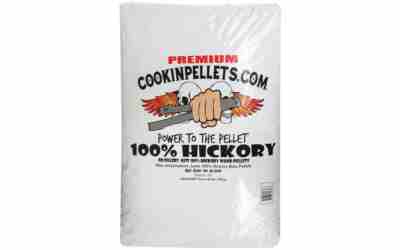
- Pellet: needs a 120V outlet for the fan and auger. A 20 lb bag of pellets costs about $20 and lasts roughly 16 hours at 225°F, though wind and cold burn more. Little babysitting.
- Electric: needs an outlet and a dry spot. Thin-walled units can struggle to hold heat in cold or wind, so a windbreak or insulated blanket (if the maker allows it) helps.
- Propane: no power needed. Keep a spare tank and check the fuel level about every 30 minutes on long cooks.
- Charcoal bullet: no power. Expect to adjust vents and add fuel every few hours, depending on the model and weather.
- Offset: no power, but it can take about an hour to come up to temperature and needs regular fire feeding. If this appeals, start with our best offset smoker under $1,000, and expect to spend more for thick steel and tight seals.
- Kamado: well insulated, so it holds temperature in cold weather and uses fuel slowly. It is heavy. Many weigh well over 100 lb, so plan on two people to move or lift it.
Check your living situation first. Many apartments and HOAs ban charcoal or open flame on balconies, and some limit propane. Electric units are sometimes allowed where charcoal is not, but read your lease and local rules.
What are the safety basics for smoking food?
- Carbon monoxide: never run a charcoal, gas or pellet smoker in a garage, shed, porch or any enclosed space. Keep it outdoors with open air around it.
- Placement: keep it well away from the house, deck rails, fences and overhanging branches. Many manuals call for at least 10 feet from structures, but follow your model’s instructions and local code.
- Grease and fire: clean grease from drip pans and the cook chamber regularly. Grease fires start in buildup.
- Ash: let ashes cool fully, often a full day, then dispose of them in a metal container with a lid, away from the house.
- Propane: check hoses and connections for leaks, store tanks upright and outdoors, and never store them in the house or garage.
- Electric and pellet units: use a GFCI-protected outdoor outlet, keep cords dry and off the ground, and do not use damaged cords.
- Food safety: use a thermometer. USDA minimums are 165°F for poultry and 160°F for ground meat. Whole cuts of beef and pork are safe at 145°F with a 3 minute rest. Brisket and pork butt are taken higher, around 195 to 205°F, for tenderness. Do not leave cooked food between 40°F and 140°F for more than 2 hours.
What should you buy after the smoker?
Budget for these basics, not just the cooker itself:
- Instant-read thermometer: the only reliable way to confirm doneness.
- Leave-in probe thermometer: tracks meat and smoker temperatures, since built-in lid gauges are often off.
- Fuel: pellets, charcoal, wood chunks or propane, matched to your type. Buy a first bag and learn how fast you burn it before stocking up.
- Chimney starter and heat-resistant gloves: for charcoal and offset users.
- Cover and drip-pan liners: they protect the finish and make cleanup faster.
- Extension cord or spare tank: for electric, pellet and propane units. Use an outdoor-rated cord sized for the load, per the manual.
Quick decision check: if you can answer yes to “I’ll cook at least twice a month,” “I have an outlet or tank plan” and “it fits my space and rules,” you have the right type. Then pick size by the worked example above.
Our Top Picks
Ready to shop? These are the top-rated options from our hands-on roundup, Best Electric Smokers For Beginners of 2026.

EAST OAK 30" Electric Smoker 725 sq in

EAST OAK 30" Electric Smoker 725 sq in

Masterbuilt 30-inch Analog Electric Smoker 535 sq in
As an Amazon Associate we earn from qualifying purchases. Product prices and availability are accurate as of the date/time indicated.
Frequently Asked Questions
Are pellet smokers worth it compared to charcoal?
Pellet smokers are worth it if you value steady temperatures and low effort over maximum smoke flavor. They cost more up front and need an outlet. Charcoal costs less and gives stronger smoke, but you tend vents and fuel.
Is an electric or propane smoker better?
Electric is simpler and steadier but needs an outlet and can struggle in cold, windy weather. Propane works anywhere you can place a tank and heats up fast, but you must watch the fuel level. Flavor is mild on both.
Can I use a smoker on an apartment balcony?
Often not. Many leases, HOAs and local fire codes ban charcoal or open-flame cooking on balconies, and some restrict propane. Electric units are sometimes allowed. Check your lease and local rules first, and never use any smoker indoors or in a garage.
What type of smoker is best under $500?
Under $500, the usual choices are charcoal bullet, propane and electric smokers. Charcoal gives the strongest flavor, electric is easiest, and propane needs no outlet. Avoid budget offsets, which often leak heat and are hard to control.
{“@context”: “https://schema.org”, “@type”: “FAQPage”, “mainEntity”: [{“@type”: “Question”, “name”: “Are pellet smokers worth it compared to charcoal?”, “acceptedAnswer”: {“@type”: “Answer”, “text”: “Pellet smokers are worth it if you value steady temperatures and low effort over maximum smoke flavor. They cost more up front and need an outlet. Charcoal costs less and gives stronger smoke, but you tend vents and fuel.”}}, {“@type”: “Question”, “name”: “Is an electric or propane smoker better?”, “acceptedAnswer”: {“@type”: “Answer”, “text”: “Electric is simpler and steadier but needs an outlet and can struggle in cold, windy weather. Propane works anywhere you can place a tank and heats up fast, but you must watch the fuel level. Flavor is mild on both.”}}, {“@type”: “Question”, “name”: “Can I use a smoker on an apartment balcony?”, “acceptedAnswer”: {“@type”: “Answer”, “text”: “Often not. Many leases, HOAs and local fire codes ban charcoal or open-flame cooking on balconies, and some restrict propane. Electric units are sometimes allowed. Check your lease and local rules first, and never use any smoker indoors or in a garage.”}}, {“@type”: “Question”, “name”: “What type of smoker is best under $500?”, “acceptedAnswer”: {“@type”: “Answer”, “text”: “Under $500, the usual choices are charcoal bullet, propane and electric smokers. Charcoal gives the strongest flavor, electric is easiest, and propane needs no outlet. Avoid budget offsets, which often leak heat and are hard to control.”}}]}