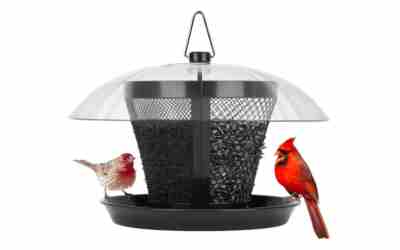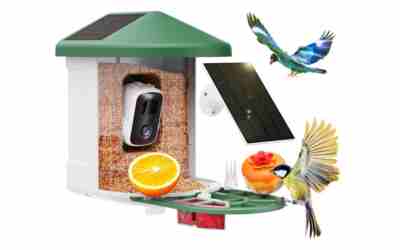

Yes, it is safe to feed birds as long as you clean feeders every two weeks, offer fresh food and stop feeding when sick birds appear.
What are the real risks of feeding birds?
Feeding is not risk-free, and it is not harmful by default. A UK review based on RSPB research found strong evidence that feeding can spread diseases such as trichomonosis, yet it can also help birds when natural food is scarce. The risk comes from crowding and dirty surfaces, not from the seed itself.
Feeder-related diseases named by Virginia’s wildlife agency include:
- Salmonellosis: spread through droppings on feeders and ground seed.
- Mycoplasma conjunctivitis (finch eye disease): swollen, crusty eyes, mostly in house finches.
- Trichomoniasis: affects doves, pigeons and finches.
- Aspergillosis: a fungal lung disease linked to moldy seed.
- Avian pox: wart-like growths on the skin.
Other risks are window strikes, cats, rodents and, in some regions, bears. The sections below cover each one.
How to clean feeders so they do not spread disease
Clean seed feeders at least every two weeks, per Clemson’s Home and Garden Information Center. Project FeederWatch guidance, relayed by Audubon, says to double the frequency if you suspect disease. Clean sooner after rain, heavy use or dead birds nearby.
- Put on gloves and work outdoors or in a laundry sink, not the kitchen sink.
- Empty old seed and scrub off droppings and hulls with a brush.
- Soak about 10 minutes in a 10% bleach solution: 1 part bleach to 9 parts water (Clemson). Diluted hydrogen peroxide is another option Clemson lists.
- Rinse thoroughly with clean water.
- Let it dry completely before refilling, since damp seed molds quickly.
- Wash your hands when done.
Feeders that come apart easily and drain well are far simpler to scrub. Our guide on how to clean a bird feeder covers the details by feeder type.
Safe and unsafe bird foods
Bad food causes harm quicker than most diseases. Use this chart as a quick filter.
| Food | Verdict | Why |
|---|---|---|
| Black oil sunflower seed | Safe | High fat, widely eaten, fresh and dry |
| Plain suet | Safe | Good winter energy; keep it cool in hot weather |
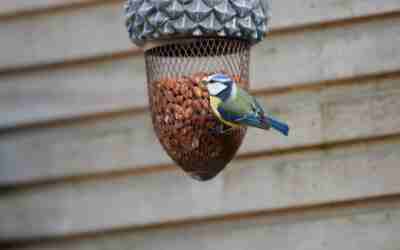
| Unsalted nuts | Safe | Choose fresh, unsalted nuts only |
| White sugar and water nectar | Safe | Use plain sugar and water only |
| Bread | Avoid | High in carbohydrates, low in protein, fat, vitamins and minerals (Wildlife Trusts) |
| Moldy or wet seed | Never | Fungi can harm birds; discard it |
| Salted snacks | Never | Salt is harmful to small birds |
| Honey or red dye in nectar | Never | Honey can ferment and grow mold; dye is unnecessary |
Moldy peanuts can also carry aflatoxin, so buy peanuts from a reputable seller meant for wild birds.
Seed storage and hummingbird nectar
Store seed in a metal or hard plastic bin with a tight lid, in a cool, dry place. This keeps out moisture, mold and rodents. Buy amounts you will use in a few weeks, and toss anything clumped, musty or damp.
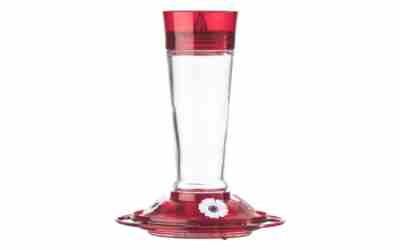
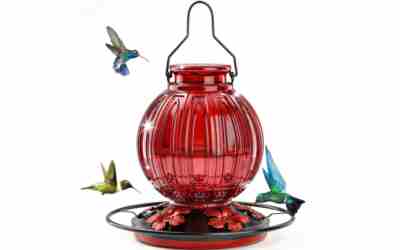
Hummingbird feeders need their own schedule. Clemson advises replacing sugar water about twice a week, because nectar spoils and ferments. Rinse the feeder each time and give it the same bleach-and-rinse treatment as seed feeders when it looks cloudy or black spots appear. If you are new to nectar feeding, see our picks for hummingbird feeders.
Placement and setup that lower the risk
Small setup changes cut disease, collisions and predators.
- Window strikes: place feeders either within about 3 feet of a window or more than 30 feet away, a rule of thumb from bird conservation groups. Decals or exterior screens help too.
- Cats: keep feeders away from dense shrubs where cats can hide, and keep pet cats indoors.
- Rodents: rake up hulls and spilled seed often, and bring in tray feeders at night if mice are a problem.
- Bears: in bear country, many state wildlife agencies advise taking feeders down in spring through fall. Check your state’s rules.
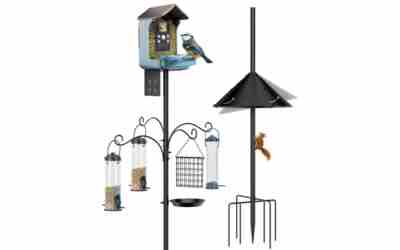
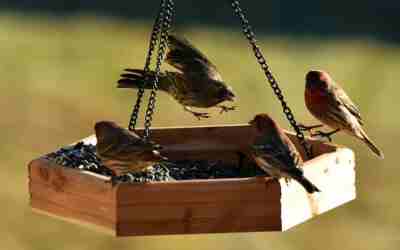
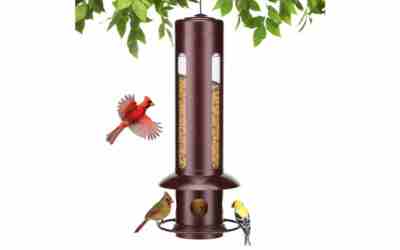
- Crowding: use tube feeders with small perches rather than open trays, and space several feeders apart so birds do not pile up.
A baffle also keeps squirrels and larger animals off the seed; our guide to choosing a bird feeder explains feeder styles that stay cleaner.
Is feeding birds safe for people and pets?
The risk to people is low but real. Salmonella from droppings can spread to hands, so wear gloves when cleaning, wash hands afterward and keep feeders out of the kitchen sink. Do not let young children handle feeders or fallen birds.
Keep dogs and cats from eating spilled seed, droppings or dead birds. Cats that catch sick birds can pick up infections, which is another reason to keep them indoors. Bag old seed and hulls and put them in the trash rather than a compost pile with pets nearby.
When to stop feeding birds and where to check
Pause feeding if you see several birds that look fluffed up, lethargic, with swollen or crusty eyes, or dead birds near your feeder. Sequoia Audubon advises leaving feeders and bird baths down for at least one month after the last sick or dead bird is seen. Clean everything before putting it back.
Songbirds are not commonly infected with avian flu (HPAI), according to Clemson, but follow local advice, especially if you keep backyard poultry. Check your state wildlife agency or state department of agriculture for current notices. Do not touch sick or dead birds with bare hands. Call a licensed wildlife rehabilitator or your state wildlife agency for guidance. If you are unsure about timing in your area, see when to start feeding birds.
Our Top Picks
Ready to shop? These are the top-rated options from our related roundup, Best Bird Seed Storage Container of 2026.
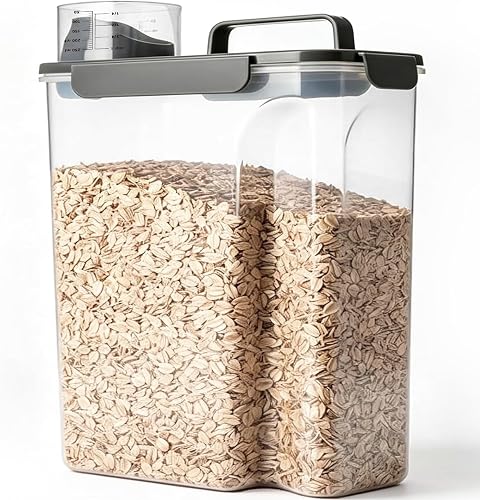
Komzon 20 LB Rice Storage Container

Komzon 10lb Airtight Rice Container

Candco Bird Seed Storage Container 5 lbs Metal Canister
As an Amazon Associate we earn from qualifying purchases. Product prices and availability are accurate as of the date/time indicated.
Frequently Asked Questions
Can I get sick from a bird feeder?
Yes, though it is uncommon. Salmonella from droppings can reach your hands during cleaning. Wear gloves, wash your hands afterward and clean feeders outside or in a laundry sink to keep the risk low.
Is bread bad for birds?
Yes. Bread is high in carbohydrates and low in protein, fat, vitamins and minerals, and moldy bread can carry fungi that harm birds. Offer black oil sunflower seed, suet or unsalted nuts instead.
Can I use vinegar instead of bleach to clean feeders?
Vinegar can remove grime but is not the disinfectant that Clemson recommends. Use the 10% bleach solution or hydrogen peroxide for disinfecting, and scrub and rinse well either way.
What should I do if I find a dead bird near my feeder?
Do not touch it with bare hands. Wear gloves or use a bag to dispose of it, wash your hands, then clean the feeder. If several birds are dead, report it to your state wildlife agency.
{“@context”: “https://schema.org”, “@type”: “FAQPage”, “mainEntity”: [{“@type”: “Question”, “name”: “Can I get sick from a bird feeder?”, “acceptedAnswer”: {“@type”: “Answer”, “text”: “Yes, though it is uncommon. Salmonella from droppings can reach your hands during cleaning. Wear gloves, wash your hands afterward and clean feeders outside or in a laundry sink to keep the risk low.”}}, {“@type”: “Question”, “name”: “Is bread bad for birds?”, “acceptedAnswer”: {“@type”: “Answer”, “text”: “Yes. Bread is high in carbohydrates and low in protein, fat, vitamins and minerals, and moldy bread can carry fungi that harm birds. Offer black oil sunflower seed, suet or unsalted nuts instead.”}}, {“@type”: “Question”, “name”: “Can I use vinegar instead of bleach to clean feeders?”, “acceptedAnswer”: {“@type”: “Answer”, “text”: “Vinegar can remove grime but is not the disinfectant that Clemson recommends. Use the 10% bleach solution or hydrogen peroxide for disinfecting, and scrub and rinse well either way.”}}, {“@type”: “Question”, “name”: “What should I do if I find a dead bird near my feeder?”, “acceptedAnswer”: {“@type”: “Answer”, “text”: “Do not touch it with bare hands. Wear gloves or use a bag to dispose of it, wash your hands, then clean the feeder. If several birds are dead, report it to your state wildlife agency.”}}]}