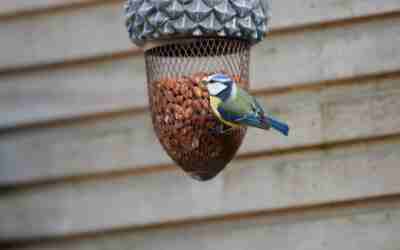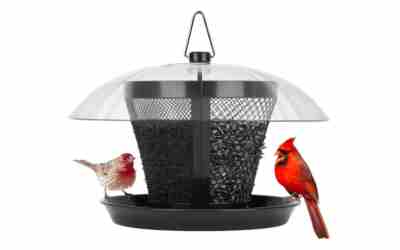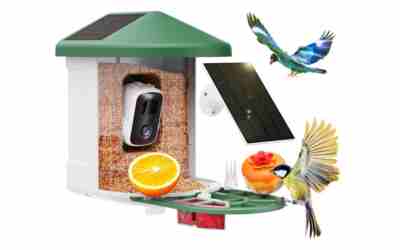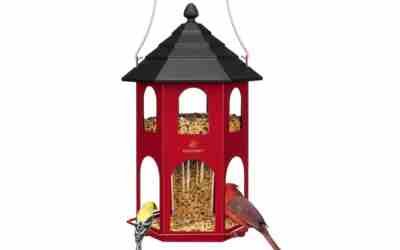

The best time to start feeding birds in most of the US is late October to November, or two to four weeks before your first hard frost, when frost and snow cut into wild seeds and insects. Begin in September to help fall migrants, or feed year-round if you keep feeders clean. In bear country, wait for your state wildlife agency’s go-ahead.
When to start feeding birds: the short answer
You can start any time of year. Birds don’t depend on feeders, and Audubon notes that feeding doesn’t keep birds from migrating. Timing mainly affects how useful your feeder is and how many risks you take on.
Three triggers tell you it’s time:
- Early to mid September: migrants are passing through and refueling. Optional, but rewarding.
- First hard frost, first snow or frozen ground: natural food gets harder to find. This is the most common starting point.
- Late October to November: the standard answer for most of the country, and the date to hit if you only plan one start.
Cornell Lab of Ornithology says birds benefit most on the coldest, snowiest days. Have feeders filled before the first big storm, not during it.
One rule matters more than the date: once you start in winter, keep going. Birds learn your yard as a reliable stop, so don’t let feeders sit empty for weeks in cold weather.
What start date fits your region?
Fixed calendar dates don’t work across the US. A feeder in Georgia and one in Minnesota face very different seasons. Use the table as a starting range, then adjust to your local first-frost date (your county extension office can tell you the average).
| Region | Typical start | Watch for |
|---|---|---|
| Northern states and mountains (New England, Upper Midwest, Rockies) | Late October to November; September if you want migrants | Bears are active until they den. Agencies often advise waiting until bears den, so check local rules. |
| Mid-Atlantic, Ohio Valley, central Plains, Pacific Northwest | October to November | Mild spells can bring wet, moldy seed. Clean more often. |
| Southeast and Gulf Coast | November to December, or year-round | Heat spoils seed, nectar and suet fast. Bears live in parts of Florida, the Carolinas and Appalachia. |
| Southwest and low-elevation California | October to November, or year-round | Offer shade and fresh water. Suet melts early. |
| Alaska and high elevations | September to October | Snow can arrive early. Wildlife agencies often advise waiting until bears den before feeding, so check local rules first. |
These ranges are approximate and vary by elevation and local climate. As a rough rule of thumb (not an official standard), have feeders up two to four weeks before your average first hard frost. That gives birds time to find them before food gets scarce.
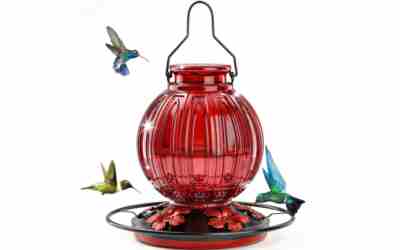
Hummingbirds follow a different clock. Put nectar feeders out about one to two weeks before the first birds usually show up in your area, which ranges from roughly March on the Gulf Coast to May in the north. Our hummingbird feeder roundup covers what to look for.
Our top picks: starter feeders for your first season
You don’t need a yard full of gear. Two simple feeder types cover most of what birds need in the first season:
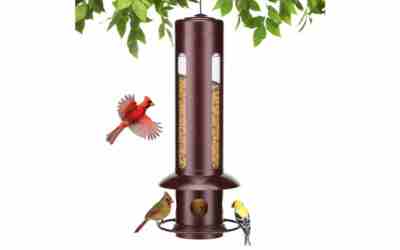
- Black oil sunflower tube feeder: the easiest first feeder, since most seed-eating birds take black oil sunflower. Choose one with sturdy perches and ports that are easy to take apart and clean.
- Suet feeder: a wire cage that holds a suet cake. It adds high-fat food for cold snaps. Take it down when highs stay above about 70°F.
Not sure which style fits your birds? Our guide on how to choose a bird feeder walks through the options, and our finch feeder picks cover small-seed designs.
What should you feed at each stage?
Match the food to the season and temperature. Black oil sunflower is the safest single choice because most seed-eating birds take it.
| Stage | Offer | Notes |
|---|---|---|
| Early fall (September to October) | Black oil sunflower; nectar if hummingbirds are still passing | Keep nectar out for about two weeks after you last see a hummingbird, so late migrants can still refuel. |
| Late fall and winter | Black oil sunflower, suet, shelled peanuts, sunflower hearts | High-fat foods help most in cold snaps. |
| Finch season | Nyjer or sunflower chips | Use a feeder built for small seed. |
| Spring and summer | Nectar, sunflower, mealworms if you choose | Skip suet when highs stay above about 70°F. It melts and turns rancid. |
For hummingbird nectar, mix one part plain white sugar with four parts water. Skip red dye and never use honey or artificial sweeteners. In warm weather, change nectar every few days, and daily in the 90s. Mold means the feeder needs a full cleaning.
How long until birds find a new feeder?
Expect anywhere from a few days to about two weeks. In a yard with few trees or few birds nearby, it can take longer. Don’t judge a new feeder before the third week.
To speed it up:
- Use black oil sunflower first. It has the widest appeal.
- Place feeders near cover. A shrub or tree within roughly 10 feet gives birds a quick escape from hawks.
- Keep window strikes in mind. Feeders within about 3 feet of a window reduce collision speed, and those beyond 30 feet are less of a hazard. Decals or screens on the glass also help.
- Add water. A shallow birdbath draws birds that ignore seed, and it matters in freezing weather if you keep it ice-free.
- Don’t keep moving it. Pick a spot and give birds time.
- Scatter a little seed on a tray or the ground near the feeder at first.
If nothing shows up after three weeks, check for a neighborhood cat, stale seed, or a feeder too far from cover. Our feeder-choosing guide can help you match the feeder type to the birds you want.
When should you stop or pause feeding birds?
There are three good reasons to stop: spring weather, bears and disease. Otherwise, year-round feeding is fine if you keep things clean.
Spring
Most people stop between mid-March and the end of April, when insects, buds and seeds return. Tapering off is optional. Where bears are active, it’s not.
Bears
Bears are drawn to seed and suet, and a bear that learns your yard is a danger to people and often ends up killed. Rules differ by state, so check your state wildlife agency before you start.
- In bear country, wait until November or later. Some agencies say to feed only after bears den.
- Take feeders down in spring when bears emerge, often March to April depending on elevation.
- Bring feeders inside at night, and store seed in a sealed container indoors, not in the shed or garage.
- If a bear visits, take feeders down right away and keep them down until it moves on.
Raccoons are a smaller version of the same problem. See how to keep raccoons away from bird feeders.
Disease outbreaks
Crowded feeders can spread illnesses such as salmonellosis and finch eye disease. If you see lethargic, fluffed-up birds or birds with swollen, crusted eyes, take down all feeders and baths. Clean them, then wait the length of time your state wildlife agency recommends (often about two weeks) before putting them back. Report sick birds to the agency if it asks.
Hot weather
You don’t have to stop in summer, but suet, wet seed and nectar spoil quickly. Fill smaller amounts and clean more often.
First-week setup checklist
- Check local rules. Look up your state wildlife agency’s bear and disease advice before buying anything.
- Pick your start date. Use the table above and your first-frost date.
- Buy fresh black oil sunflower seed. Start with one or two feeders, not five.
- Choose the spot. Near cover, very close to windows or well beyond 30 feet from them, and out of reach of cats.
- Wash new and used feeders. Our step-by-step feeder cleaning guide shows the method. Use 1 part bleach to 9 parts water, scrub, rinse well and let the feeder dry fully before filling.
- Fill only what birds will eat in a few days. Wet or moldy seed is a disease risk.
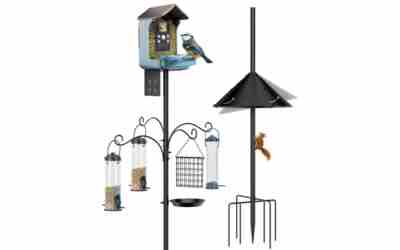
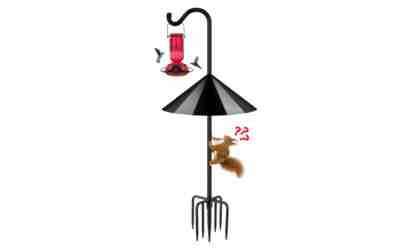
- Protect the pole. A squirrel baffle keeps seed from vanishing in a day.
- Set a cleaning schedule. See how often to clean a bird feeder. A common guideline is every two weeks, and more often in wet or warm weather.
Bleach safety: wear gloves, work outdoors or in a ventilated space, and never mix bleach with ammonia or vinegar. Rinse until there is no bleach smell.
Common mistake: filling a feeder in November, then letting it empty in January. Birds that rely on your yard on cold days will move on, so refill on a regular schedule.
Our Top Picks
Ready to shop? These are the top-rated options from our hands-on roundup, Best Clear Window Bird Feeder of 2026.

Nature's Hangout Window Bird Feeder 12x4x5 in Acrylic

DY-SKTY Clear Window Bird Feeder with 5 Suction Cups

Jarkyfine Window Bird Feeder with Strong Suction Cups
As an Amazon Associate we earn from qualifying purchases. Product prices and availability are accurate as of the date/time indicated.
Related reading: Nature Gear Clear Acrylic Window Bird Feeder Review 2026 · FEED GARDEN Squirrel Proof Bird Feeder Pole Review 2026
Frequently Asked Questions
Will feeding birds in fall stop them from migrating?
No. Migration is triggered mainly by day length and instinct, not food supply. Audubon says feeders don’t keep birds from migrating. Feeders can give passing migrants a useful meal, and they help birds that stay all winter.
Is it too late to start feeding birds in January or February?
No. Late winter is a high-need time, and birds will find a new feeder within days to a couple of weeks. Offer black oil sunflower and suet, and keep feeders full through cold snaps until spring.
Does feeding birds attract rats?
It can, mainly when seed spills and sits on the ground or is stored in open containers. Use a tray or seed catcher, sweep up hulls and spilled seed often, and keep seed in sealed metal or hard plastic containers indoors. If you see rodents, take feeders down until they are gone.
Should I stop feeding if I’m going away for a week?
A week is generally fine in mild weather because birds have natural food. In deep winter, ask a neighbor to refill, or taper off before you leave. Don’t leave nectar or wet seed to spoil while you’re gone.
{“@context”: “https://schema.org”, “@type”: “FAQPage”, “mainEntity”: [{“@type”: “Question”, “name”: “Will feeding birds in fall stop them from migrating?”, “acceptedAnswer”: {“@type”: “Answer”, “text”: “No. Migration is triggered mainly by day length and instinct, not food supply. Audubon says feeders don’t keep birds from migrating. Feeders can give passing migrants a useful meal, and they help birds that stay all winter.”}}, {“@type”: “Question”, “name”: “Is it too late to start feeding birds in January or February?”, “acceptedAnswer”: {“@type”: “Answer”, “text”: “No. Late winter is a high-need time, and birds will find a new feeder within days to a couple of weeks. Offer black oil sunflower and suet, and keep feeders full through cold snaps until spring.”}}, {“@type”: “Question”, “name”: “Does feeding birds attract rats?”, “acceptedAnswer”: {“@type”: “Answer”, “text”: “It can, mainly when seed spills and sits on the ground or is stored in open containers. Use a tray or seed catcher, sweep up hulls and spilled seed often, and keep seed in sealed metal or hard plastic containers indoors. If you see rodents, take feeders down until they are gone.”}}, {“@type”: “Question”, “name”: “Should I stop feeding if I’m going away for a week?”, “acceptedAnswer”: {“@type”: “Answer”, “text”: “A week is generally fine in mild weather because birds have natural food. In deep winter, ask a neighbor to refill, or taper off before you leave. Don’t leave nectar or wet seed to spoil while you’re gone.”}}]}