
Yes, you should fertilize tomato plants in most gardens, starting around first flowers, though tomatoes in rich in-ground soil need far less than potted ones.
Do tomato plants really need fertilizer?
Tomatoes are heavy feeders. They grow a large plant and ripen fruit over many weeks, which draws down soil nutrients. Most gardens benefit from at least two feedings per season.
Decision rule: if the plant is potted, feed it. If it is in the ground or a raised bed, feed it only after a soil test, or after the plant shows pale, slow growth despite good watering.
You can skip or delay fertilizer in these cases:
- You dug in several inches of finished compost before planting and the plants are growing steadily.
- Your soil test shows high nitrogen, phosphorus and potassium.
- The plants are already deep green and lush but have not flowered. They need time or less nitrogen, not more food.
- It is the day you transplant. New roots are tender and fertilizer can burn them.
Test your soil and pH before you feed
A soil test tells you what is actually missing, so you are not guessing. It also shows pH. Tomatoes grow best at a pH of about 6.0 to 6.6. If pH is outside that range, nutrients can be in the soil but locked up, and adding more fertilizer will not help. Correct the pH first, using the lime or sulfur amounts the lab recommends.
To get a test:
- Contact your county Cooperative Extension office or state university soil lab. Many accept mailed samples for a small fee.
- Collect soil from several spots in the bed, 4 to 6 inches deep, and mix it in a clean bucket.
- Fill the sample bag or box as instructed, and say you are growing tomatoes.
- Follow the lab’s recommended rates, or your extension office’s local guidance, over any generic chart.
Potting mix does not need a pH test the same way. Most bagged mixes are already adjusted for container plants, so feeding on schedule matters more there.
When to fertilize tomato plants, stage by stage
Timing matters more than the product. Early feeding builds the plant, and later feeding supports flowers and fruit.
| Stage | Feed? | What to do |
|---|---|---|
| Seedlings in trays (2-3 sets of true leaves) | Yes, lightly | Use a liquid feed diluted to half the label strength for the first few feedings. |
| Transplant day | No fertilizer | Mix compost into the planting hole or bed instead. |
| About 1 month after planting, or first flowers | Yes | Give the first full feeding. Mix slow-release granules into the top 1-2 inches of soil, or start liquid feeds. |
| First fruit set | Yes | Switch to a blend with less nitrogen and more phosphorus and potassium. |
| Flowering through harvest | Container plants yes; in-ground only if growth lags | Liquid feeds go on about every other week until harvest begins. Slow-release products follow the label interval. |
| Late season | No | Skip late feeding, which pushes leaves rather than ripening fruit. |
For granules, keep them off the stem, scratch them into the soil surface, and water them in. Always water the plant before applying liquid fertilizer, because dry roots burn more easily.
What the N-P-K numbers mean and what to buy
The three numbers on the bag are the percentages of nitrogen (N), phosphorus (P) and potassium (K). Nitrogen drives leaves and stems. Phosphorus supports roots and flowers. Potassium supports fruit quality and overall plant health.
That is why the right blend changes over the season:
- Early growth: a balanced 10-10-10 or a 10-5-5 builds a strong plant.
- Flowering and fruiting: a 5-10-10 blend, with phosphorus and potassium higher than nitrogen.
- Organic options: chicken manure products around 5-3-2 suit early growth. A 3-6-4 organic blend suits flowering and fruiting. Compost and worm castings add mild, slow nutrition. Bone meal adds phosphorus.
Avoid lawn fertilizers. Their high nitrogen grows leaves, and weed-and-feed products can damage or kill tomatoes. Take the application rate from the product label or your extension office, because strengths differ widely between brands.
Wear gloves with manures and bone meal, wash your hands and produce afterward, and store all fertilizer where children and pets cannot reach it.
Fertilizing tomatoes in pots vs in-ground beds
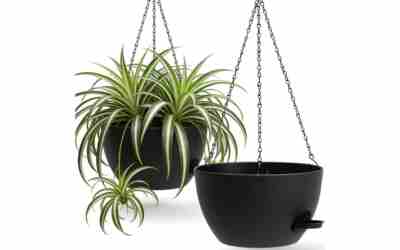
Containers hold limited soil, and every watering flushes some nutrients out through the drainage holes. Potted tomatoes run out of food faster than plants in the ground, so they need regular feeding. A pot with slow-release granules mixed in at planting still needs a liquid top-up at flowering. Large, deep pots hold more nutrients and moisture, which makes feeding steadier. See our guide to planters that suit tomatoes for sizing ideas.
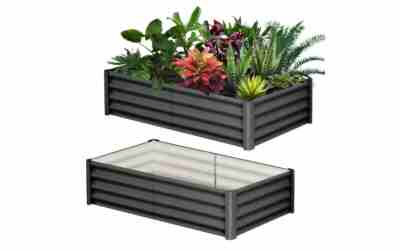
In-ground and raised-bed tomatoes draw on a bigger reservoir. Compost-rich soil may carry a plant through the season with one mid-season side-dressing. Raised beds filled with a purchased soil mix sit in between, since they drain well but hold plenty of organic matter. If you are building or refilling one, the best soil for tomatoes in raised beds explains what to mix.
Worked example (typical timeline): you transplant a potted tomato on May 1 with no fertilizer. Around June 1, when flowers appear, you start a liquid feed every other week. That comes to feedings on June 1, June 15 and June 29, and so on until harvest begins. A bed tomato planted the same day, in soil tested as adequate, might get one side-dressing at first fruit set and nothing else.
Signs of too little or too much fertilizer
Read the plant before you add more. Several fertilizer-looking problems come from water or pH.
| Symptom | Likely cause | Fix |
|---|---|---|
| Pale, spindly growth, older leaves yellowing | Too little nitrogen | Apply a balanced feed at label rate and keep watering regular. |
| Deep green, bushy plant, few or no flowers | Too much nitrogen | Stop feeding, then use a low-nitrogen, high-phosphorus blend once flowers appear. |
| Pale yellow leaves with burned or curled edges | Overfertilizing | Water deeply to flush the soil and hold off feeding for several weeks. |
| Dark, sunken patch on the bottom of fruit (blossom end rot) | Uneven watering that blocks calcium uptake | Water consistently and mulch. Adding calcium rarely fixes it if the soil already has enough. |
| Poor growth despite feeding | Soil pH outside 6.0-6.6 | Test the soil and adjust pH to the lab recommendation. |
If you see burn symptoms, stop feeding first. Extra fertilizer on top of a burned plant makes it worse.
Related reading: The Best Plants for Flower Boxes of 2026 · The Best Plants for Concrete Planters of 2026
Our Top Picks
Ready to shop? These are the top-rated options from our related roundup, Best Soil For Tomatoes In Raised Beds of 2026.

Anleolife 8x4x2ft Oval Deep Root Galvanized Raised Garden Bed, 478 Gallon Extra Tall Metal Planter in Quartz Grey

Reachible 8x2x2FT Galvanized Raised Garden Bed, 24-Inch Deep Metal Planter Box with 32 Cu. Ft Capacity and Internal Support Rods

STMHOM 2-Pack Galvanized Raised Garden Beds, 6x3x1 FT Metal Planters with Safety Edges and Open Base for Vegetables and Flowers
As an Amazon Associate we earn from qualifying purchases. Product prices and availability are accurate as of the date/time indicated.
Frequently Asked Questions
Can I use lawn fertilizer on tomatoes?
No. Lawn fertilizers are high in nitrogen, which grows leaves instead of fruit, and weed-and-feed products can injure or kill tomato plants. Use a product labeled for tomatoes or vegetables, and follow its directions.
Can Epsom salt replace tomato fertilizer?
No. Epsom salt supplies magnesium and sulfur, not the nitrogen, phosphorus and potassium tomatoes mainly need. Use it only if a soil test or clear symptoms show a magnesium shortage.
Can I save a tomato plant I over-fertilized?
Usually yes. Stop feeding, water deeply several times to flush excess salts from the soil, and trim fully burned leaves. New growth should look healthier within a couple of weeks. Resume feeding lightly later.
Can I feed tomatoes and peppers the same fertilizer?
Yes. Both are fruiting vegetables with similar needs, so a tomato or vegetable fertilizer works for each. Follow the label rate for the container size or bed area for each plant.
{“@context”: “https://schema.org”, “@type”: “FAQPage”, “mainEntity”: [{“@type”: “Question”, “name”: “Can I use lawn fertilizer on tomatoes?”, “acceptedAnswer”: {“@type”: “Answer”, “text”: “No. Lawn fertilizers are high in nitrogen, which grows leaves instead of fruit, and weed-and-feed products can injure or kill tomato plants. Use a product labeled for tomatoes or vegetables, and follow its directions.”}}, {“@type”: “Question”, “name”: “Can Epsom salt replace tomato fertilizer?”, “acceptedAnswer”: {“@type”: “Answer”, “text”: “No. Epsom salt supplies magnesium and sulfur, not the nitrogen, phosphorus and potassium tomatoes mainly need. Use it only if a soil test or clear symptoms show a magnesium shortage.”}}, {“@type”: “Question”, “name”: “Can I save a tomato plant I over-fertilized?”, “acceptedAnswer”: {“@type”: “Answer”, “text”: “Usually yes. Stop feeding, water deeply several times to flush excess salts from the soil, and trim fully burned leaves. New growth should look healthier within a couple of weeks. Resume feeding lightly later.”}}, {“@type”: “Question”, “name”: “Can I feed tomatoes and peppers the same fertilizer?”, “acceptedAnswer”: {“@type”: “Answer”, “text”: “Yes. Both are fruiting vegetables with similar needs, so a tomato or vegetable fertilizer works for each. Follow the label rate for the container size or bed area for each plant.”}}]}