
To clean a pool, skim the surface, brush the walls and floor, vacuum, empty the baskets, check the filter, then test the water.
The order to clean a pool
Work from the top of the water down, and keep the pump running the whole time so loosened dirt gets pulled to the filter.
- Skim the surface with a leaf net on a telescopic pole. Removing leaves and bugs first keeps them from sinking and staining.
- Brush the walls, steps, ladder and waterline. Brushing knocks dirt and early algae loose so it can be vacuumed or filtered. Work toward the main drain.
- Vacuum the floor by hand or with an automatic cleaner.
- Empty the skimmer and pump baskets. Turn the pump off first.
- Check the filter pressure and clean the filter if it is due.
- Test the water and adjust only what the test shows is out of range.
The trap to avoid is vacuuming before brushing. Dirt you brush off after vacuuming just settles back onto the floor, and you will vacuum twice.
Pool cleaning schedule and weekly checklist
Most pools do well on this routine. Heavy tree cover, storms or a big swim party mean you should skim and empty baskets sooner.
| Task | How often |
|---|---|
| Skim the surface | Daily |
| Empty skimmer basket | Daily |
| Empty pump basket | Weekly |
| Brush walls, steps and waterline | Twice a week |
| Vacuum the floor | Weekly |
| Test the water | Weekly, and after heavy rain or heavy use |
Check the pump basket whenever you see weak return flow, since a packed basket starves the pump of water.
How to vacuum a pool manually or with an automatic cleaner
Manual vacuum
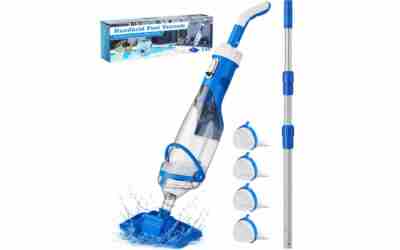
- Attach the vacuum head to the telescopic pole and the hose to the head.
- Lower the head into the water and feed the hose in, so water pushes all the air out. A hose with air in it makes the pump lose prime.
- Plug the hose end into the skimmer inlet or the dedicated vacuum port, following your pool’s setup.
- Move slowly in overlapping straight lines. Fast passes stir up fine dirt instead of capturing it.
Automatic cleaner
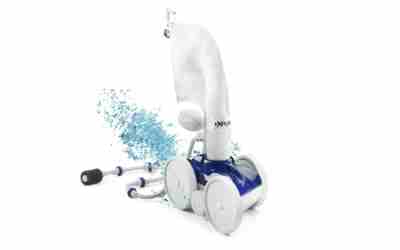
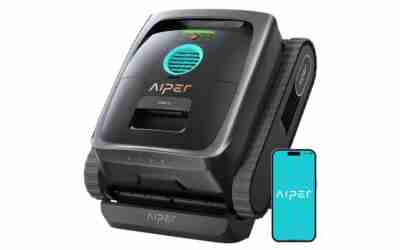
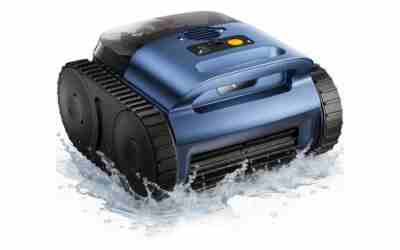
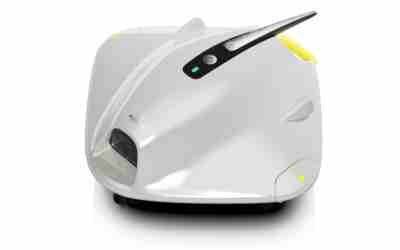
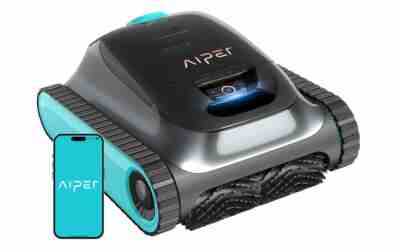
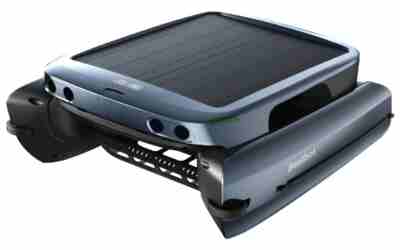
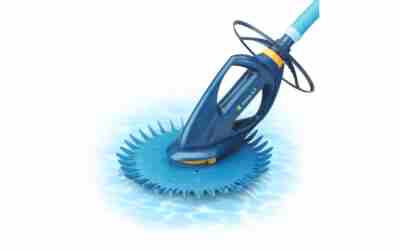
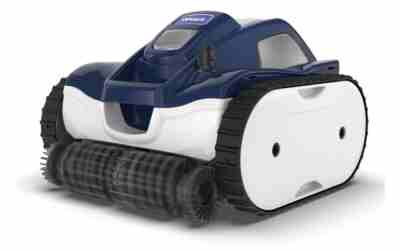
Suction cleaners connect to the skimmer line and use the pool pump. Pressure cleaners use a dedicated return line, and robotic cleaners run on their own power with a built-in filter. Place it in the water, let it fill and sink, then run its cycle. Automatic cleaners handle the floor well but still miss the waterline, so you still brush. If you are weighing the cost of moving to a robot, see are robotic pool cleaners worth it.
When to clean or backwash the pool filter
Note the pressure gauge reading right after a clean or backwash, and treat that as your baseline. Clean the filter when the gauge climbs about 8 to 10 psi above that baseline, or when return flow clearly drops. Your filter manual may give a different figure, so follow it if it does.
- Sand filter: turn the pump off, set the multiport valve to backwash, run until the sight glass runs clear, then rinse before returning to filter.
- DE filter: backwash the same way, then recharge with new DE in the amount your manual specifies.
- Cartridge filter: remove the cartridge and rinse between the pleats with a hose. Do not backwash it.
Always shut the pump off before touching a valve or opening the filter, and release trapped air pressure first.
Cleaning a green or cloudy pool
Test the water first, because cloudy water can come from low sanitizer, high pH or a tired filter, and each needs a different fix.
- Skim and brush the whole pool, including the walls and steps, to loosen algae.
- Test and correct pH so the sanitizer can work, since high pH weakens chlorine.
- Shock the pool using the dose on the product label and your pool volume. Never mix two chlorine products, and never mix chlorine with acid.
- Run the pump continuously and clean the filter as it clogs.
- Brush again and vacuum the dead material, using the waste setting if your system has one so it does not clog the filter.
If the water has not cleared after a few days of this, take a water sample to a pool store or call a pool professional. The cause may be a chemical issue that needs a lab-grade test.
Testing the water and running the pump
Dip the test kit sample from about elbow depth, away from the return jets, which can skew the reading. Common targets cited by pool suppliers are pH 7.2 to 7.6 and total alkalinity 80 to 120 ppm. Sources disagree slightly, and sanitizer targets depend on the stabilizer level in your water, so follow your test kit and the product label instead of guessing doses.
Fix total alkalinity before pH, since alkalinity buffers pH. Add chemicals to the water, never water to chemicals, wear gloves and goggles, and keep swimmers out until the label’s wait time passes.
For circulation, run the pump long enough to pass all of your pool’s water through the filter at least once a day. Your pump flow rate and pool volume set the exact hours. Power the pump from a GFCI-protected outlet.
Let a cleaner handle the floor
If vacuuming is the chore you skip, an automatic cleaner covers the floor between your brushing sessions. Pick one that fits your pool surface and size, and that has a filter you can empty easily. Our guide to the best electric pool cleaners lists options by those criteria.
Our Top Picks
Ready to shop? These are the top-rated options from our related roundup, Best Swimming Pool Vacuum Cleaners of 2026.

Zodiac G3 Suction-Side Inground Vacuum Pool Cleaner with 36-Fin Disc and Long-Life Diaphragm

Enhulk PC10 Cordless Handheld Pool Vacuum with 7.3ft Telescopic Pole, 60-Minute Runtime & 1.5h Fast Charging

Hayward Poolvergnuegen 2-Wheel Suction Pool Cleaner for In-Ground Pools up to 16 x 32 ft
As an Amazon Associate we earn from qualifying purchases. Product prices and availability are accurate as of the date/time indicated.
Frequently Asked Questions
Can I clean a pool without a vacuum?
Yes, for light debris. Skim the surface, brush the walls and floor so dirt reaches the filter, and scoop settled leaves with a deep net. Fine silt is harder to remove without a vacuum, so expect some to remain.
Can I vacuum a pool that is green with algae?
Yes, but only after brushing and shocking. Use the waste setting if your system has one, so dead algae bypasses the filter. Without it, the filter clogs fast and needs frequent cleaning.
Do I need to drain my pool to clean it?
No. Routine cleaning, algae treatment and cloudy water are all handled with the water in the pool. Draining can also damage some pool shells, so only do it when a professional advises it.
Can I swim right after shocking the pool?
No. Wait until chlorine and pH are back in the range your test kit and the shock product label specify. Test the water before anyone gets in.
{“@context”: “https://schema.org”, “@type”: “FAQPage”, “mainEntity”: [{“@type”: “Question”, “name”: “Can I clean a pool without a vacuum?”, “acceptedAnswer”: {“@type”: “Answer”, “text”: “Yes, for light debris. Skim the surface, brush the walls and floor so dirt reaches the filter, and scoop settled leaves with a deep net. Fine silt is harder to remove without a vacuum, so expect some to remain.”}}, {“@type”: “Question”, “name”: “Can I vacuum a pool that is green with algae?”, “acceptedAnswer”: {“@type”: “Answer”, “text”: “Yes, but only after brushing and shocking. Use the waste setting if your system has one, so dead algae bypasses the filter. Without it, the filter clogs fast and needs frequent cleaning.”}}, {“@type”: “Question”, “name”: “Do I need to drain my pool to clean it?”, “acceptedAnswer”: {“@type”: “Answer”, “text”: “No. Routine cleaning, algae treatment and cloudy water are all handled with the water in the pool. Draining can also damage some pool shells, so only do it when a professional advises it.”}}, {“@type”: “Question”, “name”: “Can I swim right after shocking the pool?”, “acceptedAnswer”: {“@type”: “Answer”, “text”: “No. Wait until chlorine and pH are back in the range your test kit and the shock product label specify. Test the water before anyone gets in.”}}]}