The right plant pot size is usually 1 to 2 inches wider than the current pot for small plants, and 2 to 4 inches wider for larger ones. Go bigger than that and the soil stays wet too long. Here’s how to match pot width, depth and volume to the plant you’re growing.
The basic rule: only go up a little
Measure the diameter of the plant’s current pot, then add a margin. For plants in pots under 10 inches wide, go up 1 to 2 inches. For plants in pots 10 inches or wider, go up 2 to 4 inches. That is the standard step for houseplants, patio plants and most perennials.
The reason for small steps is water. Roots can only drink from the soil they have reached. A small root ball in a huge pot sits surrounded by damp mix for days, and that is how root rot starts, especially in plants that like to dry out between waterings.
If you are planting a nursery plant into its permanent container, the same range works: 2 to 4 inches wider than the nursery pot for shrubs and perennials. Fast-growing annuals like petunias or sweet potato vine can go up to 4 to 6 inches wider, since they fill out within weeks.
Always choose a pot with drainage holes. A pot without them turns any sizing rule into guesswork, because water has nowhere to go.
Nursery pot gallons vs. pot diameter
Plant tags and growing advice often list gallons, while store pots are sold in inches. This table gives rough equivalents. Sizes vary by manufacturer and pot shape, so treat them as approximate and check the volume on the label when it matters.
| Volume | Typical top width | Good for |
|---|---|---|
| 1 gallon | 6 to 7 in | Small herbs, lettuce, succulents, young perennials |
| 2 gallons | 8 to 9 in | Basil, parsley, small annuals, compact houseplants |
| 3 gallons | 10 to 11 in | Flowering annuals, small peppers, larger herbs |
| 5 gallons | 12 to 13 in | Peppers, bush tomatoes, small shrubs |
| 10 gallons | 15 to 16 in | Larger tomatoes, dwarf fruit plants, hydrangeas |
| 15 to 20 gallons | 17 to 20 in | Big shrubs, small trees, ornamental grasses |
Ceramic and thick resin pots often have thick walls, so the inside is smaller than the outside measurement. Check inside dimensions if you can.
Pot size by plant type
Different plants root in different ways. Use these as minimums for a plant you want to keep for the whole season or longer.
Herbs and salad greens
- Lettuce, arugula, radishes: 6 to 8 inches deep, any width that gives you room to space them.
- Parsley, chives, thyme, oregano: 8 to 10 inch pot.
- Basil and rosemary: 10 to 12 inch pot. Rosemary hates wet soil, so do not overpot it.
- Mint: its own pot, 10 to 12 inches, because it spreads aggressively.
Vegetables
- Peppers and eggplant: 3 to 5 gallons.
- Bush or determinate tomatoes: 5 gallons at least.
- Vining or indeterminate tomatoes: 10 gallons or more, and 12 to 18 inches deep. Exact needs vary by variety, so check the seed packet or tag.
- Cucumbers and squash: 5 to 10 gallons with a trellis.
Flowers, shrubs and trees
- Annuals in a mixed container: 12 to 16 inches wide.
- Perennials: 2 to 4 inches wider than the nursery pot, then divide or move up every couple of years.
- Shrubs: 5 to 15 gallons depending on mature size.
- Small trees: 15 to 25 gallons, with a wide, heavy base so wind does not tip it.
Match the pot shape to the roots
Width and depth matter differently depending on how a plant grows.
Shallow, spreading roots (succulents, many herbs, pansies, strawberries) do better in wide, shallow pots, 6 to 8 inches deep. A tall narrow pot just gives them soil they cannot use. If you grow aloe, a heavy, wide-based pot also keeps it from tipping; see our picks for the best planters for aloe plants.
Tight, upright roots (snake plant, many houseplants) can live in a snug pot for years. They often do best slightly root-bound, and an oversized pot raises the rot risk. Our guide to the best planters for snake plant covers sizing for that plant specifically.
Deep taproots or heavy fruiting plants (tomatoes, carrots, peppers, small trees) need depth, usually 12 inches or more, and a pot heavy or wide enough not to blow over once the plant is loaded with fruit.
If you are building a big mixed display, a roomy container also dries out more slowly, which helps in summer. Our list of the best plants for large planters is a good starting point.
Hanging baskets, railings and window boxes
Space-limited containers need their own numbers because they dry out fast and carry weight limits.
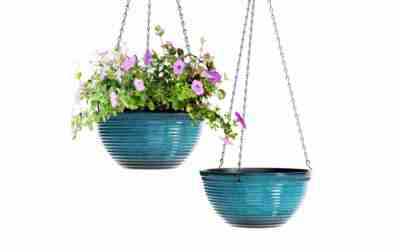
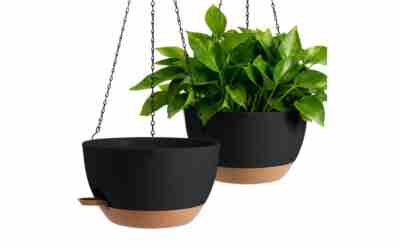
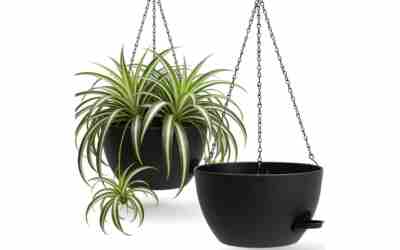
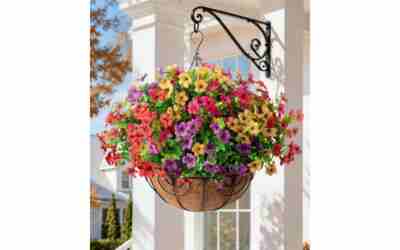
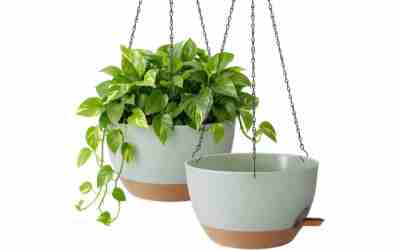
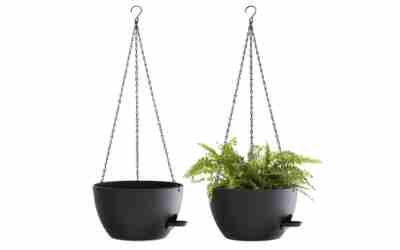
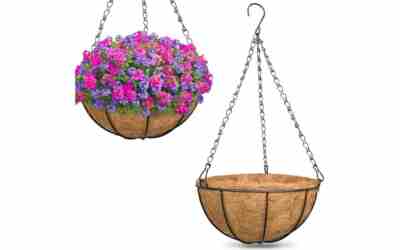
- Hanging baskets: 10 to 14 inches wide. Smaller baskets can need water twice a day in hot weather. Check the hook, chain or bracket rating before filling one, since a wet 14-inch basket can be heavy.
- Railing planters: 6 to 8 inches wide and deep is typical. Make sure the bracket fits your rail shape and is rated for the wet weight.
- Window boxes: at least 8 inches deep and 8 inches wide, with length matching the window. Deeper boxes hold moisture better.
For plant ideas that suit these formats, see the best plants for hanging planters and the best plants for railing planters.
Common sizing mistakes
- Jumping up too far. Moving a plant from a 4-inch pot to a 12-inch pot is the classic cause of soggy soil and rot. Step up gradually.
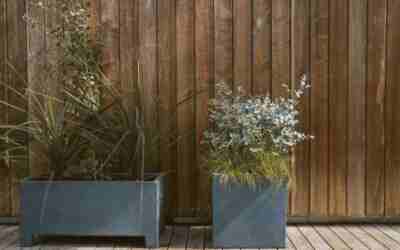
- Ignoring drainage. A decorative pot with no holes should be used as a cover pot, with the plant left in a smaller pot with holes inside it.
- Using too little soil for the plant’s mature size. A tomato in a 1-gallon pot will stress, wilt daily and produce less.
- Forgetting weight. A 20-gallon pot of wet soil can weigh well over 100 pounds. Place large pots where they will stay, and on a balcony or deck, check the load limit with your building or a qualified professional.
- Choosing by looks alone. Tall, narrow urns look great but suit few plants. Make sure the interior matches what the roots need.
- Skipping the dry-out difference. Terracotta dries faster than glazed ceramic or plastic. In hot, dry climates, a slightly larger pot or a non-porous material can reduce watering chores.
How to tell it is time to repot
Do not repot on a schedule alone. Look for these signs:
- Roots circling the inside of the pot or poking from the drainage holes.
- Water runs straight through without soaking in, or the pot dries out in a day or two.
- Growth has slowed during the growing season, even with regular feeding.
- The plant is top-heavy and tips over.
To check, slide the plant out gently. If you see a dense mat of white roots and little visible soil, move up one size using the 1 to 2 inch or 2 to 4 inch rule above. If roots are only loosely hugging the soil, wait. Spring and early summer are the best times for most plants because they recover quickly.
If you are still deciding what to grow once you have the right container, our guide to the best plants for planters can help you pick.
Frequently Asked Questions
Is it better to use a bigger or smaller pot?
Slightly bigger than the root ball is best. A pot only 1 to 2 inches wider (or 2 to 4 for large plants) gives room to grow without holding excess wet soil. Much larger pots raise the risk of root rot, while pots too small cause stress.
How deep should a plant pot be?
Most flowers and houseplants do well in pots 8 to 12 inches deep. Shallow-rooted herbs, greens and succulents need only 6 to 8 inches. Tomatoes, peppers and small trees need 12 inches or more, and larger varieties may need up to 18.
What size pot do I need for a tomato plant?
A bush tomato needs at least 5 gallons, roughly a 12-inch pot. Vining types usually do better in 10 gallons or more, around 16 inches wide and 12 to 18 inches deep. Needs vary by variety, so check the plant tag.
Can I put a small plant in a large pot to save repotting?
It is not recommended. Extra soil stays wet longer than the small root system can use, which can lead to rot and fungus problems. Repot in steps instead, moving up one size each time the roots fill the current pot.