
Yes, you can chainsaw wet wood with a gas or battery saw if the chain is sharp and your footing is solid; keep corded saws dry.
What counts as wet wood: rain-soaked, green or frozen
Three different situations get called wet wood, and each changes the job in its own way. Work out which one you have before you pull the cord.
| Type of wet | What changes for the chain and bar | Main hazard | Corded electric saw |
|---|---|---|---|
| Rain-soaked (damp bark, dry core) | Mud and grit on the bark dull the chain | Slick bark and ground | Keep out of rain and standing water |
| Green (freshly cut or fallen, sap inside) | Wet sawdust clings to the bar and chain; heavy logs sag and pinch the bar | Bar pinch | Fine on dry ground with a GFCI outlet |
| Frozen or icy | Wood is hard and brittle; ice and grit wear the chain | Slick footing and ice-covered branches | Cold cords stiffen; keep off snow and ice |
A quick test: if water or sap beads on a fresh cut face, the wood is green. If only the bark and surface are damp, it is rain-soaked.
Moisture alone is not the problem. Husqvarna says moisture adds no meaningful resistance to the cutting process. The trouble is what comes with wet wood: slippery footing, clinging sawdust, mud and heavy logs.
Can you chainsaw wet wood without dulling the chain?
Yes. Husqvarna says a standard chain normally performs well on wet wood. Dirt, grit and bark mud do most of the dulling, so clearing them off the bark matters more than the moisture itself.
For particularly dense wet wood, Husqvarna says a micro-chisel chain may work better. If you switch chain types, match the pitch, gauge and drive-link count; our guide on how to size a chainsaw chain shows where to find each number.
Signs the chain is dull
- You have to push the saw through the wood instead of letting it pull itself in.
- It makes fine dust instead of chips.
- The saw pulls to one side.
Wet sawdust tends to cling to the chain and bar, so stop and clear it more often than you would in dry wood. If a freshly sharpened chain still will not bite, the depth gauges (rakers) may be set too high and need filing down.
Can you use a chainsaw in the rain? Gas, battery and corded
It depends on the saw, and not every chainsaw is rain-safe. Your manual is the final word on weather limits.
- Gas: Rain does not stop the engine, but keep the fuel container closed and do not refuel in the rain, so water stays out of the tank. Do not fuel or restart a saw that has been soaked until it has dried.
- Battery: Husqvarna says battery saws are generally fine in wet conditions. Check your manual for an IP rating or a rain warning, and never submerge the saw or battery.
- Corded electric: Husqvarna says keep these away from standing water and heavy moisture. Plug into a GFCI-protected outlet, use an outdoor-rated extension cord, and keep plug connections off wet ground.
If the manual says nothing about rain, treat the saw as dry-use only.
Wet-wood hazards: slipping, kickback and bar pinch
Slipping. Wet bark and muddy ground cause most wet-wood close calls. Clear a flat work area, plant both feet before squeezing the trigger, and stay uphill of any log that could roll or slide on a wet slope.
Kickback. A dull chain makes you force the saw, which raises kickback risk. Keep the bar tip clear of the ground, other logs and branches.
Bar pinch. Green logs are heavy and sag. When a log is supported at both ends, the top is compressed and squeezes the bar as it sags. In that case, cut about a third of the way down from the top, then finish from the underside. If the log is supported differently, such as at one end, the compression is on the bottom, so check which side is squeezed before you cut.
Gear. Wear chainsaw chaps, eye and face protection, hearing protection, gloves, a helmet and non-slip boots. Your saw manual lists the required gear. A face shield helps when rain spots your glasses.
Wet wood checklist: go or no-go before you start the saw
- Sharpen the chain before you begin, not halfway through a log. Our guide on how to sharpen a chainsaw chain by hand covers the filing steps.
- Fill the bar oil reservoir and confirm oil is reaching the chain.
- Brush or rinse mud and grit off the bark where the bar will pass.
- Block or wedge any log that can roll, and support it so it will not sag onto the bar.
- Clear your footing and a retreat path at about a 45-degree angle behind you.
- Put on all your protective gear.
Stop and wait for drier conditions if:
- You hear thunder or see lightning.
- Wind is strong enough to move limbs overhead.
- Rain, fog or dusk limits what you can see.
- You cannot get stable footing or the log could roll toward you.
When in doubt, wait. Wood stays cuttable, and a dry day costs you nothing.
After cutting wet wood: dry and protect the saw
- Shut the saw off, let it cool and remove the battery or unplug the cord.
- Brush wet sawdust out of the bar groove, sprocket area and clutch cover.
- Wipe the bar and chain dry, then add a light coat of bar oil to prevent rust.
- On a gas saw, check the air filter and clean or replace it if it is wet or clogged, following the manual.
- If a gas saw was soaked, check the spark plug and boot for water before starting it.
- Wipe battery and charger contacts dry, and charge only when everything is dry.
- Store the saw indoors in a dry spot, not in a damp shed or truck bed.
Our Top Picks
Ready to shop? These are the top-rated options from our hands-on roundup, Best Chain Saws For Cutting Wood of 2026.

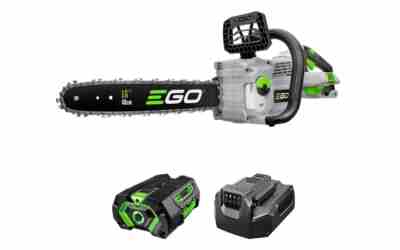
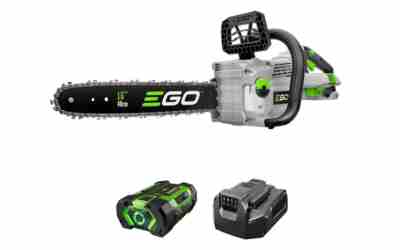
EGO POWER+ CS1613 16-Inch Cordless Chainsaw with 56V 4.0Ah ARC Lithium Battery and Brushless Motor

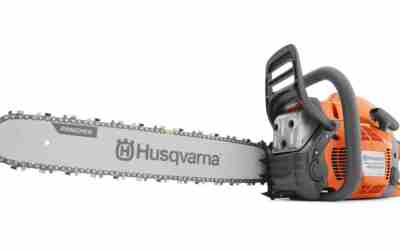
Husqvarna 455 Rancher Gas Chainsaw | 55cc 3.5-HP X-Torq Engine | 20-Inch Bar with Smart Start & LowVib Technology

Greenworks Pro 80V 18-Inch Brushless Cordless Chainsaw with 2.0Ah Battery and Rapid Charger
As an Amazon Associate we earn from qualifying purchases. Product prices and availability are accurate as of the date/time indicated.
Frequently Asked Questions
Can I hose off logs before cutting them?
Yes. Rinsing or brushing mud and grit off the bark where the bar will pass protects the chain, since grit does most of the dulling. Keep water away from the saw itself, and avoid standing in a slick puddle while you work.
Is a wet chain more dangerous?
Wetness itself is not the main risk. A dull chain, which makes you force the saw and raises kickback risk, and slippery footing are the real dangers. Sharpen before you start and set your feet firmly.
Can I cut frozen logs with a battery chainsaw?
Yes, if the cold is within the temperature range in your manual. Cold cuts battery run time, so keep a spare battery warm indoors and swap it in. Frozen wood is hard, so expect to touch up the chain sooner.
{“@context”: “https://schema.org”, “@type”: “FAQPage”, “mainEntity”: [{“@type”: “Question”, “name”: “Can I hose off logs before cutting them?”, “acceptedAnswer”: {“@type”: “Answer”, “text”: “Yes. Rinsing or brushing mud and grit off the bark where the bar will pass protects the chain, since grit does most of the dulling. Keep water away from the saw itself, and avoid standing in a slick puddle while you work.”}}, {“@type”: “Question”, “name”: “Is a wet chain more dangerous?”, “acceptedAnswer”: {“@type”: “Answer”, “text”: “Wetness itself is not the main risk. A dull chain, which makes you force the saw and raises kickback risk, and slippery footing are the real dangers. Sharpen before you start and set your feet firmly.”}}, {“@type”: “Question”, “name”: “Can I cut frozen logs with a battery chainsaw?”, “acceptedAnswer”: {“@type”: “Answer”, “text”: “Yes, if the cold is within the temperature range in your manual. Cold cuts battery run time, so keep a spare battery warm indoors and swap it in. Frozen wood is hard, so expect to touch up the chain sooner.”}}]}