
Do outdoor lights need special bulbs? Only if rain or spray can reach the bulb; otherwise a damp-rated or standard bulb in a covered fixture is fine.
Three things decide it: how exposed the fixture is, whether the glass is enclosed, and what the bulb package says about location rating, base and wattage. The sections below give one rule for each case.
Do outdoor lights need special bulbs, or will indoor ones work?
Ask two questions: can rain, sprinkler spray or snow touch the bulb, and is the fixture enclosed in glass? If water can reach the bulb, use a bulb rated for wet locations. If the bulb is sheltered, a damp-rated bulb is the better choice. Always read the fixture’s own label first, because a bulb cannot upgrade a fixture’s rating.
| Fixture situation | Example | Bulb to use |
|---|---|---|
| Exposed to rain or spray | Bare socket, open floodlight, string light socket | Wet-rated bulb |
| Open fixture with no glass, even under a roof | Bare-socket light under a porch ceiling | Wet-rated bulb |
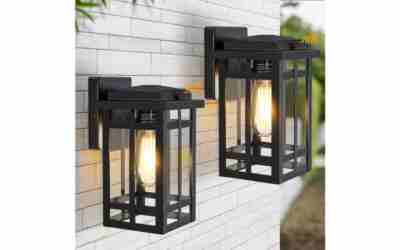
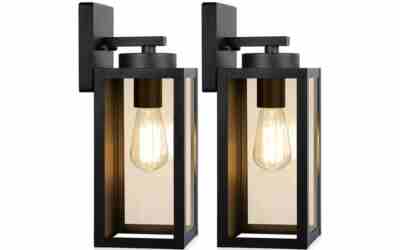
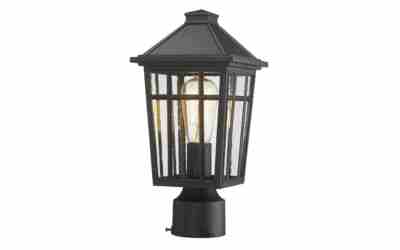
| Enclosed glass or globe, under cover | Wall lantern on a covered porch, soffit light, post light | Damp- or wet-rated bulb that is also marked for enclosed fixtures |
| Fully sheltered | Screened porch, deep covered entry | Damp-rated bulb; a standard bulb only if its package does not limit it to dry or indoor use |
Decision rule: if you cannot tell which row fits, choose a bulb whose package says both “wet location” and “enclosed fixtures.” It works in every row above.
What do damp-rated and wet-rated mean?
Safety listings such as UL or ETL sort locations into dry, damp and wet. The rating shows how much moisture the product was tested to handle.
- Dry: indoor spaces with no moisture exposure.
- Damp: humidity and condensation, but no direct water. Covered porches and soffits are damp locations.
- Wet: direct rain, sprinklers or splashing. Open fixtures and string light sockets belong here.
A wet-rated bulb can go in a wet, damp or dry spot. A damp-rated bulb should not go where it gets rained on.
Common trap: LED does not mean waterproof. An LED bulb is not wet-rated unless the package says so. The fixture and the bulb each have a rating, and the weaker one sets your limit.
Can I use a standard indoor LED in an enclosed porch light?
Only if the package allows it. Many bulbs are not rated for enclosed fixtures because the glass traps heat around the bulb’s electronics, which can shorten life or cause flickering. Bulbs approved for enclosed use say so on the box. Before swapping a bulb in an enclosed fixture:
- Turn the power off at the breaker, not just the switch, and let a hot bulb cool before you touch it.
- Stay under the maximum wattage on the fixture label. For an LED, compare the actual wattage on the box, not the “equivalent” figure. For example, a box that lists 9W actual and 60W equivalent is within a 60W limit.
- Check size and shape. A bulb that is too long can touch the glass or keep the cover from closing, which hurts both heat control and water sealing.
- Inspect gaskets and sockets. If a gasket is cracked or the socket is corroded, replace the part. A new bulb will not fix a leak.
Use a stable ladder. Fixture limits vary by model; check the label or manual.
Which bulb types work outdoors?
| Bulb type | Outdoor fit | Cold weather | Where it loses |
|---|---|---|---|
| LED | Best overall if rated for the location | Operating range is printed on the package; varies by model, check the label or manual | Cheap indoor-only LEDs can fail from moisture or trapped heat |
| CFL | Poor choice outdoors | Some start slowly or not at all in freezing temperatures | Slow warm-up, short life when switched often, and a small amount of mercury, so recycle rather than trash |
| Halogen | Works in fixtures rated for it | Handles cold | Very hot and uses more power; skin oils on the glass can shorten its life |
| Incandescent | Only where rain cannot reach | Handles cold | Short life, high energy use, and a hot bulb can crack if water hits it |
Choose LED for nightly use or cold climates. Consider halogen or incandescent only for a warm filament look in a sheltered spot. Our roundup of the best outdoor string lights shows how sockets and bulbs differ in that category.
Which bulb goes in which fixture?
| Fixture | Bulb to look for | Usual base |
|---|---|---|
| Glass porch lantern or sconce | Damp- or wet-rated, marked for enclosed fixtures | E26 or E12 |
| Post light with globe | Damp- or wet-rated, marked for enclosed fixtures | E26 |
| Open floodlight or security light | Wet-rated PAR or BR reflector bulb | E26 |
| String light socket | Wet-rated bulb sized to the socket | E26 or E12 |
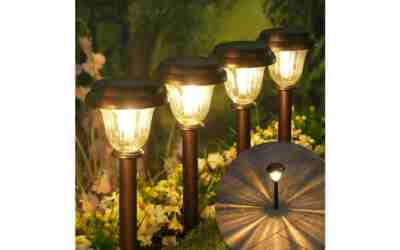
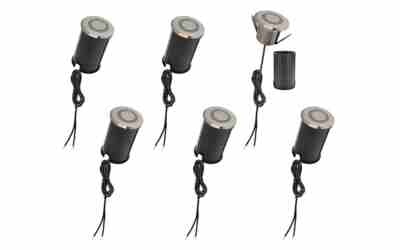
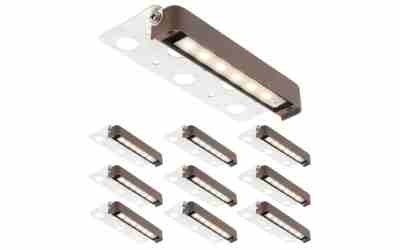
| Low-voltage landscape light | Bulb that matches the system voltage (often 12V) and pin base | MR16 or bi-pin, or built-in LED |
Bases and wattage limits vary by model; check the label or manual. On brightness, match the lumens printed on the bulb you are replacing. Warm white around 2700K-3000K is a common style choice for porches, not a code rule.
What about floodlights, landscape lights and bulb bases?
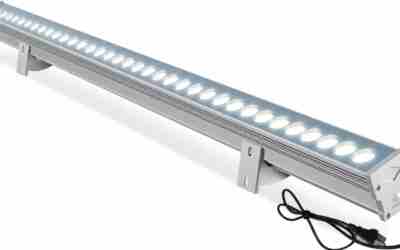
Spot and flood fixtures usually need reflector bulbs such as PAR or BR shapes, with a wet-location rating when exposed. A regular A-shape bulb in the same socket lights poorly and may overheat. If you would rather replace the whole fixture, see our backyard flood light picks.
- E26: standard US screw base on most porch lights.
- E12: smaller candelabra base, common in lanterns and sconces.
- GU10: twist-lock base, normally run on line voltage.
- MR16: pin-style bulb, commonly used in 12V landscape lighting. Confirm the voltage on the bulb and the transformer.
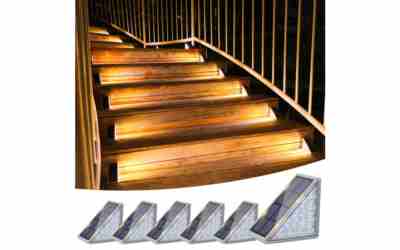
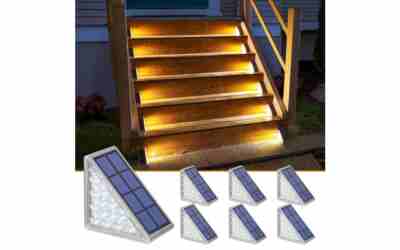
Voltage rule: match the bulb voltage to the system. A 120V bulb in a 12V system will not work, and a low-voltage bulb on line voltage can fail or damage the fixture. Many newer landscape and solar fixtures have a built-in LED that cannot be swapped, so you replace the whole fixture.
Quick label checklist before you buy
- Read the fixture label for its location rating (dry, damp or wet) and maximum wattage.
- Note the base type (E26, E12, GU10, MR16) and voltage (120V or 12V).
- Check the bulb package for “wet location” or “damp location,” plus “enclosed fixtures” if the glass is sealed.
- Confirm the operating temperature range on the box covers your winter lows.
- If the circuit has a dimmer, buy a bulb labeled dimmable and confirm the dimmer works with LEDs.
- If the fixture is automatic, check the manual for compatible bulb types. Our guide to dusk-to-dawn outdoor lights covers when a built-in sensor makes more sense.
Why indoor bulbs fail outside: moisture gets into sockets and bases, trapped heat shortens life, and temperature swings can crack glass.
Electrical note: outdoor receptacles generally need GFCI protection under the National Electrical Code (NFPA 70), though the adopted version varies by state and locality. Have an electrician check any scorched socket or repeated breaker trips.
Frequently Asked Questions
Can I use a regular bulb in a covered porch light?
Only if the package does not restrict it to dry or indoor use. If the fixture has a glass cover, the bulb must also be marked for enclosed fixtures. If rain can blow onto the bulb, use a wet-rated bulb.
How do I tell if my bulb is wet rated?
Look at the package for the words “suitable for wet locations” and a listing mark such as UL or ETL. The bulb itself often shows only wattage and base. If the package is gone and nothing is marked, treat the bulb as dry-rated and do not use it where it can get wet.
Does a wet-rated bulb make a damp-only fixture safe in the rain?
No. The fixture’s rating controls where it can be installed. A wet-rated bulb in a damp-rated fixture still leaves the fixture, wiring and gasket unprotected, so keep that fixture where rain cannot reach it.
Can I use a smart bulb in an outdoor fixture?
Only if the package lists a damp or wet location rating, and enclosed-fixture use if the glass is sealed. Many smart bulbs are indoor-only, and ratings vary by model, so check the label or manual.
Why does my outdoor bulb keep burning out?
Common causes are trapped heat in an enclosed fixture, moisture in the socket, and a bulb not rated for the location. Switch to a bulb marked for enclosed fixtures and the right location rating, and replace damaged gaskets or sockets. If it keeps happening, have an electrician inspect the fixture.
{“@context”: “https://schema.org”, “@type”: “FAQPage”, “mainEntity”: [{“@type”: “Question”, “name”: “Can I use a regular bulb in a covered porch light?”, “acceptedAnswer”: {“@type”: “Answer”, “text”: “Only if the package does not restrict it to dry or indoor use. If the fixture has a glass cover, the bulb must also be marked for enclosed fixtures. If rain can blow onto the bulb, use a wet-rated bulb.”}}, {“@type”: “Question”, “name”: “How do I tell if my bulb is wet rated?”, “acceptedAnswer”: {“@type”: “Answer”, “text”: “Look at the package for the words \”suitable for wet locations\” and a listing mark such as UL or ETL. The bulb itself often shows only wattage and base. If the package is gone and nothing is marked, treat the bulb as dry-rated and do not use it where it can get wet.”}}, {“@type”: “Question”, “name”: “Does a wet-rated bulb make a damp-only fixture safe in the rain?”, “acceptedAnswer”: {“@type”: “Answer”, “text”: “No. The fixture’s rating controls where it can be installed. A wet-rated bulb in a damp-rated fixture still leaves the fixture, wiring and gasket unprotected, so keep that fixture where rain cannot reach it.”}}, {“@type”: “Question”, “name”: “Can I use a smart bulb in an outdoor fixture?”, “acceptedAnswer”: {“@type”: “Answer”, “text”: “Only if the package lists a damp or wet location rating, and enclosed-fixture use if the glass is sealed. Many smart bulbs are indoor-only, and ratings vary by model, so check the label or manual.”}}, {“@type”: “Question”, “name”: “Why does my outdoor bulb keep burning out?”, “acceptedAnswer”: {“@type”: “Answer”, “text”: “Common causes are trapped heat in an enclosed fixture, moisture in the socket, and a bulb not rated for the location. Switch to a bulb marked for enclosed fixtures and the right location rating, and replace damaged gaskets or sockets. If it keeps happening, have an electrician inspect the fixture.”}}]}