
Mounting height affects both which species will actually use a birdhouse and how safe the nest is from predators, so it is worth matching the height to the bird you are hoping to attract rather than guessing or mounting at eye level just because it is convenient to check.
Quick Reference by Species
- Chickadees, wrens, titmice, nuthatches: 5 to 10 feet
- Bluebirds: 4 to 6 feet
- Purple martins: 10 to 20 feet
- Wood ducks: 10 to 20 feet, near water
- Screech owls: 10 to 20 feet, wooded edge
General Rule: 5 to 10 Feet
Most common backyard nesting species, including chickadees, wrens, titmice, and nuthatches, are comfortable with houses mounted 5 to 10 feet off the ground. This range is also low enough for you to monitor and clean the box each year without a ladder, which matters because an unopened box that never gets cleaned out can carry over old nesting material, parasites, and mold into the next season.
Bluebirds: 4 to 6 Feet
Bluebird houses are typically mounted lower, around 4 to 6 feet, on a smooth metal pole in an open area like a field edge or large lawn, away from dense shrubs where predators or house sparrows might lurk. Bluebirds are ground-foraging birds that hunt insects in open grass, so they naturally prefer nesting sites with a clear flight path rather than a box tucked against tree cover.
Purple Martins: 10 to 20 Feet
Purple martins are the exception, preferring their communal houses or gourd racks mounted much higher, generally 10 to 20 feet up, in a wide-open area at least 40 feet from trees and buildings. Because martin housing is often a multi-compartment structure raised on a winch pole, most owners lower the whole pole to ground level for seasonal cleaning rather than climbing to it.
Wood Ducks and Owls: 10 to 20 Feet
Cavity-nesting species like wood ducks and screech owls also nest higher naturally, so their boxes are usually mounted 10 to 20 feet up a tree trunk near water for wood ducks, or on a tree at the edge of a wooded area for owls. A few inches of wood shavings in the bottom of the box gives ducklings and owlets secure footing and cushions the drop when they eventually leave the nest.
Predator Protection Matters More Than Exact Height
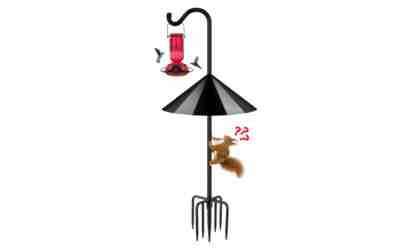
Whatever height you choose, mount the house on a smooth metal pole with a cone or stovepipe-style predator baffle rather than directly on a tree trunk or wooden post, which gives climbing predators like raccoons, snakes, and cats an easy path straight up to the entrance hole. Position the box away from overhanging branches or fences a squirrel or cat could jump from, and keep the entrance facing away from prevailing wind and afternoon sun where possible.
Does Getting the Height Slightly Wrong Ruin Your Chances?
Not usually. Birds care more about a secure, predator-resistant mount and the right entrance hole size for the species than about hitting an exact number of feet. Staying within the ranges above is enough; a box mounted at 7 feet instead of a “perfect” 6 will still get used by most cavity-nesting backyard species as long as the surrounding area is otherwise safe and open.
Our Top Picks
Ready to shop? These are the top-rated options from our hands-on roundup, Best Birdhouse For Bluebirds of 2026.

WHITEHORSE Cedar Bluebird House - Weatherproof, NABS Specs

Nature's Way CWH3 Cedar Bluebird Box House

SISTERBIRD 2-Pack Cedar Bluebird Houses with Copper Guard
As an Amazon Associate we earn from qualifying purchases. Product prices and availability are accurate as of the date/time indicated.