
For warm glow solar tree lights, choose a 2700K–3000K rating and place the solar panel where it gets 6 or more hours of direct sun.
What Warm Glow Means in Kelvin and How to Check It
Warm glow is a color temperature of 2700K–3000K, the range of a classic incandescent bulb. Cool white starts near 5000K and reads bluish at night. Amber sits below warm white, near 2000K, and looks orange like firelight.
Many solar products only say “warm white” with no number. That is a marketing label, and cheap LEDs under it can look bluish or yellow-green. A listing that states 2700K is the safest pick for a classic glow.
- Find the K number in the spec table, the box or the manual. No number means you are guessing.
- Look at night photos in customer reviews, not the daytime product shots.
- Compare against a bulb you know. On the first night, hold the string next to an indoor 2700K bulb. Return it if it looks noticeably whiter.
Features to Check on Solar Tree Lights
Match the light type to the tree first, then check the hardware.
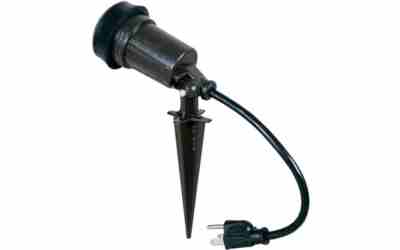
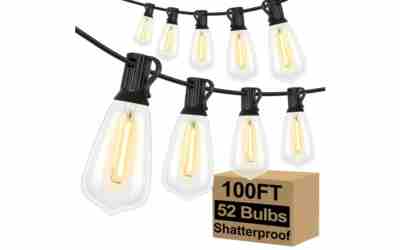
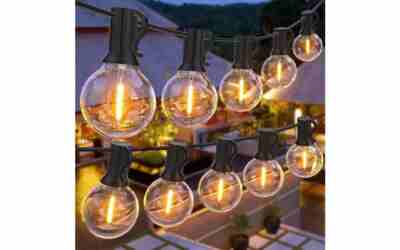
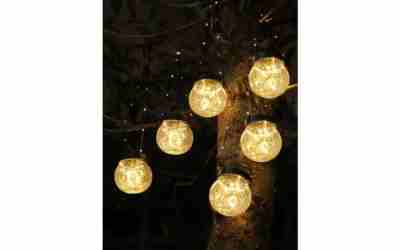
- Type: wrap strings suit trunks and limbs, spike uplights shine up into the canopy, hanging orbs suit open branches, and lighted blossom trees suit a pot or entry.
- Panel: choose one on its own cable or an adjustable head so it can be placed away from the tree’s shade. A panel fixed to the light body cannot.
- Battery: a user-replaceable rechargeable AA (for example 600–1000 mAh NiMH) or a lithium pack. Sealed batteries mean the whole set ends when the battery fades.
- Run time: varies by model, mode and season. Treat the box claim as a best case and check the manual for the mode it was measured in.
- Weather rating: IP44 minimum for the panel and battery housing, IP65 preferred.
- Wire: bendable copper wire holds its shape around branches.
- Controls: a steady mode and an automatic dusk-to-dawn sensor. A remote helps when the lights are out of reach.
- Mounting: a stake for the panel, plus soft ties or clips for the light string.
How Much Sun Warm Glow Solar Tree Lights Need Under a Canopy
Plan on 6 or more hours of direct sun on the panel. The tree you are lighting is often the thing blocking that sun, so a panel stuck on the trunk can end up charging for only a couple of hours.
- Move the panel out. Use a remote panel with an extension cable and stake it in the open, facing south in most of the US.
- Check the spot. Look at it at mid-morning, noon and mid-afternoon. Dappled shade counts as shade.
- Expect less in winter. Shorter days and a low sun angle cut charge, so run time drops even if the battery is fine.
If no spot in the yard gets enough sun, wired lighting is the steadier option. See solar vs low-voltage landscape lighting for the tradeoffs.
How Many Feet of Lights a Tree Needs
For a trunk wrap, two spacings matter: the gap between bulbs along the wire (6–12 inches reads as even without looking busy) and the gap between turns around the trunk. Use the trunk circumference for each turn.
Worked example, using typical values: a trunk 10 inches across and 10 feet tall, wrapped with a turn every 6 inches.
- Circumference: 10 in × 3.14 = 31.4 in, or about 2.6 ft per turn.
- Turns: 10 ft × 12 = 120 in, then 120 ÷ 6 = 20 turns.
- Trunk string: 20 × 2.6 ft = 52 ft.
- Three limbs wrapped 8 ft each: 3 × 8 = 24 ft.
- Total wire length: 52 + 24 = 76 ft.
- Bulbs at 6-inch spacing along the wire: 76 × 12 = 912 in, then 912 ÷ 6 = 152 bulbs.
Solar sets come in fixed lengths, often somewhere around 16–33 ft, so check the listing. At that range, 76 ft means roughly 3 to 5 sets, each with its own panel and battery.
For full canopy wraps, the tree and house light chart gives string counts by tree height.
How to Install and Wrap Solar Lights on a Tree
- Charge the set in direct sun for a full day with the switch on, then test it at dusk before climbing.
- Stake the panel first, or clip it to a fence or post in full sun, and run the cable to the tree.
- Set up a stable ladder on level ground with a helper. Skip it in wet or windy weather.
- Start at the bottom, secure the plug end with a soft tie, and spiral upward with even turns.
- Keep the wrap loose, with a finger-width of slack, so the trunk can grow.
- On limbs, wrap from the trunk outward and stop where the branch gets thin and flexible.
- Tuck the battery box and cable joints upright so rain cannot pool in them.
- Check the result after dark and adjust any bunched or bare stretches.
Warm White vs Cool White vs Color-Changing
| Type | Color temperature | Look on bark and leaves | Tradeoff |
|---|---|---|---|
| Warm white | 2700K–3000K | Soft, golden, flatters bark and foliage | Reads slightly dimmer than cool white |
| Amber | About 2000K | Orange, candle-like | Looks dim and can tint green leaves brown |
| Cool white | 5000K and higher | Crisp, bluish, high contrast | Feels harsh next to a warm-lit house |
| Color-changing | No single value | Cycles through colors | Hard to keep a steady warm tone |
Maintenance and Tree Care
- Clean the panel with a damp soft cloth once a month, and after pollen or bird droppings. A dusty panel charges less.
- Replace batteries every 1–3 years, or when run time drops sharply. Use the same rechargeable type, replace them all at once, and never use non-rechargeable cells in a solar unit.
- Re-wrap yearly. Loosen or move the wire so it never cuts into growing bark, and remove any wire that has begun to press in.
- Winter: take the set down and store it dry indoors, unless the manual says it is rated to stay out. Keep USB or backup chargers indoors.
- Keep lights clear of dry leaves and other combustible decorations.
Our Top Picks
Ready to shop? These are the top-rated options from our related roundup, Best Solar String Lights of 2026.
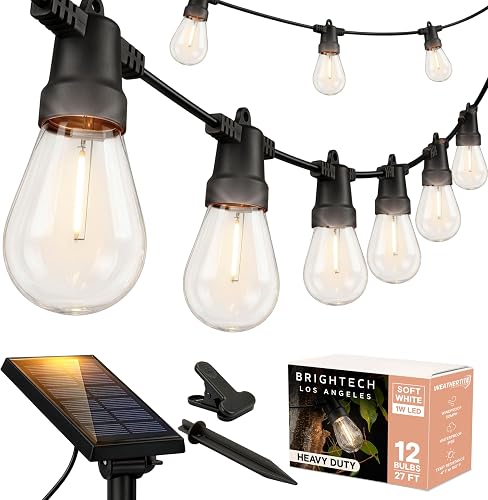
Brightech Ambience Pro Solar Outdoor String Lights - 27 ft
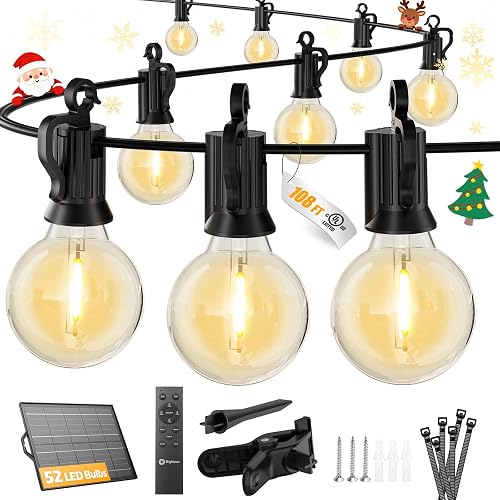
Brightown 108FT 52LED Solar String Lights with Remote & USB

AMZRAP 200FT Solar String Lights with Remote
As an Amazon Associate we earn from qualifying purchases. Product prices and availability are accurate as of the date/time indicated.
Frequently Asked Questions
Can I mix warm white and amber strings on one tree?
Yes, if you keep them in separate zones, such as amber on the trunk and warm white in the canopy. Mixing them bulb by bulb looks uneven because amber sits near 2000K while warm white is 2700K–3000K.
Do warm glow lights work under evergreen shade?
The lights look fine, but the panel is the problem. Dense evergreen shade starves it of sun, so use a remote panel staked in an open spot.
Will 2700K LEDs fade over time?
LEDs can dim or shift slightly in color as they age, and cheap ones are more likely to. Buying from a listing that states the K number and offers a warranty gives you recourse.
Can I wrap a palm tree?
Yes, with a loose spiral of soft-tied wire up the trunk. Keep the wrap loose and avoid pressing wire into the trunk, and place the panel on a stake in the sun.
Should I use one long string or several sets?
Solar sets are sold in fixed lengths and each has its own panel and battery, so plan zones such as trunk and canopy. Place each panel in sun.
{“@context”: “https://schema.org”, “@type”: “FAQPage”, “mainEntity”: [{“@type”: “Question”, “name”: “Can I mix warm white and amber strings on one tree?”, “acceptedAnswer”: {“@type”: “Answer”, “text”: “Yes, if you keep them in separate zones, such as amber on the trunk and warm white in the canopy. Mixing them bulb by bulb looks uneven because amber sits near 2000K while warm white is 2700K–3000K.”}}, {“@type”: “Question”, “name”: “Do warm glow lights work under evergreen shade?”, “acceptedAnswer”: {“@type”: “Answer”, “text”: “The lights look fine, but the panel is the problem. Dense evergreen shade starves it of sun, so use a remote panel staked in an open spot.”}}, {“@type”: “Question”, “name”: “Will 2700K LEDs fade over time?”, “acceptedAnswer”: {“@type”: “Answer”, “text”: “LEDs can dim or shift slightly in color as they age, and cheap ones are more likely to. Buying from a listing that states the K number and offers a warranty gives you recourse.”}}, {“@type”: “Question”, “name”: “Can I wrap a palm tree?”, “acceptedAnswer”: {“@type”: “Answer”, “text”: “Yes, with a loose spiral of soft-tied wire up the trunk. Keep the wrap loose and avoid pressing wire into the trunk, and place the panel on a stake in the sun.”}}, {“@type”: “Question”, “name”: “Should I use one long string or several sets?”, “acceptedAnswer”: {“@type”: “Answer”, “text”: “Solar sets are sold in fixed lengths and each has its own panel and battery, so plan zones such as trunk and canopy. Place each panel in sun.”}}]}