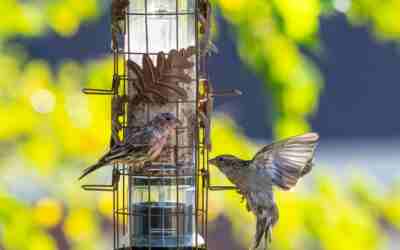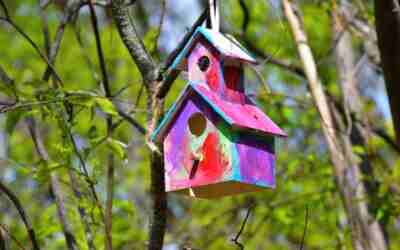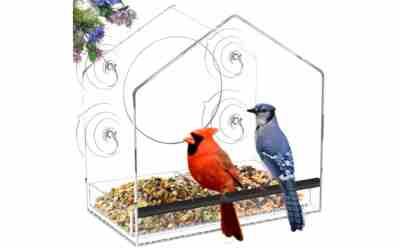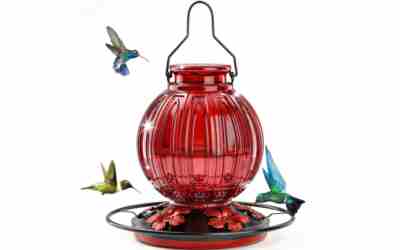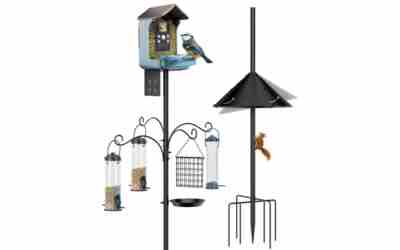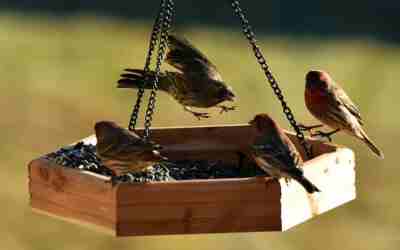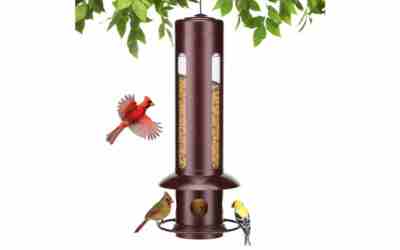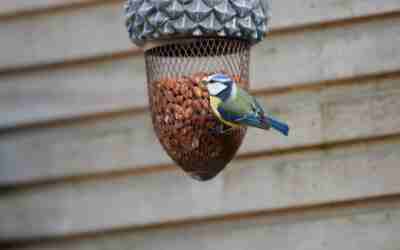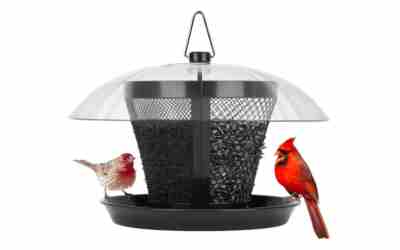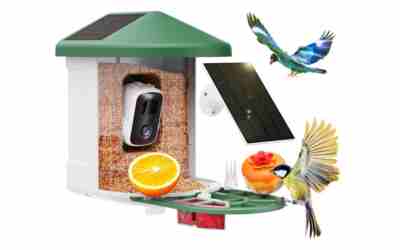

Cleaning frequency depends more on weather and how busy the feeder is than on a fixed calendar date. Here is a practical schedule to follow so seed stays fresh and disease risk stays low.
Every 2 Weeks in Normal Conditions
For most of the year, a full wash-and-disinfect every two weeks is enough to keep mold and bacteria from building up, assuming the feeder is not getting rained on constantly or overloaded with birds.
Weekly in Hot, Humid, or Rainy Weather
Warm, damp conditions speed up mold growth dramatically, so during summer heat or a stretch of rainy days, move to a weekly cleaning schedule, especially for feeders that hold seed exposed to the weather like platform or hopper feeders.
Immediately If You See Sick Birds
If you notice a bird at your feeder with swollen or crusty eyes, puffed-up feathers, or lethargic behavior, take the feeder down, clean and disinfect it right away, and consider leaving it empty for a week or two to let birds disperse and reduce disease spread.
Nectar Feeders Need More Frequent Attention
Hummingbird nectar ferments fast, especially in hot weather. Clean and refill nectar feeders every 3 to 4 days in cool weather and every 1 to 2 days when temperatures climb above 80°F, since fermented nectar can actually harm hummingbirds.
Daily Habits That Reduce the Workload
Rinse out standing water and check for wet clumped seed whenever you refill, and use a seed tray to catch spillage so ground-level mess does not build up between deep cleanings.
Our Top Picks
Ready to shop? These are the top-rated options from our hands-on roundup, Best Bird Feeder Cleaner of 2026.

Microbe-Lift Soy-Based Bird Feeder Cleaner 32 oz

Larbeti 5P Bird Bath Brush Kit, Hard Silk Bristle Cleaner

Prasacco 18-Piece Nylon Cleaning Brush Set
As an Amazon Associate we earn from qualifying purchases. Product prices and availability are accurate as of the date/time indicated.