
No: wait until the label’s rainfast time passes (24 dry hours if unsure) rather than spray weed killer before rain. Rain washes liquid herbicide off the leaves, wastes product and can carry it toward storm drains and nearby plants. Granular pre-emergents are the exception, because many of them need rain or watering to activate.
Should you spray weed killer before rain? A simple decision rule
Start with the label. Liquid post-emergent weed killers list a rainfast period, which is how long the leaves must stay dry so the plant absorbs the chemical. It varies by model; check the label or manual.
Then compare it to the forecast:
- Rain expected inside the label’s rainfast time: don’t spray. Wait for a better window.
- No rainfast time on the label, or you can’t find it: use 24 dry hours as a rule of thumb.
- Heavy rain or storms forecast within the next 24 hours: skip it, even if the label’s rainfast time is shorter. Runoff is the problem, not just lost product.
- Rain well outside the window: go ahead, as long as the leaves are dry and the wind is calm.
Check an hourly forecast rather than a daily percentage. A 30% chance of rain at 9 p.m. matters far less than a 30% chance at 10 a.m. when you sprayed at 8.
How long does weed killer need to stay dry? Rainfast times by type
Absorption speed depends on the active ingredient and the formulation. The figures below are published examples from Michigan State University Extension, not guarantees. Your product’s label always overrides them.
| Herbicide type | Published rainfast time | Source |
|---|---|---|
| Glyphosate (systemic, kills all plants) | About 1 to 6 hours, depending on product | Michigan State University Extension |
| 2,4-D amine (systemic, broadleaf weeds) | 6 to 8 hours | Michigan State University Extension |
| 2,4-D ester (systemic, broadleaf weeds) | About 1 hour | Michigan State University Extension |
Do not assume a short window. Texas A&M AgriLife lists at least one 2,4-D amine formulation with a 48-hour rainfast time, so two products with the same active ingredient can differ a lot. That is an outlier, but it is why the label comes first.
Systemic vs. contact
Systemic herbicides, such as glyphosate and 2,4-D, are absorbed into the leaf and travel to the roots. They need time on the leaf, so rain soon after spraying cuts their effect.
Contact herbicides burn the foliage they touch. Some labels claim they still work if rain starts within minutes, but they often don’t kill roots, so perennial weeds may regrow. Read the specific claim on the label.
Hot, humid conditions help absorption. Cool, dry or drought-stressed weeds absorb more slowly, which can lengthen the dry time you need.
What happens if it rains after you spray weed killer?
It depends on how much rain falls and how soon. Texas A&M AgriLife warns that heavy rain soon after application can wash herbicide off and require a repeat treatment.
- Light drizzle after the rainfast time has passed: usually no problem. The product is already inside the plant.
- Light drizzle inside the window: some product may rinse off. Expect a weaker kill and watch the weeds for a week or two.
- Heavy downpour inside the window: assume most of it washed off. It may also run onto lawn, flower beds and sidewalks, and into storm drains.
Safety: runoff can injure desirable plants and carry herbicide into storm drains and streams. Keep kids and pets off treated areas until the spray has dried, or longer if the label says so.
Do you need to reapply?
Wait and look first. Many systemic products take one to two weeks to show full results, and longer in cool weather (a rule of thumb). If weeds are still green after that, reapply only if the label allows it. Labels set a minimum gap between treatments and a maximum number of applications per season.
Pre-emergents, granulars and weed-and-feed: rain can help
The advice flips for granular products and pre-emergents. These often need water to move the active ingredient into the soil or to dissolve granules, and many labels call for watering in after application. A common instruction is about 0.5 inch of water from rain or irrigation, but it varies by model; check the label or manual.
| Product | Rain before or after? | What to do |
|---|---|---|
| Liquid post-emergent (glyphosate, 2,4-D) | Rain hurts | Spray on dry leaves; keep them dry for the rainfast time |
| Granular pre-emergent (crabgrass preventer) | Light rain or watering usually helps | Water in as the label directs; avoid heavy, runoff-causing rain |
| Weed-and-feed granules | Follow the bag | Use the bag’s directions on leaf wetness and watering in |
For weed-and-feed, follow the bag’s directions on leaf wetness and watering in, and don’t apply before heavy rain. Heavy rain can push granules off slopes and into drains.
If you plan to seed, remember that most pre-emergents block grass seed from sprouting too. Our guide on whether to plant grass seed in the fall explains the timing conflict.
Best conditions for spraying and mistakes to avoid
Rain isn’t the only factor. These conditions are rules of thumb, and the exact limits vary by product, so check the label for your numbers.
- Dry foliage: spraying wet leaves dilutes the product and can make it run off. Wait for dew to burn off.
- Calm wind: many labels set a limit near 10 mph. Drift can damage garden plants you meant to protect.
- Moderate temperatures: many labels give a working range somewhere in the 60s to 80s °F. Very hot or cold weather can lower results or raise injury risk.
- Time of day: mid-morning is usually a good choice because dew is gone and you have the rest of the day dry. Late afternoon works if no rain is due overnight.
- Actively growing weeds: weeds absorb more when they are growing than when they are stressed.
Avoid these mistakes:
- Trusting a single number from a website. Published rainfast times run from about an hour to 48 hours across products. Use the label.
- Adding more product to make up for rain risk. Exceeding the labeled rate can injure plants and breaks the label.
- Spraying wet grass to beat a storm. You get dilution and runoff, the worst of both.
- Re-spraying the next day. Slow-acting systemics show results over days. Check the label’s reapplication interval first.
- Mowing right before spraying. Cutting removes the leaf area that absorbs the product. Mow a few days before or after, as the label directs, and spray when weeds have enough green growth.
If the weather won’t give you a window, wait for one rather than forcing it.
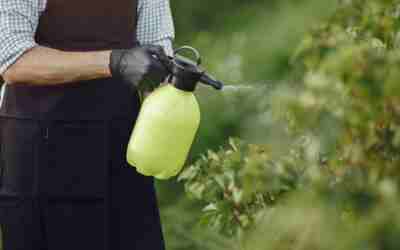
Safety: wear the gloves, eye protection and clothing the label requires. Mix only what you need, and store sprayers and containers away from kids, pets and food.
Related reading: What Kind of Smoker Should I Get? A Simple Guide · How Often Should You Clean a Bird Feeder?
Frequently Asked Questions
Can I spray weed killer the day after it rains?
Yes, once the leaves are dry and the wind is calm. Wet soil does not matter for liquid products absorbed through the leaves, but water on the foliage dilutes the spray. Then count the label’s rainfast time, or 24 dry hours if none is listed, against the forecast.
Do sprinklers count as rain after I spray?
Yes. Irrigation washes off herbicide just like rain, so turn off timers and keep sprinklers off the treated area for the rainfast time, or 24 hours if the label gives none.
What if the rain starts after the rainfast time has passed?
You do not need to respray. Once the rainfast time is up, the plant has absorbed the product. Watch the weeds for one to two weeks before deciding whether the label allows another application.
Does a homemade vinegar spray follow the same rule?
Homemade sprays have no label and no published rainfast time, so use the same 24 dry hours rule of thumb. Vinegar sprays burn the foliage they touch, so perennial weeds may regrow from the roots.
Can I mow after spraying weed killer?
Wait the number of days your label lists before mowing, since cutting removes the treated leaf area. Many labels advise a few days. Follow your label’s interval rather than a general number.
{“@context”: “https://schema.org”, “@type”: “FAQPage”, “mainEntity”: [{“@type”: “Question”, “name”: “Can I spray weed killer the day after it rains?”, “acceptedAnswer”: {“@type”: “Answer”, “text”: “Yes, once the leaves are dry and the wind is calm. Wet soil does not matter for liquid products absorbed through the leaves, but water on the foliage dilutes the spray. Then count the label’s rainfast time, or 24 dry hours if none is listed, against the forecast.”}}, {“@type”: “Question”, “name”: “Do sprinklers count as rain after I spray?”, “acceptedAnswer”: {“@type”: “Answer”, “text”: “Yes. Irrigation washes off herbicide just like rain, so turn off timers and keep sprinklers off the treated area for the rainfast time, or 24 hours if the label gives none.”}}, {“@type”: “Question”, “name”: “What if the rain starts after the rainfast time has passed?”, “acceptedAnswer”: {“@type”: “Answer”, “text”: “You do not need to respray. Once the rainfast time is up, the plant has absorbed the product. Watch the weeds for one to two weeks before deciding whether the label allows another application.”}}, {“@type”: “Question”, “name”: “Does a homemade vinegar spray follow the same rule?”, “acceptedAnswer”: {“@type”: “Answer”, “text”: “Homemade sprays have no label and no published rainfast time, so use the same 24 dry hours rule of thumb. Vinegar sprays burn the foliage they touch, so perennial weeds may regrow from the roots.”}}, {“@type”: “Question”, “name”: “Can I mow after spraying weed killer?”, “acceptedAnswer”: {“@type”: “Answer”, “text”: “Wait the number of days your label lists before mowing, since cutting removes the treated leaf area. Many labels advise a few days. Follow your label’s interval rather than a general number.”}}]}