
Pull pork shoulder off the smoker when the internal temperature reaches 195-205°F and a probe slides into the meat with little or no resistance. If you plan to slice instead of shred, pull it earlier, at 185-190°F. Trust the probe feel over the number, then rest the shoulder for 1-2 hours before pulling.
When to pull pork shoulder off the smoker: temperature and feel
For pulled pork, the target is 195-205°F measured in the thickest part of the meat, away from the bone. The temperature only tells you when to start checking. The real signal is the probe: it should slide in and out like it is going into soft butter or a jar of peanut butter.
Many shoulders feel ready right around 200-203°F, but each one is a little different. Fat content, thickness and bone position all change the result.
| Goal | Pull at | Probe feel | Rest |
|---|---|---|---|
| Pulled or shredded | 195-205°F | Little to no resistance | 1-2 hours |
| Sliced or chunked | 185-190°F | Slight resistance, still holds shape | 30-60 minutes |
| Overcooked | Above about 210°F | Mushy, falls apart, can dry out | Not recommended |
Use a calibrated thermometer. Test it in ice water; it should read 32°F. A probe that reads 5 degrees off changes everything.
Why pulled pork needs 195-205°F, not 145°F
USDA lists 145°F as the safe minimum for fresh pork, followed by a 3-minute rest. A pork shoulder is safe long before it is tender. That 145°F figure is a safety floor, not a tenderness target.
Shoulder is a hard-working muscle full of connective tissue called collagen. Collagen stays tough at lower temperatures. It slowly melts into gelatin as the meat climbs toward the upper 190s, and that gelatin is what makes pulled pork moist and shreddable.
This is why a shoulder at 170°F is safe but rubbery. It is also why going far past 205-210°F does not help: the muscle fibers dry out and the meat turns crumbly or mushy.
- Below 185°F: collagen mostly intact, meat is chewy.
- 185-190°F: good for slicing, hard to shred.
- 195-205°F: collagen has broken down, meat shreds easily.
How long does pork shoulder take, and when do you wrap?
As a rule of thumb, a shoulder takes about 1.5-2 hours per pound at 225°F and about 1-1.25 hours per pound at 275°F. These are estimates; the actual time varies with the cut, the smoker and the weather. Steady pit temperature matters, which is one reason pellet grills and smokers are popular for long cooks.
The stall: Somewhere around 150-170°F the temperature may stop rising for hours. Moisture evaporating from the surface is cooling the meat. It is normal. You can wait it out, raise the smoker toward 275°F, or wrap.
When to wrap: Wrap at about 165°F, or once the bark is dark and set and does not smear when you press it with a finger.
Worked example: 8-pound bone-in shoulder, dinner at 6 pm
- Cook at 250°F, estimating 1.5 hours per pound: 8 x 1.5 = 12 hours.
- Add a 2-hour buffer for the stall: 14 hours.
- Plan a 2-hour rest: you want the meat done by 4 pm.
- Count back 14 hours from 4 pm: light the smoker at about 2 am.
If it finishes early, that is fine. A shoulder can be held safely for hours, covered in the section on resting below.
Foil or butcher paper for the wrap
Both work. They trade bark for speed.
- Butcher paper: breathes a little, so the bark stays firmer. The cook may run slightly longer.
- Foil: seals in steam and usually pushes through the stall faster. The bark softens and the meat gets a more braised texture.
- No wrap: the firmest, darkest bark, but the longest cook and the stall may drag on.
Choose paper if bark matters most to you. Choose foil if you are short on time or want the juiciest, softest result. Foil loses on bark, and paper loses on speed.
Smoke flavor is absorbed mostly early in the cook, before the wrap, so use good wood from the start. Our guide to the best wood for smoking pork covers the options.
Wear heat-resistant gloves when unwrapping. Hot steam escapes when you open foil or paper, so open it away from your face.
What to do if the pork is tough, done early or won’t shred
| Problem | Likely cause | Fix |
|---|---|---|
| Hit 205°F but still tough | Probe is in the wrong spot, or the thermometer reads off | Probe several spots, including the thickest part. Check calibration in ice water. Keep cooking and test every 20-30 minutes. |
| Tender at 195°F | Smaller or leaner shoulder | Pull it. Tenderness beats the number. |
| Done hours early | Smoker ran hot or the stall was short | Wrap tightly in towels and hold in a cooler (see below). |
| Rested but won’t shred | Collagen not fully broken down | Return it to the smoker or a 250°F oven, wrapped, for 30-45 minutes and test again. |
| Stalled for hours | Evaporative cooling | Wrap, or raise the smoker to about 275°F. |
On a bone-in shoulder, the blade bone wiggling loose is a good sign. It does not replace the probe test, though. A shoulder can be loose at the bone and still be tight elsewhere.
How long to rest and hold pulled pork
Rest the wrapped shoulder for 1-2 hours before pulling. Resting lets the juices redistribute and the temperature settle, so the meat shreds easier and stays moist. Put it, still wrapped, in an empty cooler with towels around it, or hold it in a 170°F oven.
A well-insulated, preheated cooler can keep a large shoulder above 140°F for several hours, up to about 4 hours as a rule of thumb. Check with a thermometer instead of guessing, since coolers vary. Very long holds can also turn the texture mushy.
Food safety
- Keep the pork above 140°F while holding. The range from 40-140°F is the danger zone for bacteria.
- Refrigerate leftovers within 2 hours of the meat falling below 140°F.
- Reheat leftovers to 165°F, adding a splash of broth or apple juice and covering the pan so it does not dry out.
Shred while the meat is hot but comfortable in gloves, and mix the juices back in. If you are still choosing equipment for long cooks like this, start with our best smokers for beginners.
Our Top Picks
Ready to shop? These are the top-rated options from our hands-on roundup, Best Charcoal Smokers of 2026.

Weber Smokey Mountain Cooker 22" Charcoal Smoker

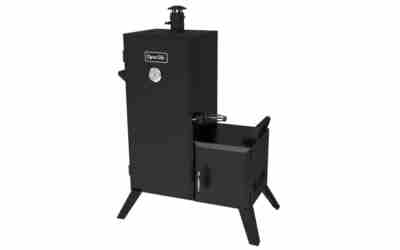
Oklahoma Joe's Highland Offset Smoker 900 sq in

Char-Broil 16" Bullet Smoker 388 sq in
As an Amazon Associate we earn from qualifying purchases. Product prices and availability are accurate as of the date/time indicated.
Frequently Asked Questions
Can I pull pork shoulder at 190°F?
Yes, if you plan to slice it or serve chunks. For shredding, 190°F is usually too early, and the meat will pull apart with effort. If the probe still meets resistance, wrap it and keep cooking toward 195-205°F.
Is a Boston butt different from pork shoulder for pull temperature?
Boston butt is the upper part of the shoulder, so the same 195-205°F range and probe test apply. It is often more evenly marbled. A picnic cut works too, but it can take a bit longer to tenderize.
Can I smoke pork shoulder overnight and hold it until morning?
Not in a cooler for that long. Holding past about 4 hours risks dropping below 140°F and turning mushy. Instead, cool and refrigerate within 2 hours, then reheat to 165°F with a splash of liquid.
Does a higher smoker temperature hurt pulled pork?
Not at 275°F, which shortens the cook. The pork still needs to reach the same tenderness. Higher heat can darken the bark faster and leave less margin, so start checking the probe earlier.
{“@context”: “https://schema.org”, “@type”: “FAQPage”, “mainEntity”: [{“@type”: “Question”, “name”: “Can I pull pork shoulder at 190°F?”, “acceptedAnswer”: {“@type”: “Answer”, “text”: “Yes, if you plan to slice it or serve chunks. For shredding, 190°F is usually too early, and the meat will pull apart with effort. If the probe still meets resistance, wrap it and keep cooking toward 195-205°F.”}}, {“@type”: “Question”, “name”: “Is a Boston butt different from pork shoulder for pull temperature?”, “acceptedAnswer”: {“@type”: “Answer”, “text”: “Boston butt is the upper part of the shoulder, so the same 195-205°F range and probe test apply. It is often more evenly marbled. A picnic cut works too, but it can take a bit longer to tenderize.”}}, {“@type”: “Question”, “name”: “Can I smoke pork shoulder overnight and hold it until morning?”, “acceptedAnswer”: {“@type”: “Answer”, “text”: “Not in a cooler for that long. Holding past about 4 hours risks dropping below 140°F and turning mushy. Instead, cool and refrigerate within 2 hours, then reheat to 165°F with a splash of liquid.”}}, {“@type”: “Question”, “name”: “Does a higher smoker temperature hurt pulled pork?”, “acceptedAnswer”: {“@type”: “Answer”, “text”: “Not at 275°F, which shortens the cook. The pork still needs to reach the same tenderness. Higher heat can darken the bark faster and leave less margin, so start checking the probe earlier.”}}]}