Yes, it is generally safe to grill on aluminum foil for most foods, with two conditions: keep acidic, salty or heavily marinated foods off the foil, and never cover the whole grate. Foil adds a small amount of aluminum to food, and on a gas grill it can block grease and airflow. This guide covers the food-safety side, the grill-safety side, and what to use instead when foil is the wrong tool.
Is it safe to grill on aluminum foil?
For most everyday grilling, yes. Wrapping corn, potatoes or plain fish in heavy-duty foil, or setting a foil pan on the grate, is a normal technique. There are two separate questions:
- Food safety: A little aluminum can move from foil into food. The amount rises with acid, salt, heat and time.
- Grill safety: Foil that covers grates, burners, vents or grease paths can trap heat and grease. For most people this is the bigger practical risk.
On the health side, the evidence is limited. The idea that dietary aluminum causes Alzheimer’s disease has not been proven, and this answer relies on agencies such as the Alzheimer’s Association, which does not list aluminum cookware or foil as a cause. Most lab data on foil comes from small studies run under worst-case conditions, so read the numbers as a guide to what raises transfer, not as a prediction for your dinner.
Does acidic or salty food pull more aluminum out of foil?
Yes. Published lab studies, including work indexed on PubMed, find that aluminum transfer goes up with acidity, salt, higher temperature and longer cooking time. Tomatoes, citrus, vinegar and wine-based marinades are the usual culprits, and acid can also pit or tear thin foil.
Most of those experiments use extreme conditions, such as long cooking in strongly acidic liquid, that a normal weeknight grill session does not match. That is why the practical rule is to avoid the acid-plus-foil combination rather than to avoid foil altogether.
How this compares with health guidance
The European Food Safety Authority (EFSA) set a tolerable weekly intake (TWI) for aluminum of 1 mg per kilogram of body weight per week in its 2008 scientific opinion. Other agencies use somewhat different figures. We all get aluminum from ordinary food, water and some additives, and EFSA’s opinion flagged that total dietary exposure for some consumers can be close to or above that level. For that reason, it makes sense to avoid adding extra aluminum where it is easy to do so.
If you grill in foil now and then with plain food, the added amount is small. If you wrap acidic or salty food in foil several times a week, change the method: use parchment, a pan or a basket instead.
Can foil damage a gas, charcoal or pellet grill?
Yes, if you use it to cover the cooking grates or the parts that move grease and air. Grill makers such as Weber advise against covering the cooking grates with foil, and against running a grill on high with foil in place to clean it. Blocked airflow can overheat internal parts and raise the fire risk. Your owner’s manual is the final word, because rules vary by model.
Gas grills
- Don’t cover the whole grate. Heat and grease can’t flow, and burners can run hot and uneven.
- Don’t line the grease tray, burner covers or flavorizer bars with foil unless the manual says you can. Foil can trap grease against hot metal.
- A small foil pan or a packet on the grate is fine as long as air can still move around it.
Charcoal grills
Foil over the grate keeps drippings from reaching the coals, which cuts smoke and flavor. It also lets grease pool and then flare when it finally spills. Don’t cover the bottom vents or the ash catcher with foil.
Pellet grills
The grease tray and heat baffle are the key parts. Foil on the drip tray is a common habit, but it can let grease collect and cause a fire if it overflows. If you use it, replace it often. Our guide on how to clean a pellet grill and avoid grease fires explains what to clear and how often.
Foil do’s and don’ts at a glance
| Situation | OK? | Why |
|---|---|---|
| Corn, potatoes, onions, plain fish in a sealed packet | Yes | Low acid, short to moderate cook times |
| Foil pan with food on the grate (indirect zone) | Yes | Contains drips; air still flows around the pan |
| Tomatoes, citrus or vinegar marinade sitting on foil | Avoid | Raises aluminum transfer and can pit the foil |
| Heavily salted meat cooked a long time in foil | Limit | Salt and time raise transfer |
| Foil covering the whole grate | No | Blocks heat, grease flow and airflow; fire risk |
| Foil over burners, vents or grease drain | No | Can cause overheating and grease fires |
| Foil on high heat to burn off grates | No | Manufacturer warning; traps heat |
| Thin foil for heavy loads | Avoid | Tears and sticks to hot parts |
Choose foil if you want a sealed packet or a disposable drip pan for plain, low-acid food. Where foil loses: it tears, it handles acid poorly, and it blocks the grill when overused.
How to use foil on the grill the safer way
- Pick heavy-duty foil. Thin foil tears, leaks juice onto burners and can stick to hot parts.
- Put a barrier under acidic food. Place tomatoes, lemon slices or marinated meat on parchment first, then wrap in foil, or use a different tool (see below).
- Double-wrap packets for long cooks. Fold the seams twice and leave some air space so steam can circulate.
- Place packets on the indirect side or on a grate with open space around them. Leave vents and grease drains uncovered.
- Use a drip pan, not a lined grate, under fatty cuts on an indirect setup.
- Let packets rest 2 to 3 minutes, then open them away from your face. Escaping steam causes burns.
Which side of foil faces the food?
For regular foil it doesn’t matter. The shiny and dull sides come from the manufacturing process, and cooking performance is essentially the same. The exception is non-stick foil, which has a coating on one side. Follow the package and put the coated side toward the food.
What to use instead of foil
| Option | Best for | Where it loses |
|---|---|---|
| Grill basket or perforated pan | Chopped vegetables, shrimp, small items | Less sear than open grates |
| Cast iron grill pan or griddle | Acidic foods, fish, smash burgers | Heavy; needs seasoning |
| Grill mat | Delicate fish, small vegetables | Has a maximum temperature; wears out |
| Parchment under foil | Packets with citrus or tomato | Not for direct flame or open grates |
| Soaked cedar plank | Salmon, other fillets | Needs soaking; can flare if dry |
For vegetables, a grill basket is usually the best swap. If you are choosing a grill with vegetables in mind, our guide to grills that handle vegetables well covers setups for delicate produce. Grill mats and parchment have temperature limits that vary by product, so read the rating on the package and stay below it.
Gear that makes foil-free grilling easier
If you want to cut back on foil, these are the items to look at first. We are listing product types here, not specific models.
- Grill baskets: Good for vegetables and shrimp, and they keep small pieces from falling through the grate.
- Heavy-duty foil: Still the right choice for sealed packets and drip pans with plain, low-acid food.
- Grill mats: Useful for delicate fish. Check the maximum temperature on the package before you buy.
- Cast iron grill pan: Handles acidic marinades and fish without a foil layer, and holds heat well.
Cleanup and disposal
- Cool first. Let foil and pans cool completely before handling. Hot grease inside a pan can spill.
- Drain grease into a can, not the trash bag. Let it set, then throw it away with household trash. Don’t pour it down the drain.
- Recycling depends on your area. Clean foil can often be recycled in curbside programs, but greasy or food-soiled foil usually can’t. Check local rules, and if it is dirty, put it in the trash.
- Don’t reuse torn or burnt foil for food contact.
- Don’t clean grates with foil. Scrub them with a brush after the grill has preheated, as your owner’s manual directs.
Our Top Picks
Ready to shop? These are the top-rated options from our hands-on roundup, Best Pellet Grill of 2026.
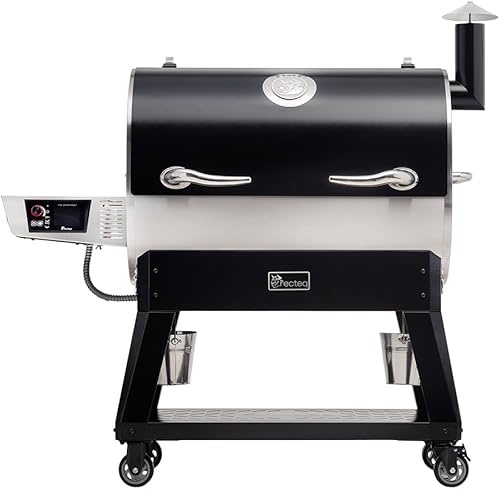
recteq Flagship 1600 Wood Pellet Grill 1667 sq in

Z GRILLS 2026 Electric Pellet Smoker & Grill, 700 sq. in Cooking Space, PID 3.0 Precision Control, Dual Meat Probes, 28-Hour Hopper, Dual-Wall Insulated Base, 8-in-1 BBQ with Cover

Traeger Woodridge Wood Pellet Grill & Smoker, 860 Sq In, WiFi | 500°F max temp, 6-in-1 versatility – grill, smoke, bake, roast, braise & BBQ with WiFIRE app control
As an Amazon Associate we earn from qualifying purchases. Product prices and availability are accurate as of the date/time indicated.
Frequently Asked Questions
Can you put foil directly on grill grates?
You can put a small piece under a single item or use a foil pan, but don’t cover the whole grate. Full coverage blocks heat, grease and airflow, which can cause overheating and flare-ups. Check your grill’s manual for model-specific limits.
Does aluminum foil from grilling cause Alzheimer’s?
No link has been proven. Researchers have studied dietary aluminum, but the Alzheimer’s Association and other major health bodies do not list foil cooking as a cause. Most foil studies are small lab tests.
Can you grill on foil in the oven or smoker?
Foil pans and packets are commonly used in both. In a smoker, keep foil from blocking vents or the drip path, and poke holes only when you want smoke to reach the food. In an oven, avoid lining the floor or covering vents unless the manufacturer’s manual allows it.
Does foil leave a metallic taste or turn food gray?
It can. Foil may pit or darken where it touches acidic or salty food, and some people notice a metallic taste. If you see spots or taste metal, switch to parchment, a pan or a grill basket for that dish.
How hot can grill mats go?
It depends on the product. Mats have a maximum temperature set by the maker, so check the package rating and keep your grill below it.
{“@context”: “https://schema.org”, “@type”: “FAQPage”, “mainEntity”: [{“@type”: “Question”, “name”: “Can you put foil directly on grill grates?”, “acceptedAnswer”: {“@type”: “Answer”, “text”: “You can put a small piece under a single item or use a foil pan, but don’t cover the whole grate. Full coverage blocks heat, grease and airflow, which can cause overheating and flare-ups. Check your grill’s manual for model-specific limits.”}}, {“@type”: “Question”, “name”: “Does aluminum foil from grilling cause Alzheimer’s?”, “acceptedAnswer”: {“@type”: “Answer”, “text”: “No link has been proven. Researchers have studied dietary aluminum, but the Alzheimer’s Association and other major health bodies do not list foil cooking as a cause. Most foil studies are small lab tests.”}}, {“@type”: “Question”, “name”: “Can you grill on foil in the oven or smoker?”, “acceptedAnswer”: {“@type”: “Answer”, “text”: “Foil pans and packets are commonly used in both. In a smoker, keep foil from blocking vents or the drip path, and poke holes only when you want smoke to reach the food. In an oven, avoid lining the floor or covering vents unless the manufacturer’s manual allows it.”}}, {“@type”: “Question”, “name”: “Does foil leave a metallic taste or turn food gray?”, “acceptedAnswer”: {“@type”: “Answer”, “text”: “It can. Foil may pit or darken where it touches acidic or salty food, and some people notice a metallic taste. If you see spots or taste metal, switch to parchment, a pan or a grill basket for that dish.”}}, {“@type”: “Question”, “name”: “How hot can grill mats go?”, “acceptedAnswer”: {“@type”: “Answer”, “text”: “It depends on the product. Mats have a maximum temperature set by the maker, so check the package rating and keep your grill below it.”}}]}