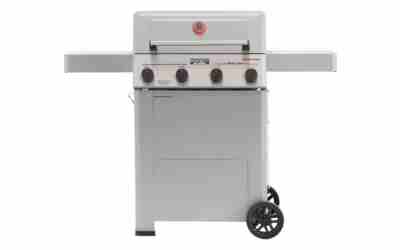
What size grill to buy comes down to cooking area: plan on 72 to 100 square inches of primary grate per person you regularly feed. A family of four does well with 400 to 500 square inches, usually a 3- or 4-burner gas grill. Measure grate only, ignore warming racks, and size up only if you host often.
What size grill to buy by household size
Start with how many people you cook for on a normal night, then add a little for guests. Retailer and manufacturer guides don’t agree exactly. A common rule is about 72 sq in of primary cooking area per person. BBQGuys suggests closer to 100 sq in if you want elbow room and want to cook everything in one pass. Treat 72 as the floor and 100 as comfortable.
| People you regularly feed | Primary cooking area | Typical gas burners |
|---|---|---|
| 1–2 | 150–300 sq in | 1–2 |
| 3–5 | 360–500 sq in | 3 |
| 4–6 | 400–550 sq in | 3–4 |
| 6–8 | 600–850 sq in | 4–5 |
| 10+ | 700+ sq in | 4–6 |
These ranges blend several retailer charts, which is why they overlap. Burner count varies by model, so use square inches first and burners second.
For a longer people-by-people breakdown, see our guide on how much grill space you need.
How do you measure a grill’s real cooking area?
Cooking area is grate width times grate depth, in inches. Only count surface you can actually cook a steak on. Manufacturers often include the warming rack in the “total cooking area” number, but a warming rack only holds buns and finished food.
- Measure the width of the main grates, side to side.
- Measure the depth, front to back.
- Multiply the two numbers. That is your primary cooking area.
- Leave out the warming rack, side burner and any sear station you can’t fit a full meal on.
Worked example: A listing says 640 sq in total. The main grate is 24 in wide and 18 in deep, so 24 × 18 = 432 sq in. The other 208 sq in is the warming rack. At 72 sq in per person, 432 feeds six. At 100 sq in per person, it feeds four. So this grill is a good fit for a family of four who sometimes has guests, not for a regular crowd of eight.
How much food fits on each grill size?
Most pages stop at square inches. Here is what that means on the grate. The numbers below are my own planning estimates, not test results. They assume about 20 sq in per 4-inch burger, 45 sq in per 12-oz ribeye and 30 sq in per bone-in chicken thigh, including spacing. They also assume you only use about 65% of the grate for direct heat, leaving a cooler zone for moving food.
| Primary area | Burgers | Ribeyes | Chicken thighs |
|---|---|---|---|
| 300 sq in | about 9 | about 4 | about 6 |
| 450 sq in | about 14 | about 6 | about 9 |
| 600 sq in | about 19 | about 8 | about 13 |
| 750 sq in | about 24 | about 10 | about 16 |
This also explains why the published square-inch ranges differ. Someone grilling burgers for kids needs less than someone cooking steaks, corn and vegetables at the same time. A full meal on one pass needs more room than a one-item cookout.
Is a 3-burner or 4-burner grill better for a family of four?
A 3-burner grill with 400 to 500 sq in suits most families of four. Choose a 4-burner if you often feed six or more, or cook big items with a lot of side dishes at once. BBQGuys also puts families of 4 to 6 in the standard 3- to 4-burner range.
What matters more than the count is heat zones. You want at least two: a hot side for searing and a cooler side for finishing or holding food. Whole chickens, roasts and thick pork cuts cook best over indirect heat, and the pan or bird has to fit in that cooler zone. On grills under roughly 350 sq in, that gets tight. Check the manual or a spec sheet for lid height if you plan to roast.
- Choose 2 burners if you cook for 1–3 people and want a smaller footprint. It loses on big cuts and hosting.
- Choose 3 burners if you feed 3–5 people. It loses when you cook for crowds. See our picks of 3-burner gas grills.
- Choose 4+ burners if you feed 6 or more or cook big meals. It loses on price, space and storage.
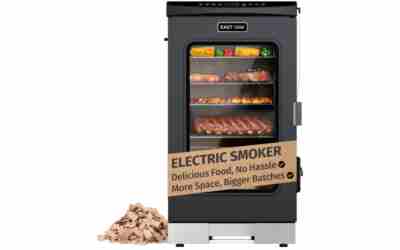
If your goal is brisket or pulled pork rather than steaks and burgers, grate area matters less than the cooker type. A wood pellet grill is built for long, low cooks.
Does a bigger grill cost more to buy and run?
Bigger grills usually cost more up front. Running costs depend less on size than people expect. On gas, you burn fuel for the burners you light, and you can run just one or two on a big grill. Larger grills can take a little longer to preheat and, with charcoal, you may light more fuel to fill the box. Pellet and charcoal consumption varies by model, so check manufacturer specs.
For scale, a 20-lb propane tank holds about 4.7 gallons, or roughly 430,000 BTU of fuel. A typical 3-burner grill on high uses far less than all its rated BTU when you cook on medium, so tank life varies a lot with how you cook. Natural gas models skip tank swaps but need a gas line.
Decision rule: buy for the 80% of cooks you do, not the one party a year. For a big party, cook in batches and hold finished food in a covered pan in a 200°F oven. If you only host a few times a year, that is cheaper than a grill that is too large for every other cookout.
If budget is the main limit, start with affordable gas grills, or browse our broader roundup of grills to buy.
Will the grill fit your patio, balcony or built-in space?
Measure the space before you pick a size. Use the cart footprint with side shelves up, not just the grate. Add the depth of the open lid, since the lid swings back and up. Then add the clearance the manual calls for. Required distances to walls, railings and overhangs vary by model, so use the manufacturer’s numbers.
For built-ins, one retailer guide says a 36-inch grill needs about 42 inches of counter width once clearance is added. Follow the installation instructions for clearance to combustible materials, and check your local code.
Safety: Use grills outdoors only, never in a garage, under a covered porch with walls, or on a balcony where rules forbid it. Many apartment and condo rules, and some local fire codes, ban or restrict charcoal and propane grills on balconies, so check yours before buying. Keep grills well clear of walls, railings, eaves and overhangs. Never move a lit grill.
Short on room? Look at small grills or small gas grills. Electric models may be allowed where flame grills are not, but confirm with your landlord or HOA.
Quick checklist before you buy
- Count the people you feed most weeks, then multiply by 72 to 100 sq in.
- Measure primary grate area yourself and ignore warming racks.
- Pick burners for heat zones: at least two zones, three for most families.
- Measure your space with the lid open and shelves out.
- Check HOA, lease and fire code rules for your fuel type.
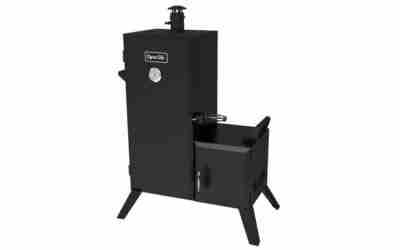
- Decide on fuel: gas for speed, charcoal for flavor, pellet for low-and-slow, natural gas if you have a line.
Common mistake: shopping by total square inches or BTU. A big BTU number or a big “total area” figure doesn’t mean more usable grate. Compare primary cooking area, burner layout and lid height instead.
Our Top Picks
Ready to shop? These are the top-rated options from our hands-on roundup, Best 4 Burner Grill of 2026.

Weber Spirit E-425 4-Burner Propane Gas Grill with Sear Zone and Weber Works Rails, Black

Monument Grills Mesa II 410FBZ 4-Burner Propane Gas Grill with Advanced Broil Zone and Stainless Steel Burners

Electactic JD-4B 4-Burner 42000BTU Propane Grill
As an Amazon Associate we earn from qualifying purchases. Product prices and availability are accurate as of the date/time indicated.
Frequently Asked Questions
Do warming racks count toward cooking area?
No. Many brands add the warming rack to a “total cooking area” number, but you can’t sear a steak on it. For sizing, count only the main grates by multiplying width by depth.
What size grill do I need for a party of 10 or more?
Plan on about 700 sq in or more of primary area, usually a 4-burner or larger grill. If you host only occasionally, a mid-size grill works if you cook in batches and keep finished food warm in a low oven.
What size grill is best for a small patio or balcony?
A 1- to 2-burner or compact grill of 150 to 300 sq in is usually the best fit. Check your lease, HOA and local fire code first, since many restrict propane and charcoal grills on balconies.
Should I buy a bigger grill if I host a few times a year?
Usually not. Buy for your regular weeknight cooking and handle big gatherings by cooking in batches. A larger grill costs more and takes more room, but you can usually light only some burners, so fuel use is less of an issue.
{“@context”: “https://schema.org”, “@type”: “FAQPage”, “mainEntity”: [{“@type”: “Question”, “name”: “Do warming racks count toward cooking area?”, “acceptedAnswer”: {“@type”: “Answer”, “text”: “No. Many brands add the warming rack to a “total cooking area” number, but you can’t sear a steak on it. For sizing, count only the main grates by multiplying width by depth.”}}, {“@type”: “Question”, “name”: “What size grill do I need for a party of 10 or more?”, “acceptedAnswer”: {“@type”: “Answer”, “text”: “Plan on about 700 sq in or more of primary area, usually a 4-burner or larger grill. If you host only occasionally, a mid-size grill works if you cook in batches and keep finished food warm in a low oven.”}}, {“@type”: “Question”, “name”: “What size grill is best for a small patio or balcony?”, “acceptedAnswer”: {“@type”: “Answer”, “text”: “A 1- to 2-burner or compact grill of 150 to 300 sq in is usually the best fit. Check your lease, HOA and local fire code first, since many restrict propane and charcoal grills on balconies.”}}, {“@type”: “Question”, “name”: “Should I buy a bigger grill if I host a few times a year?”, “acceptedAnswer”: {“@type”: “Answer”, “text”: “Usually not. Buy for your regular weeknight cooking and handle big gatherings by cooking in batches. A larger grill costs more and takes more room, but you can usually light only some burners, so fuel use is less of an issue.”}}]}