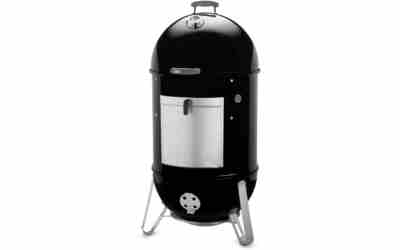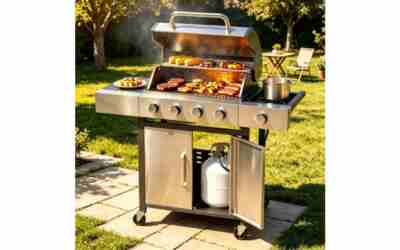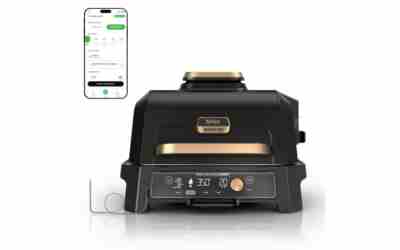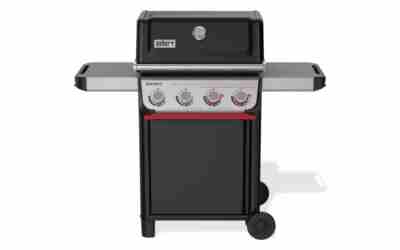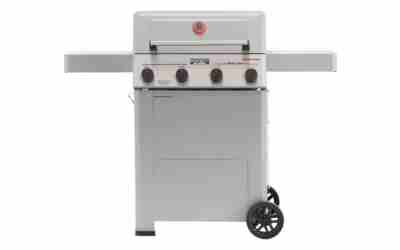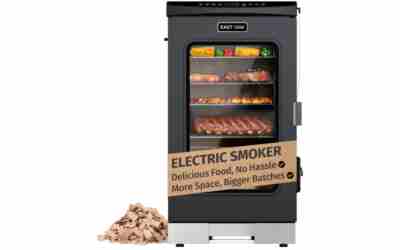

To choose a smoker, match the fuel to the attention you will give it: pellet or electric for easy, set-and-forget cooks, charcoal or offset for the strongest smoke flavor, and a grate area 1.5 to 2 times the size of the food you smoke. Budget, space and power access then narrow the field.
How to choose a smoker in four questions
Answer these in order. The first question with a firm answer usually points to a type.
- How much hands-on time will you give it? Very little: pellet or electric. Happy to tend a fire: charcoal, offset or kamado.
- How strong should the smoke taste? Light: electric. Moderate: pellet or kamado. Strongest: charcoal or offset.
- What space and power do you have? Pellet and electric models need an outlet. Charcoal and offset models need open ventilation and room for fuel and ash.
- How much will you cook at once? See the sizing math below.
Decision rule: if you want repeatable results with a quick start, buy pellet or electric. If you want to learn fire control and care more about flavor than convenience, buy a charcoal bullet, kettle or kamado. Choose an offset only if you actively enjoy tending a fire. No type is best for everyone.
If this is your first smoker, our best smoker for beginners roundup narrows the choices by skill level.
Pellet, electric, charcoal, offset and kamado smokers compared
| Type | Ease | Smoke flavor | Temperature control | Choose this if | Where it loses |
|---|---|---|---|---|---|
| Pellet | Easy | Mild to moderate | Good; a controller feeds pellets to hold your set temp | You want a quick start and steady results | Needs power, has parts that can fail, pellets must be bought steadily |
| Electric | Easiest | Lightest | Good; thermostat-driven | You have an outlet and little space or time | Lightest smoke, electronics can fail, cold and wind can slow some models |
| Charcoal (bullet or kettle) | Moderate | Strong | Manual; you set vents and learn by practice | You want to learn fire control on a modest budget | Refueling on long cooks, ash cleanup, a learning curve |
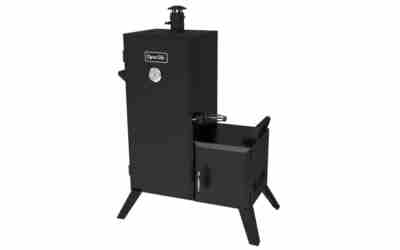
| Offset stick burner | Hardest | Strongest | Hardest; you manage a separate firebox | You enjoy the craft and cook large cuts | Constant attention, wood supply, big footprint |
| Kamado (ceramic) | Moderate | Moderate to strong | Very steady once vents are set; thick walls hold heat | You want to smoke, grill and sear in one cooker | Heavy, ceramic can crack if mishandled, small grate for the cost |
Ratings are general patterns. Build quality varies by model, so a well-made charcoal cooker can hold heat better than a thin pellet grill.
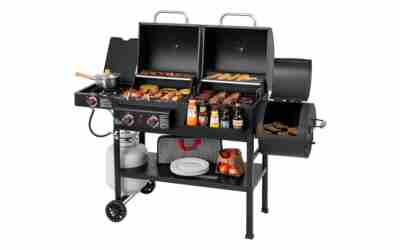
Propane smokers are a sixth option. They hold temperature easily, but check that the tank is full before a long cook. If pellet cooking appeals, our best pellet smoker grills guide compares models.
Upkeep differs too. Pellet and charcoal users buy fuel every few cooks, while electric users pay only for power. Offset users need a steady supply of split wood.
What size smoker do you need?
Pick a cooking area about 1.5 to 2 times the footprint of the food, so meat stays clear of direct heat and has airflow. Count the total grate area across all racks.
Worked example (estimate): a family of four smoking two racks of ribs lying flat. Assume each rack takes about 6 by 13 inches, or 78 square inches. Two racks is 156 square inches, and 156 x 1.5 to 2 gives roughly 234 to 312 square inches. A 12-pound brisket at about 16 by 10 inches (160 square inches) gives 240 to 320 square inches. So about 240 to 320 square inches covers a typical family cook.
Size up if you:
- host groups or like leftovers for the freezer
- cook several pork butts or briskets at once
- want to smoke sides or sausage alongside the main meat
Bigger is not always better. A large cooker burns more fuel and takes longer to heat. If you cook for two to four people on a patio, a compact unit may fit better, and our best small smoker grill picks cover that case.
Features that matter when you choose a smoker
Features separate a cooker that holds 225 to 250°F all afternoon from one that fights you.
- Insulation and steel thickness: thicker steel, double walls or ceramic hold heat better in wind and cold. Manufacturers list gauge, but it varies by model.
- Seals and fit: gaps around doors and lids leak smoke and heat. Look for tight gaskets and doors that close squarely.
- Thermometers: built-in lid thermometers can read well off the real grate temperature. Plan on a separate probe. To check one, place it in boiling water; it should read about 212°F at sea level, less at altitude.
- Ash and grease management: a removable ash pan and a grease drain make cleanup far easier. Grease buildup is also a fire risk.
- Warranty and parts: read what the warranty covers and whether igniters, controllers and grates can be replaced. Pellet and electric models have parts that can fail.
- App and wifi control: nice for long cooks, but not a reason to pick one smoker over a better-built one.
Where to put a smoker and basic safety
Use charcoal, wood, pellet and gas smokers outdoors only, never in a garage or under a covered porch. They produce carbon monoxide and can start fires. Follow the manual for clearances from walls, decks, railings and overhangs; many specify several feet.
- Apartments and HOAs: check your lease, HOA rules and local fire code. Some ban charcoal or gas on balconies, and electric may be the only option.
- Electric and pellet: plug into a GFCI outlet and keep the controller dry.
- Propane: keep the tank upright and brush soapy water on hoses and fittings to check for leaks (bubbles mean a leak).
- Ash: let it cool fully and dispose of it in a metal container.
- Wind: shield the cooker from strong gusts, which cause temperature swings and spread embers.
For food safety, confirm doneness with a probe thermometer, not time. USDA minimums are 165°F for poultry, 160°F for ground meat, and 145°F with a 3-minute rest for whole cuts of beef, pork and lamb. Brisket and pork shoulder are usually taken to about 195 to 205°F for tenderness. Do not leave perishable food between 40 and 140°F for more than 2 hours.
What you need to start smoking
Buy these with the smoker so your first cook goes smoothly:
- Dual-probe thermometer: one probe for the meat and one for the grate.
- Fuel: pellets, charcoal or split wood, plus wood chunks or chips for flavor if your model uses them.
- Chimney starter for charcoal, which avoids lighter fluid.
- Heat-resistant gloves and long tongs.
- Drip pans, foil and butcher paper for catching grease and wrapping.
- A metal ash bucket for charcoal and wood users.
Common mistakes:
- Buying too small. Check the grate area against your usual cook first.
- Trusting the lid thermometer.
- Producing thick white smoke. Thin, pale blue smoke tastes better.
- Opening the lid constantly, which drops the temperature.
- Cooking to a clock instead of internal temperature.
For a first low-and-slow cook, our guide on how to smoke ribs in a smoker gives times, temps and steps.
Our Top Picks
Ready to shop? These are the top-rated options from our hands-on roundup, Best Pellet Grills And Smokers of 2026.

Z GRILLS 2026 Electric Pellet Smoker & Grill, 700 sq. in Cooking Space, PID 3.0 Precision Control, Dual Meat Probes, 28-Hour Hopper, Dual-Wall Insulated Base, 8-in-1 BBQ with Cover

Traeger Pro 22 Wood Pellet Grill & Smoker, 572 Sq In, WiFi | 6-in-1 BBQ versatility, meat probe, 450°F max, 18 lb hopper – grill, smoke, bake, roast, braise & BBQ

Z GRILLS ZPG-450A2 Wood Pellet Grill & Smoker, PID V3.0 Controller, 459 Sq in Cook Area, Foldable Shelf&Side Shelf, Meat Probe, Rain Cover, 8 in 1 BBQ Grill Outdoor Auto Temperature Control, Bronze
As an Amazon Associate we earn from qualifying purchases. Product prices and availability are accurate as of the date/time indicated.
Frequently Asked Questions
Can I use a regular grill as a smoker?
Yes, with limits. A charcoal kettle or gas grill can smoke at 225 to 250°F if you set up indirect heat and add wood chunks or a smoke box. Temperature control takes more effort, and very long cooks need frequent refueling.
Is an offset smoker worth it for a beginner?
Usually not as a first smoker. Offsets give the strongest smoke flavor but require constant fire management and a steady wood supply. A charcoal bullet, kettle or pellet cooker lets you learn temperature control with fewer variables.
Pellet smoker or electric smoker: which is better?
Pellet gives more smoke flavor and often more grate area, plus some grilling ability on many models. Electric is simpler, needs less cleanup and works well in tight spaces. Choose pellet for flavor and versatility, electric for simplicity.
How should I spend my budget on a first smoker?
Put money into build quality, tight seals, and a reliable way to hold temperature, not app features. Cheap thin-walled units often leak heat and burn more fuel. Compare warranty length and parts availability before comparing extras.
{“@context”: “https://schema.org”, “@type”: “FAQPage”, “mainEntity”: [{“@type”: “Question”, “name”: “Can I use a regular grill as a smoker?”, “acceptedAnswer”: {“@type”: “Answer”, “text”: “Yes, with limits. A charcoal kettle or gas grill can smoke at 225 to 250°F if you set up indirect heat and add wood chunks or a smoke box. Temperature control takes more effort, and very long cooks need frequent refueling.”}}, {“@type”: “Question”, “name”: “Is an offset smoker worth it for a beginner?”, “acceptedAnswer”: {“@type”: “Answer”, “text”: “Usually not as a first smoker. Offsets give the strongest smoke flavor but require constant fire management and a steady wood supply. A charcoal bullet, kettle or pellet cooker lets you learn temperature control with fewer variables.”}}, {“@type”: “Question”, “name”: “Pellet smoker or electric smoker: which is better?”, “acceptedAnswer”: {“@type”: “Answer”, “text”: “Pellet gives more smoke flavor and often more grate area, plus some grilling ability on many models. Electric is simpler, needs less cleanup and works well in tight spaces. Choose pellet for flavor and versatility, electric for simplicity.”}}, {“@type”: “Question”, “name”: “How should I spend my budget on a first smoker?”, “acceptedAnswer”: {“@type”: “Answer”, “text”: “Put money into build quality, tight seals, and a reliable way to hold temperature, not app features. Cheap thin-walled units often leak heat and burn more fuel. Compare warranty length and parts availability before comparing extras.”}}]}