
To plant shrubs properly, dig a hole as deep as the root ball and 2 to 3 times as wide, with the root flare at ground level.
When is the best time to plant shrubs?
Fall and early spring are the best windows in most of the US. Mild air and moist soil let roots grow before summer heat or a hard freeze. Exact dates depend on your hardiness zone, so check your state’s cooperative extension planting calendar, and follow the plant tag for anything specific to your shrub.
- Cold-winter zones: plant in early spring as soon as the soil is workable, or in early fall, finishing several weeks before the ground freezes.
- Hot-summer, mild-winter areas (Gulf Coast, Southwest): plant in fall or winter so roots are established before summer.
- Summer: it works for container-grown shrubs, but a new root ball dries out fast. Check moisture every day or two during hot spells.
Do not dig in frozen or waterlogged soil. Working wet clay smears the hole walls and slows root growth.
What to check before you dig
Call 811 first. It is the free US line that gets underground utilities marked, and it is required before most digging. Also keep new shrubs clear of septic lines, overhead wires and foundations. Local code may set minimum distances, so check it for your lot.
Read the plant tag for sun needs and mature width and height. If kids or pets use the yard, confirm the shrub is not toxic. Oleander, yew and azalea are common examples that are.
Test drainage in 10 minutes
- Dig a hole about 12 inches deep where the shrub will go.
- Fill it with water and let it drain, then fill it again.
- If water is still standing after 24 hours, drainage is poor.
With poor drainage, pick another spot or plant on a gentle mound so the root ball sits above the wet zone.
How to plant a shrub step by step
- Find the root flare. This is the spot where the trunk widens at the base. In a pot, soil is often piled over it, so brush the soil away until you see it.
- Measure from the flare to the bottom of the root ball. That number is your hole depth. Do not dig deeper.
- Dig the hole 2 to 3 times as wide as the root ball with sloped sides. Pile the soil on a tarp. In clay, rough up smooth, glazed walls with the shovel.
- Prepare the roots using the table in the next section.
- Set the shrub in the hole. Lift by the ball or pot, never the trunk. Lay a shovel handle across the hole to check that the flare is level with the ground. In heavy clay, set it 1 to 2 inches above grade.
- Backfill with the soil you dug out. Add it in layers, pressing gently with your hands to push out air pockets. Do not stomp it down.
- Water slowly and deeply until the whole root ball and the soil around it are soaked.
- Mulch about 2 inches deep in a wide ring. Leave a gap of a few inches around the stem so bark does not stay wet.
The most common mistake: planting too deep
Buried trunks stay damp and can rot, and roots can circle the stem. Signs include no visible flare, a trunk that goes straight into the soil like a post, and slow growth or yellowing leaves.
On a shrub planted this season, dig it up and reset it at the correct height. On an established one, pull soil and mulch back until the flare shows.
How to handle container, balled-and-burlapped and bare-root roots
| Root type | Prep before planting | Watch for |
|---|---|---|
| Container | Slide it out of the pot. Loosen circling roots with your fingers, or score a matted ball with a knife in several places. | Roots wound around the ball strangle the shrub later if left alone. |
| Balled-and-burlapped | Set the ball in the hole first, then cut the twine. Peel back or cut off the top half of the burlap and wire basket. Remove all plastic or synthetic burlap. | The ball is heavy, so get a helper and lift by the ball only. |
| Bare-root | Soak the roots in a bucket of water for a few hours, following the supplier’s label. Trim broken roots. Spread the roots over a small soil cone in the hole. | Plant only while dormant, and never let the roots dry out. |
Should you amend the soil when you plant a shrub?
Usually not. Backfill with the native soil you dug out. A hole filled with rich compost can act like a flowerpot in clay: water collects in it and roots hesitate to leave it.
- Heavy clay: use native soil and set the flare slightly high. Improve the whole bed over time if you want, not just the hole.
- Sandy soil: mix a little compost into the backfill if the soil drains very fast, and expect to water more often.
- Slopes: build a small soil berm on the downhill side to hold water over the root ball.
Skip heavy fertilizer at planting. A soil test through your county extension office will tell you whether anything is actually missing.
How far apart should you plant shrubs?
Space centers at about the mature width (6 ft for a 6 ft shrub); keep the center 1/2 mature width from walls or fences. Always base this on the mature width printed on the plant tag, not the size of the nursery plant, and measure from the center of the trunk.
Leave extra room beside walls with eaves, and enough space behind to paint or prune. Check local code for fence and property-line setbacks.
Worked example: 30-foot row along a fence
The plant tag says the shrub grows 6 feet wide. The row runs parallel to the fence, and each trunk center sits 3 feet out from it (half of 6 feet). Along the row, centers are 6 feet apart, and the first and last shrubs each sit 3 feet from the ends of the 30-foot line, which is half the spacing.
Plant at 3, 9, 15, 21 and 27 feet along the row. That is 5 shrubs: 5 × 6 feet = 30 feet.
A young hedge looks sparse for a few seasons. That is normal, and planting closer than the tag suggests leads to crowding later.
How much should you water newly planted shrubs?
Water deeply and less often rather than a little every day. Each time, soak the root ball and the soil around it about 6 to 8 inches down. A hose on a slow trickle works well.
| Period | How often |
|---|---|
| Weeks 1 and 2 | Every 2 days (daily in hot, windy weather) |
| Weeks 3 through 12 | 1 to 2 times a week |
| Rest of the first growing season | Once a week during dry spells |
| Late fall | One deep soak before the ground freezes |
Each watering means about 1 inch of water, or a slow trickle of 10 to 15 minutes. Clay holds water longer, so lean toward the low end. Sandy soil may need more.
Check the soil before every watering
- Push a finger 2 inches into the soil near the root ball. If it is damp, wait.
- Too little water: wilting, dry crispy leaf edges and dry soil.
- Too much water: yellow leaves, wilting while the soil is wet, and puddles that linger.
The one-line rule to remember
Flare at grade, native soil, deep soak, 2 inches of mulch.
Our Top Picks
Ready to shop? These are the top-rated options from our hands-on roundup, Best Shrubs For Containers of 2026.

Proven Winners Sweet & Lo Sweet Box Shrub

Southern Living Obsession Nandina 2 Gal
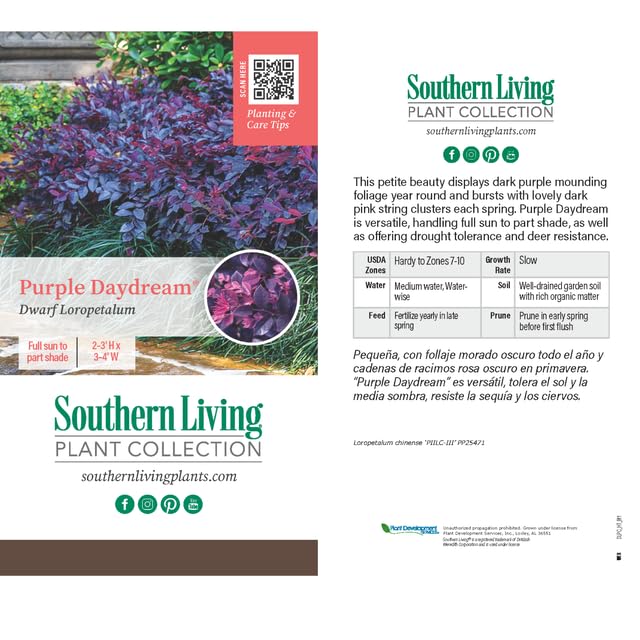
Southern Living Purple Daydream Loropetalum 1 Gal
As an Amazon Associate we earn from qualifying purchases. Product prices and availability are accurate as of the date/time indicated.
Related reading: The Best Plants for Flower Boxes of 2026 · The Best Plants for Concrete Planters of 2026
Frequently Asked Questions
Should I prune a shrub when I plant it?
Only remove dead, broken or crossing branches. Cutting back healthy growth removes leaves the plant needs to feed new roots. Wait to shape or shear it until it has grown through one full season.
Do I need to stake a newly planted shrub?
Rarely. Shrubs have low centers of gravity, and a moving stem helps roots anchor. Stake only in a very windy spot or if the shrub leans, using loose ties, and remove them within a year.
Is a bigger shrub always a better buy for planting?
No. A larger root ball needs a wider hole, more lifting and more water to get established. A smaller plant is easier to handle, so choose the size you can plant correctly.
Can I plant shrubs closer together for a faster hedge?
You can, but they will crowd each other as they mature. Decision rule: use the mature width on the tag for a loose planting, and use any closer hedge spacing the tag or label gives.
What if the shrub has sat in its nursery pot for weeks?
Keep it in a shady spot and water it daily until planting, since pots dry out quickly. Before it goes in the ground, check for circling roots and loosen them, which matters more the longer it has been potted.
{“@context”: “https://schema.org”, “@type”: “FAQPage”, “mainEntity”: [{“@type”: “Question”, “name”: “Should I prune a shrub when I plant it?”, “acceptedAnswer”: {“@type”: “Answer”, “text”: “Only remove dead, broken or crossing branches. Cutting back healthy growth removes leaves the plant needs to feed new roots. Wait to shape or shear it until it has grown through one full season.”}}, {“@type”: “Question”, “name”: “Do I need to stake a newly planted shrub?”, “acceptedAnswer”: {“@type”: “Answer”, “text”: “Rarely. Shrubs have low centers of gravity, and a moving stem helps roots anchor. Stake only in a very windy spot or if the shrub leans, using loose ties, and remove them within a year.”}}, {“@type”: “Question”, “name”: “Is a bigger shrub always a better buy for planting?”, “acceptedAnswer”: {“@type”: “Answer”, “text”: “No. A larger root ball needs a wider hole, more lifting and more water to get established. A smaller plant is easier to handle, so choose the size you can plant correctly.”}}, {“@type”: “Question”, “name”: “Can I plant shrubs closer together for a faster hedge?”, “acceptedAnswer”: {“@type”: “Answer”, “text”: “You can, but they will crowd each other as they mature. Decision rule: use the mature width on the tag for a loose planting, and use any closer hedge spacing the tag or label gives.”}}, {“@type”: “Question”, “name”: “What if the shrub has sat in its nursery pot for weeks?”, “acceptedAnswer”: {“@type”: “Answer”, “text”: “Keep it in a shady spot and water it daily until planting, since pots dry out quickly. Before it goes in the ground, check for circling roots and loosen them, which matters more the longer it has been potted.”}}]}