
To start a grill, open the lid and either press the igniter on a gas burner or light a full chimney of charcoal until the top coals turn gray.
Check these things before you light any grill
Most lighting problems and nearly all accidents come from skipping a 60-second check. Do these first, whatever fuel you use.
- Location: Set the grill outdoors on level ground, away from siding, railings, branches and overhangs. Never light it in a garage, carport or other enclosed space. Your manual lists the minimum clearance for your model, so follow it.
- Clean out the old mess: Remove built-up grease from the drip tray and empty old ash from a charcoal grill. Ash blocks airflow, and grease feeds flare-ups.
- Gas only, leak test: Brush a 50/50 mix of dish soap and water on the hose and every connection. Open the tank valve slowly. Growing bubbles mean a leak. Close the valve, tighten the fitting and retest. If bubbles persist, do not use the grill until the part is replaced.
- Gas only, fuel level: Lift the tank to judge its weight, or use a tank gauge. An empty tank is the most common reason a grill seems dead.
- Gear: Have long-handled tongs, heat-proof gloves and a lighter or long match within reach.
If you ever smell gas, shut off the tank valve, move away and keep flames and sparks clear. Do not try to light the grill until the source is found.
How to start a gas grill step by step
These steps apply to most propane grills with push-button igniters. Control layouts differ by model, so check your manual for the exact order.
- Open the lid fully. Gas that collects under a closed lid can flash when it ignites.
- Turn all burner knobs to OFF.
- Open the propane tank valve slowly, about a half turn. Opening it slowly keeps the safety flow-limiter in the regulator from tripping.
- Turn one burner knob to HIGH and press the igniter. You should hear clicking and see the burner light within a few seconds.
- If the grill has more burners, light the rest one at a time, or use the lighting sequence your manual gives.
- Close the lid and let the grill preheat with the burners on high. A gas grill commonly reaches about 350°F in about 15 minutes, but check the lid thermometer and your manual rather than the clock.
- Brush the grates clean while they are hot, then lower the burners to your cooking setting.
If the burner does not light within a few seconds, turn the knob off, wait about five minutes for the gas to clear, and try again. Do not keep clicking with the gas running.
How to start a charcoal grill with a chimney starter
A chimney starter lights charcoal without lighter fluid, so food does not pick up a chemical taste. It works with briquettes and lump charcoal.
- Empty old ash from the bottom of the grill and open the bottom vents all the way.
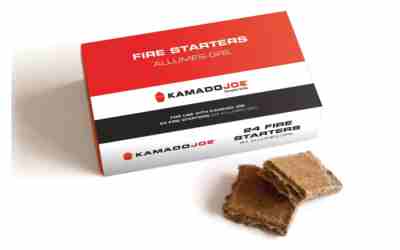
- Put one or two fire starter cubes, or a crumpled sheet of newspaper, on the charcoal grate. Stand the chimney over them.
- Fill the chimney with charcoal: full for high-heat searing, about half for slower, moderate cooking.
- Light the starter from the bottom through the side vents.
- Wait about 10 to 20 minutes. The coals are ready when the top ones are covered in gray ash and glowing at the edges. Do not wait for every coal to turn white, or the bottom ones burn out.
- Wearing gloves, pour the coals onto the grate in the pattern you want, add the cooking grate and close the lid.
- Let the grill preheat another 10 to 15 minutes with the lid on and the vents open. Searing temperatures are around 500°F.
The empty chimney stays dangerously hot. Set it on bare dirt, concrete or fire-safe bricks, never on a wooden deck or the lawn.
If you use lighter fluid or an electric starter
Pile the charcoal in a pyramid, apply the fluid, let it soak in for 30 to 60 seconds, then light it. Never add fluid to coals that are already lit or still hot, because the flame can travel up the stream. An electric starter loop needs an outdoor-rated cord and no fluid at all.
What to do when a gas grill won’t light
Work through these in order, from most to least likely.
- Check the tank. If it is empty, nothing else matters. Swap it or refill it.
- Reset the regulator. If the flames are weak or tiny, the flow-limiting device may have tripped. Turn off all burner knobs and close the tank valve. Disconnect the regulator from the tank, wait about a minute, reconnect it, then open the tank valve slowly. Confirm the exact reset steps in your manual.
- Listen to the igniter. No click usually means a dead battery on battery-fed models. A click with no spark points to a dirty or misaligned electrode.
- Match-light it. With the lid open and burners off, put a long match in a match-holder or tongs, hold it beside the burner, then turn that burner to HIGH. Many grills have a match-light hole. Keep your face and arm away from the burner.
- Clear the burner. Spiders and grease can block the burner tubes. With the grill cold and the gas off, clean the ports with a stiff wire or a paperclip, following your manual.
If the burner lights but flames are yellow and lazy, or the grill still will not reach temperature after a reset, the regulator or hose may need replacing. Use only parts specified for your model.
Preheating and setting up heat zones
Starting the fire is half the job. A grill with a hot side and a cooler side lets you sear and then finish food without burning it. Times below are typical, so confirm them with your thermometer and manual.
| Grill type | Ready signal | Typical time from lighting |
|---|---|---|
| Gas | Lid thermometer at your target, such as 350°F | About 15 minutes |
| Charcoal (chimney) | Gray ash on top coals, then lid-on preheat | About 20 to 35 minutes |
Two-zone setup
- Gas: Leave one or two burners on high or medium and turn the burner on the opposite side off. Cook over the lit side, then move food to the dark side.
- Charcoal: Pour the coals onto one half of the charcoal grate and leave the other half empty. Put the food over the empty half and the lid vent over the food.
In wind or cold weather, expect longer times. Shield the grill from gusts, and keep the lid closed once it is lit so heat stays in.
Starting natural gas, pellet and other grills
A natural gas grill follows the same lid-open, burner-on sequence as propane, but it runs off a house line instead of a tank. Open the line shut-off valve rather than a tank valve, and check the fittings for leaks with soapy water.
Pellet grills start differently. Fill the hopper, press the power or ignite setting, and an electric hot rod lights the pellets. Whether the lid should be open or closed during startup depends on the model, so follow your manual.
Kamado and ceramic grills light much like a charcoal kettle. Open the vents wide and light only a small amount of charcoal, since too much fire is hard to bring down.
Shutting down safely and choosing a grill you can light easily
To shut down a gas grill, turn every burner knob off first, then close the tank valve, so the gas in the line burns off. For charcoal, close all vents and the lid to starve the fire. Leave the ash in place until it has been cold for at least 48 hours, then put it in a metal container before disposal.
Our Top Picks
Ready to shop? These are the top-rated options from our related roundup, Best Gas Charcoal Combo Grill of 2026.

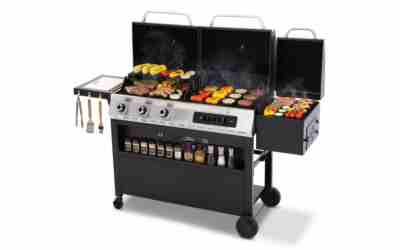
GrillsHouse ZH3005Y 2-Burner Gas Charcoal Combo Grill

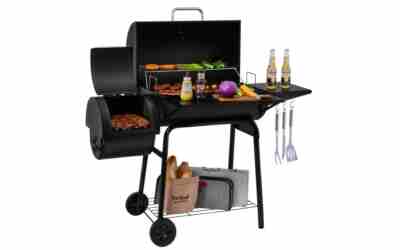
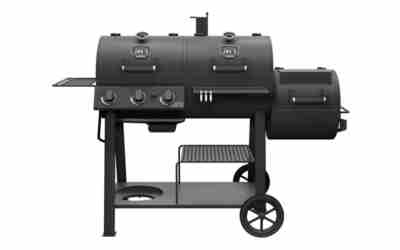
Oklahoma Joe's Canyon Combo Dual Fuel Smoker & Grill

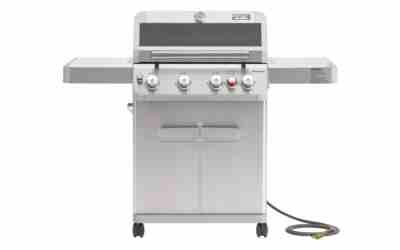
MFSTUDIO Gas and Charcoal Grill Combo 690 sq in
As an Amazon Associate we earn from qualifying purchases. Product prices and availability are accurate as of the date/time indicated.
Related reading: How to Clean a Pellet Grill · The Best Small Smoker Grill of 2026
Frequently Asked Questions
Can I start a charcoal grill without lighter fluid?
Yes. A chimney starter with fire starter cubes or newspaper lights charcoal without any fluid and avoids a chemical taste. An electric starter loop also works if you have an outdoor-rated power source nearby.
Can I light a gas grill with a match if the igniter is broken?
Yes. Open the lid, hold a long lit match or a match-holder next to the burner, then turn that burner to high. Never reach over the burner, and let escaped gas clear for five minutes if it fails.
Can I add more charcoal while I’m cooking?
Yes, but light it first. Add pre-ashed coals from a chimney starter rather than raw charcoal, because raw charcoal smokes heavily and flares. Never pour lighter fluid onto coals that are already hot.
Can I use my grill on a covered patio?
No. Heat, smoke and carbon monoxide build up under a roof or overhang, and the structure can catch fire. Use the grill in an open area with the clearance your manual specifies.
{“@context”: “https://schema.org”, “@type”: “FAQPage”, “mainEntity”: [{“@type”: “Question”, “name”: “Can I start a charcoal grill without lighter fluid?”, “acceptedAnswer”: {“@type”: “Answer”, “text”: “Yes. A chimney starter with fire starter cubes or newspaper lights charcoal without any fluid and avoids a chemical taste. An electric starter loop also works if you have an outdoor-rated power source nearby.”}}, {“@type”: “Question”, “name”: “Can I light a gas grill with a match if the igniter is broken?”, “acceptedAnswer”: {“@type”: “Answer”, “text”: “Yes. Open the lid, hold a long lit match or a match-holder next to the burner, then turn that burner to high. Never reach over the burner, and let escaped gas clear for five minutes if it fails.”}}, {“@type”: “Question”, “name”: “Can I add more charcoal while I’m cooking?”, “acceptedAnswer”: {“@type”: “Answer”, “text”: “Yes, but light it first. Add pre-ashed coals from a chimney starter rather than raw charcoal, because raw charcoal smokes heavily and flares. Never pour lighter fluid onto coals that are already hot.”}}, {“@type”: “Question”, “name”: “Can I use my grill on a covered patio?”, “acceptedAnswer”: {“@type”: “Answer”, “text”: “No. Heat, smoke and carbon monoxide build up under a roof or overhang, and the structure can catch fire. Use the grill in an open area with the clearance your manual specifies.”}}]}