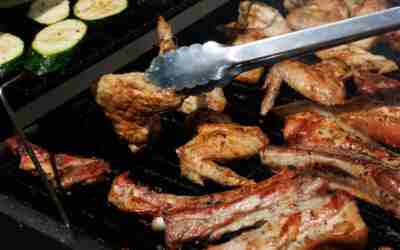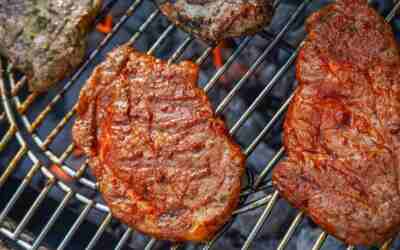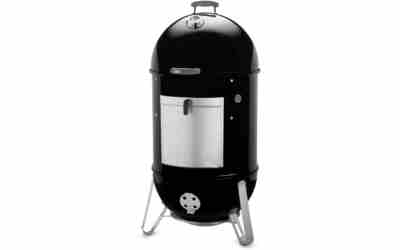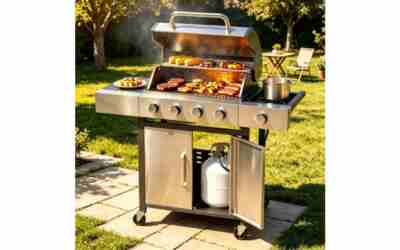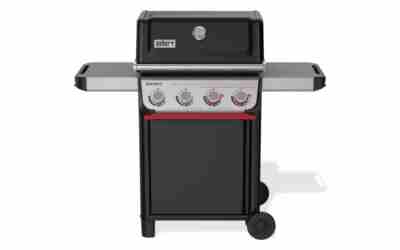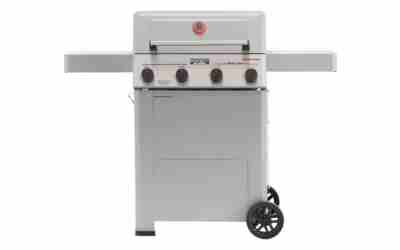

To use a grill safely, cook outdoors, follow your manual on distance (many say 10 feet from buildings), and never leave a lit grill alone.
Where to put a grill: distance from the house, decks and trees
Grill outdoors only, on a flat, stable surface, away from anything that can burn. Follow your manual or label and your local fire code on distance; many say at least 10 feet from the side of a house or building, and some require more or allow less.
- Keep the grill out from under eaves, low branches, awnings and overhangs.
- Stay clear of railings, fences, siding and stored items such as firewood or propane cans.
- On a wood or composite deck, check the manual first and use a heat-resistant pad under the grill if it allows one.
- Set a 3-foot kid and pet zone around the grill, a common fire-safety recommendation.
- Pick a spot out of strong wind so sparks and flames do not blow toward the house.
Balconies, covered porches and rain
Many cities, fire codes and apartment leases ban gas and charcoal grills on balconies or within a set distance of multifamily buildings. Check your local fire department and your lease before you light anything.
A grill under an open patio cover is only safe if the manual and local code allow it and there is plenty of clearance overhead. Do not use a grill on an enclosed or screened porch. Light rain is fine if you stay outside and the grill sits on a stable base, but never move a lit grill.
Why you can’t grill in a garage or tent: carbon monoxide
Charcoal and gas grills both produce carbon monoxide (CO), a colorless, odorless gas that can build up fast in any enclosed or partly enclosed space. Tents, campers, walled porches, garages and vehicles are all risky.
Never bring a grill, or hot coals, indoors to finish cooking or to stay warm. Charcoal can keep giving off CO long after the flames die down.
CO poisoning feels like the flu: headache, dizziness, nausea, weakness and confusion. If anyone has these symptoms near a grill, get everyone into fresh air and call 911.
How to use a gas grill safely: leak test, lighting and shutdown
Leak test (new tank, new grill, or start of each season)
- Mix equal parts dish soap and water.
- Make sure all burner knobs are off, then open the cylinder valve.
- Brush or spray the soapy mix on the hose, regulator and every connection.
- Watch for bubbles that grow. Growing bubbles mean a leak.
- Close the valve, tighten the connection and test again. If bubbles return, or the hose is cracked or brittle, replace the part before using the grill.
Never test for a leak with a flame. If you smell gas, turn off the burners and the cylinder, move away, keep ignition sources away and call the fire department. Do not try to light the grill.
Lighting steps
- Open the lid fully. Gas can collect under a closed lid and flash when it ignites.
- Open the cylinder valve slowly.
- Turn on one burner and press the igniter, or use a long match or lighter if your manual allows it.
- If it does not light within a few seconds, turn off the burner and the cylinder, wait about 5 minutes (follow your manual) and try again.
- Once lit, light the other burners, close the lid and preheat.
Shutdown
The shutdown order depends on your manual, so follow it. Many manuals say to close the cylinder valve first, let the burners use up the gas left in the line, then turn the knobs off. Let the grill cool before covering it. Store cylinders upright and outdoors, never in a garage, basement or hot car.
How to light and put out charcoal safely
A chimney starter with newspaper or an electric starter is the safest way to light charcoal. If you use lighter fluid, buy only fluid made for charcoal, use it exactly as the label says, and let it burn off before cooking.
- Never add lighter fluid to burning or hot coals. It can flash back up the stream and burn you.
- Never use gasoline, kerosene or other fuels as a starter.
- Keep the lid open and your face and sleeves back when lighting.
- Keep a bucket of sand or a hose nearby for stray embers on the ground.
Putting out charcoal and disposing of ashes
- When done, close the lid and shut all the vents to starve the coals of air.
- Leave the ashes in place until they are completely cold. Many fire departments say wait 48 hours, or soak them in water first.
- Scoop cold ashes into a metal container with a lid and keep it away from the house and anything that can burn.
- Never put ashes in a paper bag, plastic bin or trash can. Buried embers can reignite.
What to do in a grease fire or flare-up
Grease buildup in the firebox, burner area and drip tray is a common cause of grill fires. Scrape and empty grease regularly. Pellet grill owners can follow our guide on how to clean a pellet grill and avoid grease fires, and the same habits apply to any grill.
Small flare-up
- Move the food to a cooler part of the grill.
- Close the lid for a moment to cut the oxygen.
- Trim fat from meat next time, and keep grates and drip trays clean.
Real grease fire
- Turn off all the burners (gas), then close the lid and vents.
- If it is safe to reach, close the cylinder valve.
- Step back. Do not use water, which can spread burning grease.
- For a small fire, baking soda or a Class B or ABC extinguisher can help.
- If flames reach the hose, regulator or tank, or you cannot control the fire, move away and call 911.
Never leave a lit grill alone, even briefly. Most fires happen when no one is watching.
Grill food safety: safe temperatures and cross-contamination
Use a food thermometer. Color and grill marks do not tell you if meat is done. These are USDA safe minimum internal temperatures.
| Food | Safe internal temperature |
|---|---|
| Poultry (chicken, turkey, burgers made with poultry) | 165°F |
| Ground beef, pork, lamb and veal | 160°F |
| Beef, pork, lamb steaks, chops and roasts | 145°F, then rest 3 minutes |
| Fish and shellfish | 145°F |
| Leftovers and reheated food | 165°F |
- Use separate plates and tongs for raw and cooked food.
- Throw away marinade that touched raw meat, or boil it first if you want to use it as a sauce.
- Keep cold food in a cooler until cooking and refrigerate leftovers within 2 hours, or within 1 hour when it is above 90°F outside.
- Wash hands and utensils after handling raw meat.
Grill safety checklist to print
Before you light
- Grill is outdoors, level and away from the house, eaves and branches, at the distance your manual and local code give.
- Grease tray and grates are clean, and no loose items are near the grill.
- Gas: hoses and connections pass the soap test and the lid is open.
- Charcoal: only charcoal-rated starter, used per the label, with a chimney starter if you have one.
While cooking
- Stay with the grill, and keep kids and pets about 3 feet away.
- Use long-handled tools and a thermometer.
- Keep the baking soda or extinguisher from the grease-fire steps within reach.
When finished
- Gas: shut down in the order your manual gives, then let the grill cool.
- Charcoal: close the lid and vents, let ashes cool 48 hours or soak, then store them in a metal container.
- Refrigerate leftovers promptly.
Safety features to look for in a replacement grill
If your grill, hose or regulator is old or damaged, look for a built-in lid thermometer, a stable base and sturdy, replaceable hoses and connections. Our roundup of the best propane grills lists current gas options.
Our Top Picks
Ready to shop? These are the top-rated options from our hands-on roundup, Best Gas Charcoal Combo Grill of 2026.

GrillsHouse ZH3005Y 2-Burner Gas Charcoal Combo Grill

Oklahoma Joe's Canyon Combo Dual Fuel Smoker & Grill

MFSTUDIO Gas and Charcoal Grill Combo 690 sq in
As an Amazon Associate we earn from qualifying purchases. Product prices and availability are accurate as of the date/time indicated.
Frequently Asked Questions
Can I grill on a ground-level apartment patio?
Only if your lease and local fire code allow it. Many multifamily rules ban gas and charcoal grills near buildings, even on ground-level patios. Ask your landlord in writing, and if grilling is banned, ask whether an electric grill is permitted.
Is it safe to grill in a garage with the door open?
No. Carbon monoxide can still collect in a garage and seep into the house through connecting doors, even with the big door open. Move the grill outdoors, away from doors, windows and vents, at the distance your manual gives.
Should I cover a grill while it is still hot?
No. Wait until it is fully cool, since a cover can melt or catch fire on hot metal and trap heat. Grease and food residue left inside can also smolder, so clean the grill before covering it.
How long does a propane tank last on a grill?
Estimate: a full 20-pound tank holds roughly 430,000 BTU (about 4.7 gallons at about 91,500 BTU per gallon). At a total burner output of 30,000 BTU per hour on high, that is about 14 hours. Lower heat settings stretch it, and your grill’s rating changes the result.
How do I check whether my propane tank is expired?
Look for the date stamped on the collar, shown as month and year. Under US DOT rules, cylinders generally need requalification about 12 years after that date. Check the label or ask the exchange or refill provider, and replace any tank that is dented, rusted or damaged.
{“@context”: “https://schema.org”, “@type”: “FAQPage”, “mainEntity”: [{“@type”: “Question”, “name”: “Can I grill on a ground-level apartment patio?”, “acceptedAnswer”: {“@type”: “Answer”, “text”: “Only if your lease and local fire code allow it. Many multifamily rules ban gas and charcoal grills near buildings, even on ground-level patios. Ask your landlord in writing, and if grilling is banned, ask whether an electric grill is permitted.”}}, {“@type”: “Question”, “name”: “Is it safe to grill in a garage with the door open?”, “acceptedAnswer”: {“@type”: “Answer”, “text”: “No. Carbon monoxide can still collect in a garage and seep into the house through connecting doors, even with the big door open. Move the grill outdoors, away from doors, windows and vents, at the distance your manual gives.”}}, {“@type”: “Question”, “name”: “Should I cover a grill while it is still hot?”, “acceptedAnswer”: {“@type”: “Answer”, “text”: “No. Wait until it is fully cool, since a cover can melt or catch fire on hot metal and trap heat. Grease and food residue left inside can also smolder, so clean the grill before covering it.”}}, {“@type”: “Question”, “name”: “How long does a propane tank last on a grill?”, “acceptedAnswer”: {“@type”: “Answer”, “text”: “Estimate: a full 20-pound tank holds roughly 430,000 BTU (about 4.7 gallons at about 91,500 BTU per gallon). At a total burner output of 30,000 BTU per hour on high, that is about 14 hours. Lower heat settings stretch it, and your grill’s rating changes the result.”}}, {“@type”: “Question”, “name”: “How do I check whether my propane tank is expired?”, “acceptedAnswer”: {“@type”: “Answer”, “text”: “Look for the date stamped on the collar, shown as month and year. Under US DOT rules, cylinders generally need requalification about 12 years after that date. Check the label or ask the exchange or refill provider, and replace any tank that is dented, rusted or damaged.”}}]}