Yes, growing vegetables in galvanized beds is generally considered safe when you use new, garden-rated beds and keep soil pH at 6.0 or higher. The zinc coating releases only tiny amounts in neutral soil. Risk rises with acidic soil and with old or salvaged galvanized items of unknown origin. Long-term research is thin, so a liner is cheap insurance.
Is it safe to grow vegetables in galvanized beds?
For new beds from a maker that states its materials, yes, with two conditions: keep the soil pH near neutral and skip old, unknown galvanized metal.
Galvanized steel is regular steel coated in zinc to slow rust. Zinc is also an essential nutrient for plants and people. Extension experts describe the small amounts released by normal weathering as not a risk to soil or human health.
The honest caveat: extension specialists say there is no definitive long-term research on vegetables grown in galvanized steel beds. The safety case rests on how zinc behaves in soil, not on decades of crop testing. That is why the steps below focus on the few things that change the risk.
- Low risk: new commercial galvanized raised beds, soil at pH 6.0 to 7.0, compost-rich mix.
- Higher risk: acidic soil (below about 6.0), old tubs or roofing of unknown history, anything that once held chemicals.
How does zinc get from galvanized steel into soil?
Zinc leaves the coating slowly through weathering, scratches and contact with wet soil. The coating corrodes a little at a time, and that is how it protects the steel underneath.
Acidity speeds this up. Extension guidance says zinc release increases when soil pH drops below about 6.0, and Iowa State is cited as warning that zinc can leach in acidic soils and affect plant health. In neutral to slightly alkaline soil, zinc binds to soil particles and becomes much less available to roots.
For perspective, adults need roughly 8 to 11 mg of zinc a day, and the NIH sets the upper limit for adults at 40 mg a day. Background soil zinc varies widely by region, so the only way to know your starting point is a lab test. Exact release rates depend on the coating, the climate and your soil, and I would not trust any page that quotes one fixed number.
Plants show zinc trouble before people do. Too much zinc can stunt growth and cause yellowing between the veins, so a bed that grows well is a reasonable early sign that nothing is wrong.
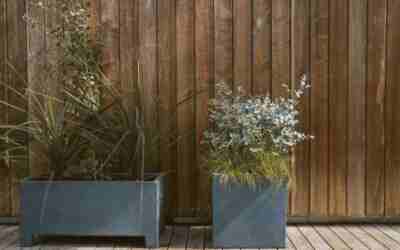
Are old galvanized tubs, buckets and stock tanks safe for food plants?
New stock tanks from farm-supply stores are usually fine. Old salvaged pieces are the real worry. Some galvanized products can contain trace lead and cadmium, so buy from makers who say what their metal is made of. With a salvaged item you cannot check that.
Use this quick screen before planting food in a used piece:
- Do you know what it held? If it ever held fuel, pesticides, fertilizer or other chemicals, do not use it for food.
- Is it flaking, peeling or heavily rusted through? Skip it, or use it for ornamentals only.
- Is it roofing, flashing or a part with paint or sealant on it? Skip it for edibles.
- Is the history unknown and you still want it? Plant flowers, or line it fully and grow only leafy ornamentals, not root crops.
Stock tanks need drainage holes. Drill several in the bottom and wear eye protection and gloves. Do not grind or weld galvanized metal without good ventilation, because the fumes can cause metal fume fever, with flu-like symptoms.
If you are picking plants for a tub or tank, our guide to the best plants for large planters covers what thrives in deep containers.
Do you need a liner in a galvanized raised bed?
A liner is optional for a new bed in neutral soil, and sensible if your soil is acidic or you simply want extra margin. A barrier between soil and metal is a commonly recommended extra layer.
Choices, from simplest up:
- Landscape fabric (woven, permeable): keeps soil off the metal and still drains. Staple it up the inside walls and trim it at the soil line.
- Food-safe plastic sheeting: a stronger barrier, but poke drainage holes or water will pool. Check that the product is rated for food-contact or garden use.
- Nothing: acceptable for new beds with tested pH of 6.0 or higher.
Never line the bottom of a bed that sits on soil with solid plastic. It blocks drainage and root depth. Line the sides only.
A liner has a second benefit. Galvanized walls get hot in full summer sun, and a liner buffers the soil edge so shallow roots are not baked. Size matters here too: our plant pot sizing guide helps you match depth to the crop.
What soil pH is best for vegetables in galvanized beds?
Aim for pH 6.0 to 7.0. That range suits most vegetables and keeps zinc locked to soil particles. Below about 6.0, zinc release rises.
Here is a simple routine, with a worked example:
- Test before filling. Send a sample of your soil mix to a university extension or commercial lab. Ask for pH, and zinc if offered. Home strips and probes are rough guides at best.
- Read the result. Example: the report says pH 5.6. That is below the 6.0 line, so the lab recommends garden lime at a rate for your mix.
- Amend and wait. Mix in the recommended lime, since lime takes weeks to act.
- Retest. Check again after 2 to 3 months, then once a year, and again after any acidic amendment.
Compost helps hold the pH steady and binds metals, so a compost-rich mix is a good base.
Acidic amendments and acid-loving crops
This is the trap most pages skip. Peat moss, elemental sulfur and pine-bark mulch lower pH. Blueberries want a pH of roughly 4.5 to 5.5, exactly where zinc release climbs. Grow blueberries in a plastic or fabric pot instead, and keep the galvanized beds for tomatoes, peppers, greens, beans and herbs.
Galvanized vs Corten, Aluzinc and wood for vegetable beds
| Material | Choose it if | Where it loses |
|---|---|---|
| Galvanized steel (zinc-coated) | You want a clean look, sharp lines and a long life, and your soil is near neutral. | Zinc release rises in acidic soil, and sun-heated walls can warm the soil edge. |
| Aluzinc / Galvalume (aluminum-zinc coated) | You want a coating that resists corrosion well and carries less zinc. | Still zinc-containing, and long-term food-garden data is just as thin. |
| Corten (weathering steel) | You like a rusty look and want to avoid zinc. | Rust runoff can stain patios, and it is an alloy, so ask the maker about composition. |
| Untreated cedar or similar rot-resistant wood | You want the simplest, most familiar option. | Wood rots and typically needs replacing sooner than steel. Avoid old pressure-treated or railroad-tie lumber. |
None of these is a clear winner for every yard. If your soil is acidic and you plan to amend with peat or sulfur, wood or a lined bed removes the main galvanized worry. If your soil is neutral, galvanized is a reasonable pick.
How long do galvanized beds last, and what should you do each season?
Lifespan depends on the coating thickness, steel gauge, climate and soil moisture, so check the manufacturer’s stated warranty rather than trusting a generic number. Many quality beds are sold with warranties measured in years or decades, and salty air or acidic, wet soil shorten that.
Seasonal checklist:
- Retest pH once a year, and after adding any acidic amendment.
- Check the walls for deep scratches, flaking or red rust, and replace any panel that is failing.
- Keep soil a little below the top edge so it does not sit against raw cut edges.
- Wear cut-resistant gloves when assembling or handling panels. Cut edges are sharp.
- Wash all produce well, as you would for any garden vegetable.
Once the bed is safe, the next question is what to plant. Our list of the best vegetables to grow in raised beds and the roundup of best plants for a raised bed vegetable garden will help you plan it. For smaller container setups, see our best plants for planters.
Our Top Picks
Ready to shop? These are the top-rated options from our hands-on roundup, Best Raised Garden Bed Wood of 2026.

Anleolife 8x4x2ft Oval Deep Root Galvanized Raised Garden Bed, 478 Gallon Extra Tall Metal Planter in Quartz Grey

Reachible 8x2x2FT Galvanized Raised Garden Bed, 24-Inch Deep Metal Planter Box with 32 Cu. Ft Capacity and Internal Support Rods

STMHOM 2-Pack Galvanized Raised Garden Beds, 6x3x1 FT Metal Planters with Safety Edges and Open Base for Vegetables and Flowers
As an Amazon Associate we earn from qualifying purchases. Product prices and availability are accurate as of the date/time indicated.
Frequently Asked Questions
Can I grow tomatoes in a galvanized stock tank?
Yes, if it is a new tank sold for general use and you drill drainage holes. Fill it with a compost-rich mix at pH 6.0 or higher. Tomatoes tolerate neutral soil well. Skip used tanks that held feed additives, chemicals or unknown liquids.
Will a galvanized bed kill my plants?
Not in normal conditions. Zinc is a plant nutrient, and harm is mainly tied to acidic soil below about pH 6.0. Yellowing between leaf veins and stunted growth are warning signs. Test pH, add lime if the lab advises, and retest.
Can I grow blueberries in a galvanized raised bed?
It is not a good match. Blueberries need acidic soil, roughly pH 4.5 to 5.5, which increases zinc release from the coating. Grow them in a plastic, fabric or wooden container and keep galvanized beds for vegetables that like neutral soil.
Should I use galvanized buckets from the barn?
Use them for ornamentals, not food, unless you know their full history. Old galvanized pieces may contain trace lead or cadmium, and you cannot verify that. Anything that held chemicals, fuel or paint should never be used for edible plants.
{“@context”: “https://schema.org”, “@type”: “FAQPage”, “mainEntity”: [{“@type”: “Question”, “name”: “Can I grow tomatoes in a galvanized stock tank?”, “acceptedAnswer”: {“@type”: “Answer”, “text”: “Yes, if it is a new tank sold for general use and you drill drainage holes. Fill it with a compost-rich mix at pH 6.0 or higher. Tomatoes tolerate neutral soil well. Skip used tanks that held feed additives, chemicals or unknown liquids.”}}, {“@type”: “Question”, “name”: “Will a galvanized bed kill my plants?”, “acceptedAnswer”: {“@type”: “Answer”, “text”: “Not in normal conditions. Zinc is a plant nutrient, and harm is mainly tied to acidic soil below about pH 6.0. Yellowing between leaf veins and stunted growth are warning signs. Test pH, add lime if the lab advises, and retest.”}}, {“@type”: “Question”, “name”: “Can I grow blueberries in a galvanized raised bed?”, “acceptedAnswer”: {“@type”: “Answer”, “text”: “It is not a good match. Blueberries need acidic soil, roughly pH 4.5 to 5.5, which increases zinc release from the coating. Grow them in a plastic, fabric or wooden container and keep galvanized beds for vegetables that like neutral soil.”}}, {“@type”: “Question”, “name”: “Should I use galvanized buckets from the barn?”, “acceptedAnswer”: {“@type”: “Answer”, “text”: “Use them for ornamentals, not food, unless you know their full history. Old galvanized pieces may contain trace lead or cadmium, and you cannot verify that. Anything that held chemicals, fuel or paint should never be used for edible plants.”}}]}