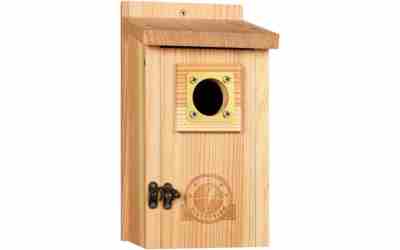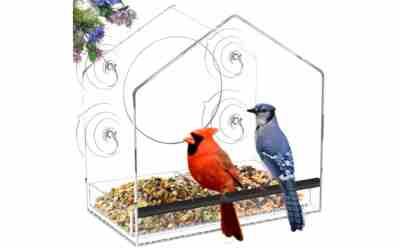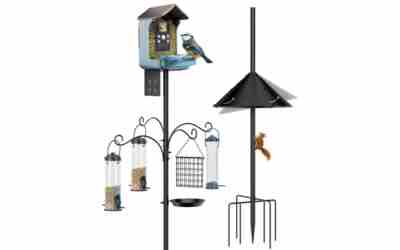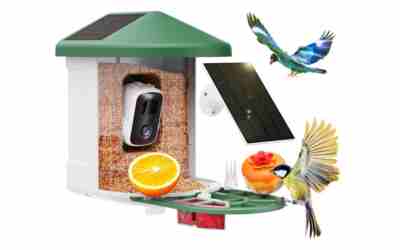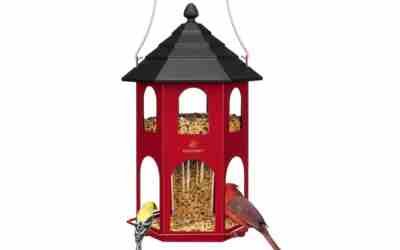

Yes, bird feeders can spread avian flu because they crowd birds together, though typical feeder songbirds are rarely infected. Whether to keep feeding depends on three things: whether you keep poultry, whether wild birds are dying nearby, and what your state wildlife agency currently advises. The checklist below covers each case.
How feeders spread avian flu
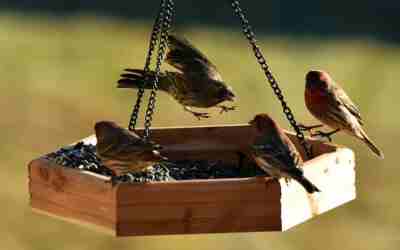
Avian influenza (HPAI, including H5N1) moves through droppings, saliva and other bird secretions. A feeder becomes a risk when many birds touch the same perch, port or tray and drop waste into the seed below.
- Shared surfaces: perches, trays and bird baths carry droppings from every visitor.
- Fallen seed: ground-feeding birds eat seed mixed with droppings, which wildlife groups such as BC SPCA flag as a significant disease source.
- Wet, moldy seed: it spreads other diseases too, so it is worth removing regardless of flu.
The virus hits waterfowl, gulls and raptors hardest. Cornell Lab reports relatively few documented HPAI cases in songbirds and typical feeder birds, but some doves, grackles and other species have been affected, so a lower risk is not zero risk.
Should you take your feeders down?
Use this decision list. If any of the first three apply, take seed feeders and baths down.
- You keep poultry (chickens, ducks, geese, turkeys). Wild birds at your feeder can carry the virus to your flock, so experts recommend removing feeders.
- Your state or local wildlife agency asks residents to stop feeding. Illinois did this during its outbreak, and agencies update advice as detections change.
- Ducks, geese, gulls or other water birds are visiting your feeder or yard.
- You see sick birds at the feeder. Audubon advises taking feeders down for about two weeks.
If none apply, agencies such as Michigan DNR say feeders can stay up if you clean them regularly. To check local status, look at the USDA APHIS wild bird detection map and your state wildlife agency page. Guidance differs by region, so follow your state’s current advice.
How to clean feeders and bird baths
Agencies including Illinois DNR recommend a 10% bleach solution: 1 part household bleach to 9 parts water. Canadian federal guidance is the same strength.
- Wear waterproof gloves and work outdoors or in a ventilated space.
- Empty old seed and dispose of it in a sealed bag in the trash.
- Scrub off droppings and debris with soap and water first, since bleach works poorly on dirty surfaces.
- Soak or wipe with the bleach solution. Check your feeder maker’s instructions for how long, because porous materials like wood may not tolerate soaking.
- Rinse thoroughly with clean water.
- Let it dry completely before refilling.
Mix bleach only with water, never with ammonia or other cleaners. For frequency and material-specific tips, see our guide on how often to clean a bird feeder and the full step-by-step cleaning guide.
Habits that reduce crowding if you keep feeding
Spread depends on how many birds share a surface, so the goal is fewer birds, less waste and less contact.
- Sweep up fallen seed and hulls under feeders regularly.
- Use several small feeders spaced apart rather than one large one.
- Offer only what birds finish quickly so seed does not sit and get soiled.
- Remove bird baths, or scrub and refill them often, since shared water spreads droppings.
- Keep feeders away from poultry runs and coops.
Squirrels and raccoons add contamination at feeders too, so a setup that keeps them off helps; see how to keep raccoons away from bird feeders.
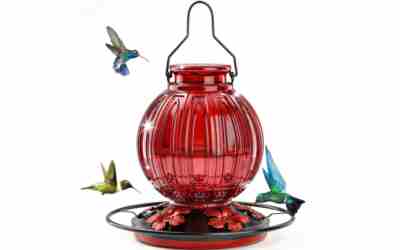
Hummingbird and oriole nectar feeders
Some agencies, including Illinois, treated hummingbird and oriole feeders as an exception when asking residents to remove seed feeders, because these birds do not gather in dense groups at them. Confirm with your own state agency, as this is not universal.
Nectar feeders still need regular cleaning to prevent mold and bacteria. Use the same rinse-and-dry approach, and follow your feeder maker’s directions for any bleach use.
Sick or dead birds, people and pets
Do not touch a sick or dead bird with bare hands. If you must move one, wear disposable gloves (and a mask if possible), double-bag it, then wash your hands and any tools afterward.
- Report it: contact your state wildlife agency, especially for several dead birds in one place. They may ask you to leave the bird or may collect it for testing.
- Pets: keep cats and dogs away from dead or sick birds and from feeder areas where birds are dying.
- People: human infections have been rare and linked mainly to close contact with infected birds or animals, per CDC. Ask your doctor if you handled a sick bird and feel unwell.
For health concerns about a pet, call your veterinarian rather than relying on general guidance.
Our Top Picks
Ready to shop? These are the top-rated options from our related roundup, Best Bird Feeder For Hummingbirds of 2026.

GreteGotye Glass Hummingbird Feeder 26 oz

More Birds Ruby Hummingbird Feeder 10 oz Glass

Birds Choice Best-1 32oz Hummingbird Feeder
As an Amazon Associate we earn from qualifying purchases. Product prices and availability are accurate as of the date/time indicated.
Frequently Asked Questions
Can avian flu spread from my feeder to backyard chickens?
Yes. Wild birds can carry the virus on their feet, feathers and droppings to a coop area. Keep feeders well away from poultry, or remove them entirely if you keep a flock, and follow your state agriculture department’s biosecurity advice.
Can I leave feeders up if I only see finches and sparrows?
Often that is acceptable if your state agency has not asked residents to stop feeding. Clean regularly, sweep up fallen seed, and take feeders down if sick birds appear or you add poultry.
Is it safe to put feeders back up after a break?
Wash and disinfect them first, then check your state wildlife agency for current guidance. Restart only if there are no recent local wild bird die-offs and no agency request to stop feeding.
Can I compost or bury a dead bird from my yard?
Ask your state wildlife agency first, since they may want to test it. If they approve disposal, use gloves, double-bag it and put it in the trash as they direct, then wash your hands.
{“@context”: “https://schema.org”, “@type”: “FAQPage”, “mainEntity”: [{“@type”: “Question”, “name”: “Can avian flu spread from my feeder to backyard chickens?”, “acceptedAnswer”: {“@type”: “Answer”, “text”: “Yes. Wild birds can carry the virus on their feet, feathers and droppings to a coop area. Keep feeders well away from poultry, or remove them entirely if you keep a flock, and follow your state agriculture department’s biosecurity advice.”}}, {“@type”: “Question”, “name”: “Can I leave feeders up if I only see finches and sparrows?”, “acceptedAnswer”: {“@type”: “Answer”, “text”: “Often that is acceptable if your state agency has not asked residents to stop feeding. Clean regularly, sweep up fallen seed, and take feeders down if sick birds appear or you add poultry.”}}, {“@type”: “Question”, “name”: “Is it safe to put feeders back up after a break?”, “acceptedAnswer”: {“@type”: “Answer”, “text”: “Wash and disinfect them first, then check your state wildlife agency for current guidance. Restart only if there are no recent local wild bird die-offs and no agency request to stop feeding.”}}, {“@type”: “Question”, “name”: “Can I compost or bury a dead bird from my yard?”, “acceptedAnswer”: {“@type”: “Answer”, “text”: “Ask your state wildlife agency first, since they may want to test it. If they approve disposal, use gloves, double-bag it and put it in the trash as they direct, then wash your hands.”}}]}