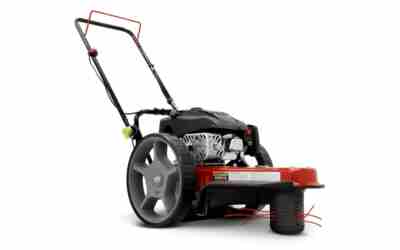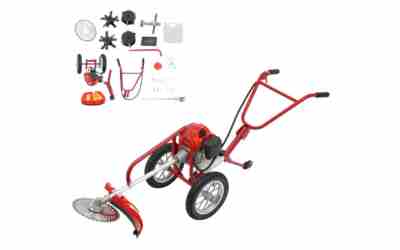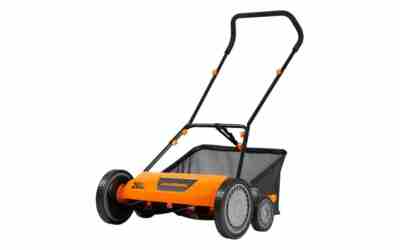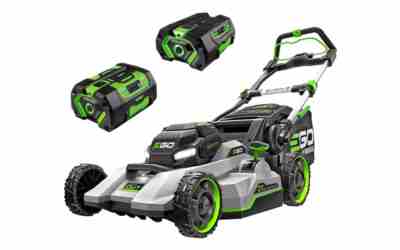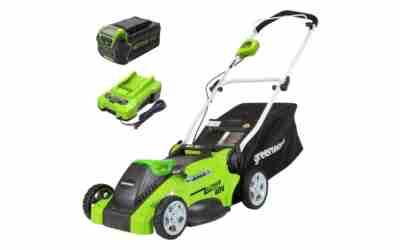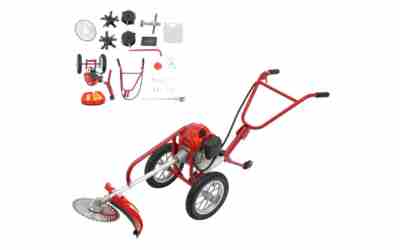

In the weed wacker vs lawn mower choice, a mower cuts the open lawn and a trimmer handles edges, slopes and obstacles, so most yards need both. The one exception is a tiny patch of grass, where a trimmer can stand in at the cost of an uneven cut and a lot of extra time.
What each tool does and where it loses
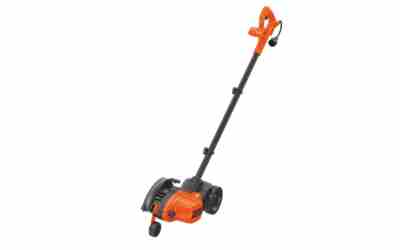
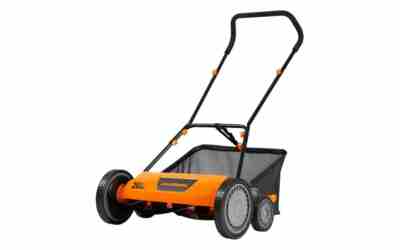
A mower rides on wheels and cuts at a fixed deck height across a wide swath. A string trimmer swings a spinning line on the end of a shaft, so you control the height by hand. An edger is a third tool: it has a vertical blade that cuts a clean trench along sidewalks and beds, and it does not cut grass at all.
| Tool | How it cuts | Best at | Where it loses |
|---|---|---|---|
| Lawn mower | Horizontal blade under a deck | Open, fairly flat lawn with an even cut height | Fence lines, tree bases, steep banks, ditches |
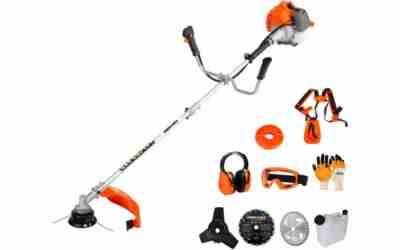
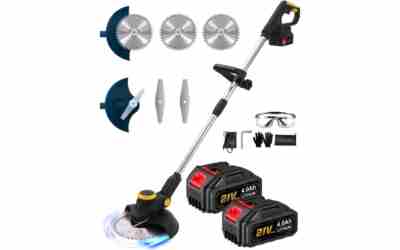
| String trimmer | Spinning plastic line | Edges, obstacles, slopes, tight corners | Large areas, even height, speed |
| Edger | Vertical blade | Crisp borders along walks and beds | Cutting grass anywhere else |
Weed wacker vs lawn mower on a 5,000 sq ft lawn
Time is the clearest difference. The inputs below are typical values, not measured results: a 21 in. push mower deck walked at 3 mph, a trimmer cutting a 15 in. swath at a slower 1.5 mph because you work low and carefully, and 30% of the time lost to overlap and turns on both.
| Tool | Swath | Walking speed | Coverage per hour | Time for 5,000 sq ft |
|---|---|---|---|---|
| Push mower | 21 in. | 3 mph | 19,404 sq ft | about 15 minutes |
| String trimmer | 15 in. | 1.5 mph | 6,930 sq ft | about 43 minutes |
The math: 1.75 ft x 15,840 ft per hour x 0.7 = 19,404 sq ft per hour for the mower, and 1.25 ft x 7,920 ft per hour x 0.7 = 6,930 sq ft per hour for the trimmer.
Quality matters too. A mower holds one height, while a trimmer drifts as your wrist tires. Dips scalp the grass and leave a ragged, patchy look, and scalped turf is slower to recover and lets weeds in.
Which one to buy by lawn size, slope and obstacles
Use this order to decide:
- Tiny or oddly shaped patch, mostly obstacles: a trimmer alone can work, since a 1,000 sq ft patch takes roughly nine minutes on the numbers above.
- Open lawn of 2,000 sq ft or more: buy the mower first. It covers the ground, and you can live without edge work for a few weeks.
- Steep bank or ditch you can’t safely mow: a trimmer is the safer tool there, even on a larger property.
- Lawn with fences, beds, trees or posts: you will need both, because the mower leaves a fringe at every obstacle.
If you are picking a mower, how to choose a lawn mower by yard size and terrain covers deck width and drive type. Match the mower to the lawn first, and add a trimmer second for the leftover edges.
Using a trimmer on tall grass, and trimming before or after mowing
A trimmer can knock down tall grass and weeds that would bog down a mower. Cut from the top in several layers, lowering the head a few inches per pass, rather than plunging to ground level. Then mow the lawn at a high setting and lower it on the next cut. A good habit is to remove no more than about one-third of the blade height in a single cutting.
For routine upkeep, trim around obstacles first and mow second. The mower then picks up or mulches the clippings the trimmer threw onto the lawn. Run an edger last if you have one, so the border stays crisp.
Thick woody brush and saplings are beyond a standard line trimmer. That job belongs to a brush cutter with a blade, which is a different and heavier tool.
Gas, battery and corded: how the power types compare
Both tools come in gas, battery and corded versions, and the trade-offs are similar. Gas models are generally louder and heavier but run as long as you have fuel. Battery models are quieter and easier to start, and their run time depends on the battery size and the model, so check the manufacturer spec page. Corded models are light and have no battery to charge, but the cord limits your range and can catch on obstacles.
For trimmers, weight matters more than for mowers, because you carry the whole machine. A mower is wheeled, so battery power is an easier fit for it. If you doubt that a cordless mower can handle your grass, are electric lawn mowers powerful enough explains where the limits sit.
Safety and maintenance differences
Wear eye and hearing protection, long pants and closed-toe shoes with either tool. Both throw stones and debris, so clear the area first and keep children and pets away. Keep the trimmer guard in place, and never trim at the base of a tree, because the string can damage the bark. Do not mow wet grass or slopes you can’t walk safely.
Before clearing a jam or changing line or a blade, disconnect the spark plug or remove the battery. Never refuel a hot gas engine, and use an approved fuel container.
Upkeep differs. A mower needs a sharp blade and clean deck, plus oil and air filter care on gas models. A trimmer needs fresh line, and running out is the most common nuisance, so learn how to restring a weed wacker. Two-stroke gas trimmers need a fuel mix, so follow the ratio in your manual.
Our Top Picks
Ready to shop? These are the top-rated options from our related roundup, Best Battery Powered Lawn Trimmer of 2026.

ALSOGO 24V Electric Weed Wacker Edger Lawn Tool

FzzboFlow 14-Inch Cordless String Trimmer with Wheels

HortiHub HG0556-AOR 12" Cordless String Trimmer
As an Amazon Associate we earn from qualifying purchases. Product prices and availability are accurate as of the date/time indicated.
Frequently Asked Questions
Is a weed eater the same as a weed whacker?
Yes. Weed eater, weed whacker and string trimmer all describe the same line-spinning tool. Weed Eater is actually a brand name that became common wording. An edger is a different tool with a vertical blade.
Can a string trimmer edge along a sidewalk?
Yes. Turn the head on its side or use the edging guide if your model has one. The result is rougher than a dedicated edger and needs steady hands, but it works for light borders.
Can a weed wacker cut thick brush or small trees?
No. Standard line heads are made for grass and soft weeds. Woody stems and saplings need a brush cutter with a blade, and your manual will say what attachments your model accepts.
Will trimming too close hurt the grass?
Yes. Cutting down to the soil scalps the crown, leaving brown patches and giving weeds space to grow. Keep the head at the same height as the mowed lawn and avoid pressing it into the ground.
{“@context”: “https://schema.org”, “@type”: “FAQPage”, “mainEntity”: [{“@type”: “Question”, “name”: “Is a weed eater the same as a weed whacker?”, “acceptedAnswer”: {“@type”: “Answer”, “text”: “Yes. Weed eater, weed whacker and string trimmer all describe the same line-spinning tool. Weed Eater is actually a brand name that became common wording. An edger is a different tool with a vertical blade.”}}, {“@type”: “Question”, “name”: “Can a string trimmer edge along a sidewalk?”, “acceptedAnswer”: {“@type”: “Answer”, “text”: “Yes. Turn the head on its side or use the edging guide if your model has one. The result is rougher than a dedicated edger and needs steady hands, but it works for light borders.”}}, {“@type”: “Question”, “name”: “Can a weed wacker cut thick brush or small trees?”, “acceptedAnswer”: {“@type”: “Answer”, “text”: “No. Standard line heads are made for grass and soft weeds. Woody stems and saplings need a brush cutter with a blade, and your manual will say what attachments your model accepts.”}}, {“@type”: “Question”, “name”: “Will trimming too close hurt the grass?”, “acceptedAnswer”: {“@type”: “Answer”, “text”: “Yes. Cutting down to the soil scalps the crown, leaving brown patches and giving weeds space to grow. Keep the head at the same height as the mowed lawn and avoid pressing it into the ground.”}}]}