
No, you should not weed whack poison ivy, because a string trimmer throws urushiol-coated plant bits onto your skin, clothes and face.
Why you should not weed whack poison ivy
A trimmer will cut poison ivy, so physically you can. The problem is what the spinning line does to the plant. It shreds stems and leaves and sprays the pieces outward, along with the oily sap that causes the rash.
That sap is urushiol. It is found in the leaves, stems and roots, and it sticks to skin, clothing, tool handles and trimmer guards. The result is often called “trimmer’s itch”: a rash and blisters that can last for weeks.
Three ways a trimmer makes it worse
- Flying debris. Bits land on bare ankles, forearms, your neck and your face, and they can reach skin through thin shorts or a T-shirt.
- Airborne particles. Shredding the plant can put urushiol into the air, where it can be inhaled. Breathing it can irritate the nose, throat and lungs.
- Contaminated gear. Urushiol can stay active on surfaces for days or longer, so the trimmer, gloves and boots can expose you again later.
Reactions vary by person and by how much oil you contact. Some people barely react at first and become sensitive after repeated exposure, so a past lack of rash is not protection. Everything below is general home guidance, not medical advice, and the doctor section lists when to get care.
Why cutting poison ivy does not get rid of it
Trimming only removes the top growth. Poison ivy lives on its roots and runners, so it resprouts after a cut, and you have spread urushiol for nothing. Repeated mowing or cutting can weaken a patch over time, but that means repeated exposure for you.
Dead or dormant plants are not safe either. Urushiol is in the stems and roots, so handling bare winter vines can still cause a rash. A leafless vine climbing a fence or tree should be treated like a live one.
Safer ways to remove poison ivy
Each method below avoids flinging plant pieces. Pick based on how big the patch is and how long you can wait.
| Method | Best for | Where it loses |
|---|---|---|
| Hand-pull with gloves, then bag | Small patches, loose soil after rain | Roots snap off easily, so shoots can return; you handle the plant directly |
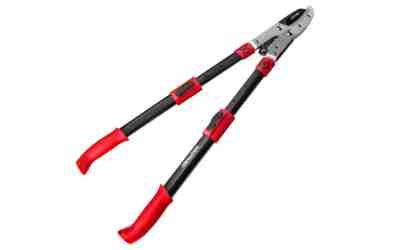
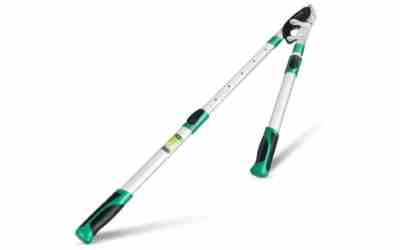
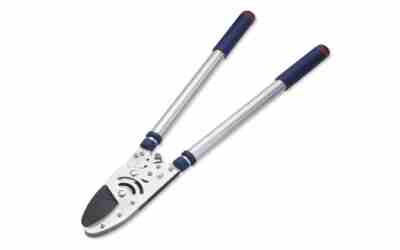
| Cut vines at the base with hand loppers, then dig out roots | Vines on fences, trees and walls | Slow and awkward; cut vines drip sap onto tools |
| Herbicide on leaves or cut stems | Large or dense patches | Can harm nearby plants; may need a second application |
Herbicide basics
Products containing triclopyr or glyphosate are commonly labeled for poison ivy. Triclopyr targets broadleaf plants and generally spares grasses, while glyphosate is nonselective and can kill any plant it touches, so shield lawn and garden plants. Check that the label lists poison ivy and your site, such as lawn, fence line or planting bed.
For foliage sprays, the label usually calls for treating when the plant is leafed out and actively growing, and a second pass is often needed. For vines too thick to spray, cut the stem and apply the product to the fresh cut surface soon after cutting, as the label directs, so the plant draws it into the roots. Follow the label for rates, protective gear and any limits near water, wells or drains.
Decision rule: pull or dig a patch smaller than about 3 by 3 feet, which is a rule of thumb. For anything larger, treat it with a labeled herbicide, or hire a pro for ivy that climbs trees you cannot reach safely.
How to remove poison ivy by hand, step by step
Use hand tools only: gloves, a trowel or spade, and hand loppers. Powered cutters are not part of this method.
- Check the forecast. Pick a calm day so no dust or leaf bits blow around. If you plan to pull, go after rain, because roots come out more easily from damp soil.
- Dress for it. Wear long sleeves, long pants, closed shoes, eye protection and waterproof or chemical-resistant gloves. Thin cotton garden gloves soak up urushiol, so wear waterproof gloves, ideally over a pair of disposable ones. Tuck pant legs into boots or tape them closed.
- Have bags ready. Open a heavy trash bag before you start so you never carry plant material across the yard.
- Loosen the soil. Use a trowel or spade to lift roots instead of yanking them. Pull the whole plant, including runners, and put it straight into the bag.
- Handle vines on trees carefully. Cut the vine near the ground with hand loppers, dig out what you can reach, and leave the upper part to die. Do not pull it down overhead, where sap and debris can fall on your face.
- Bag and tie. Double-bag if stems are thorny or wet.
- Remove gear in order. Peel off gloves first, turning them inside out, then eyewear, then shirt and pants without touching your face, then shoes. Put clothes straight into a bag or the washer.
- Wash up right away using the steps in the cleanup section below.
Check the area for regrowth every couple of weeks through the season, and pull or treat new shoots while they are small.
Never burn poison ivy, and how to dispose of it
Burning is the worst option. Smoke can carry urushiol, and breathing it can injure the lungs, with symptoms that may need emergency care. That applies to brush piles, burn barrels and fire pits alike.
Also do not compost it, chip it or put it through a leaf shredder, because the oil can survive and contaminate the pile or machine. Seal it in heavy trash bags and put it out with household trash. Rules for yard waste differ by town, so check with your local waste service if you have a large amount.
How to clean skin, clothes and tools after poison ivy
Speed matters most. The sooner you wash urushiol off, the less of it binds to your skin, so go straight to the sink or shower once the plant is bagged.
Skin
- Rinse with cool running water and soap, or use a poison ivy cleanser according to its label.
- Wash under fingernails and every area the plant touched, including your neck and ears.
- Start with cool water rather than hot, and do not scrub hard enough to break the skin.
Clothes
Wash the clothes separately from other laundry, using your normal detergent and the warmest water the fabric allows. Run an empty cycle afterward to clean the washer. Do not toss worn clothes on furniture before they are washed.
Tools, boots and the trimmer
Wearing waterproof gloves, wipe tool handles, blades, loppers and boot soles with rubbing alcohol or a degreasing cleaner, then wash with soap and water and let everything dry. Wash the gloves before reusing them.
If a trimmer has already been run through poison ivy, wipe the guard, shaft, handle, trigger and head the same way, and bag the used line.
Pets and kids can carry the oil on fur and clothes, so rinse a pet that ran through the area while wearing gloves.
When to call a doctor or a pro
Most rashes can be handled at home, but get medical care for any of these:
- A rash on the face, eyes, mouth or genitals
- Swelling, especially of the face or eyelids
- A severe or widespread rash, or one covering a large part of the body
- Trouble breathing or coughing after smoke or dust exposure
- Signs of infection, such as pus, spreading redness or fever
Call a tree or vegetation pro if the ivy climbs high into trees, covers a big slope or sits beside water you cannot spray around, or if you have reacted badly before. Ask whether they use protective gear and bag the debris.
Our Top Picks
Ready to shop? These are the top-rated options from our hands-on roundup, Best Weed Wacker For Heavy Brush of 2026.

HieYungo Cordless Weed Wacker 8-inch 2x4.0Ah Batteries
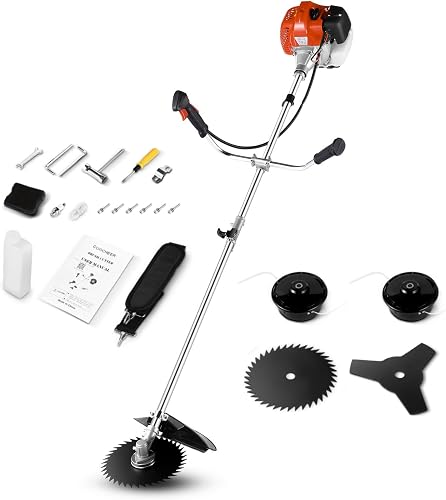
COOCHEER 58CC 4-in-1 Gas Weed Wacker 18.5in Cut
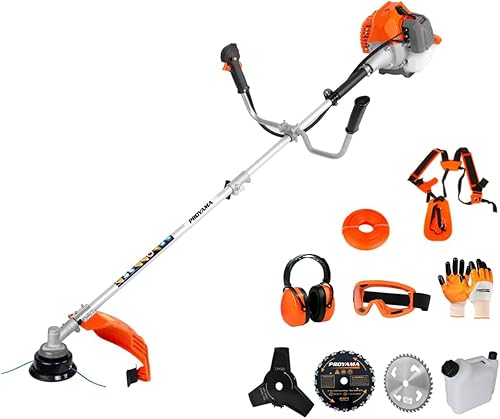
PROYAMA 42.7cc Gas Weed Eater Trimmer
As an Amazon Associate we earn from qualifying purchases. Product prices and availability are accurate as of the date/time indicated.
Related reading: How to Restring a Weed Wacker: 9 Steps for Bump-Feed Heads · Should I Spray Weed Killer Before Rain? Rainfast Times
Frequently Asked Questions
Is it safe to mow poison ivy with a lawn mower?
No. A mower chops the plant and can throw debris and fine particles just as a trimmer does, and the deck and blades stay contaminated. Treat or hand-remove the ivy first.
How long does urushiol stay on a trimmer?
It can remain active until it is cleaned off, and that can be a long time on plastic and metal. If the machine touched poison ivy, handle it with gloves until you have wiped it down.
Can I reuse trimmer line that hit poison ivy?
No. Line is hard to clean thoroughly, so cut off the exposed length, bag it, and load fresh line after the head is wiped.
Can I spray herbicide and then trim the dead ivy?
No. Dead stems still carry urushiol, so a trimmer still throws it. Let the plant die, then remove it by hand with gloves and bag it.
Can I weed whack the plants around poison ivy?
Only if the ivy is not within reach of flying debris. If you are not sure, remove the ivy first. Decision rule: if a spinning tool could touch or spray the ivy, do not use it.
{“@context”: “https://schema.org”, “@type”: “FAQPage”, “mainEntity”: [{“@type”: “Question”, “name”: “Is it safe to mow poison ivy with a lawn mower?”, “acceptedAnswer”: {“@type”: “Answer”, “text”: “No. A mower chops the plant and can throw debris and fine particles just as a trimmer does, and the deck and blades stay contaminated. Treat or hand-remove the ivy first.”}}, {“@type”: “Question”, “name”: “How long does urushiol stay on a trimmer?”, “acceptedAnswer”: {“@type”: “Answer”, “text”: “It can remain active until it is cleaned off, and that can be a long time on plastic and metal. If the machine touched poison ivy, handle it with gloves until you have wiped it down.”}}, {“@type”: “Question”, “name”: “Can I reuse trimmer line that hit poison ivy?”, “acceptedAnswer”: {“@type”: “Answer”, “text”: “No. Line is hard to clean thoroughly, so cut off the exposed length, bag it, and load fresh line after the head is wiped.”}}, {“@type”: “Question”, “name”: “Can I spray herbicide and then trim the dead ivy?”, “acceptedAnswer”: {“@type”: “Answer”, “text”: “No. Dead stems still carry urushiol, so a trimmer still throws it. Let the plant die, then remove it by hand with gloves and bag it.”}}, {“@type”: “Question”, “name”: “Can I weed whack the plants around poison ivy?”, “acceptedAnswer”: {“@type”: “Answer”, “text”: “Only if the ivy is not within reach of flying debris. If you are not sure, remove the ivy first. Decision rule: if a spinning tool could touch or spray the ivy, do not use it.”}}]}