
Healthy chainsaw compression is about 120 PSI or higher on a gauge, and readings below roughly 90 PSI point to a worn piston, rings or cylinder.
Chainsaw compression PSI: healthy, borderline and worn
Most shop techs and guides treat 120 PSI or more as healthy, and many good saws read 140 to 150 PSI. These cutoffs are widely used rules of thumb, not factory specs. Gauge quality, altitude, engine size and decompression valves all move the number, so use your model’s service manual if it lists a figure.
| Peak reading | What it usually means | Next step |
|---|---|---|
| 120 PSI or higher | Healthy top end | Look at fuel, spark and air leaks instead |
| 90 to 119 PSI | Starts and runs, but with less power than a fresh saw | Run a leak test, keep using it, plan a rebuild |
| Below 90 PSI | Worn or damaged piston, rings or cylinder | Inspect the piston and cylinder, then rebuild or replace |
Treat the reading as one piece of evidence. A saw can show good compression and still run poorly because of an air leak or a timing problem, both covered below.
How to test chainsaw compression step by step
You need a compression gauge with a hose that fits your spark plug thread. Work outdoors on a flat surface, away from fuel spills, and wear eye protection and gloves.
- Engage the chain brake and set the stop switch to off.
- Run the saw for a minute or two to warm it, shut it off, and let the muffler and cylinder cool until safe to touch.
- Pull the spark plug boot and remove the plug. Point the plug hole away from your face, because fuel can spray out when you pull the cord.
- Thread the gauge hose into the plug hole by hand. If your gauge is the hold-in type, press it square and firm so it seals.
- Open the choke fully (choke off) and hold the throttle wide open.
- Pull the starter cord briskly 4 to 6 times, until the needle stops climbing.
- Write down the peak, release the gauge valve, and repeat twice. Good readings agree within a few PSI.
- Reinstall the plug and boot.
Some saws have a decompression valve to make pulling easier. Check your manual to see whether it must be closed or if it changes the expected reading.
Gauge accuracy and checks without a gauge
Gauge quality matters. Users report that some budget testers read well below normal even on new saws, and thread-in gauges seal better than hold-in types. If you can, check your gauge on a saw you know runs strong, and compare all your readings from the same gauge.
If you have no gauge, these checks show a problem but give no number:
- Pull resistance: A healthy engine pushes back against the cord at the compression stroke. A cord that pulls almost freely suggests a worn top end or a major leak.
- Plug-hole look: With the plug out, shine a flashlight in and turn the engine slowly by hand. The piston crown should look evenly dark, not shiny, pitted or gouged.
- Exhaust port look: With the muffler removed, look at the piston skirt and cylinder wall for vertical scratches or aluminum smeared on the wall. Scoring there means the top end is damaged.
Any visible scoring is enough to stop and plan a rebuild, whatever the gauge says.
What low chainsaw compression means and how to confirm the cause
Low compression comes from the top end, the parts that seal the combustion chamber. The usual causes are:
- Worn piston rings from age and hours of use
- A scored piston or cylinder wall, often after running lean or with poor oil mixing
- Overheating from a clogged cooling fin area or spark arrestor screen
- Fuel mixed with too little two-stroke oil, or stale fuel that left deposits
Two-stroke engines also need a sealed crankcase. Worn crankshaft seals, a cracked intake boot or a leaking carburetor gasket let in extra air, and the saw leans out and runs hot even with decent compression. That is why a leak test belongs next to a compression test.
A pressure and vacuum tester plugs the intake and exhaust, then pressurizes the crankcase to the manual’s test pressure (commonly around 7 PSI). The gauge should hold steady. If it drops, spray soapy water around the seals and gaskets and look for bubbles.
Worked example
Three runs read 112, 113 and 114 PSI, which is steady and borderline. The leak test holds pressure. The saw is not leaking, so the rings are simply tired. It will keep cutting with less power, and a top end can wait.
A second saw reads 78 PSI, and the leak test also fails. Fix the leaking seal first, then retest, because the leak may have scored the cylinder. If the cylinder is scored, plan a rebuild.
Hard starting that is not a compression problem
Many saws that will not start or run weak have good compression. Work through these before opening the engine:
- Fuel: Mix older than a month or two, or fuel left in the tank all winter, is the most common culprit. Drain it and use fresh mix at the ratio in your manual.
- Spark: Check the plug for fouling or a wrong gap, then check for a strong spark. A weak coil or bad timing can matter as much as compression.
- Air filter and spark arrestor: A clogged filter or screen chokes the engine and causes overheating.
- Carburetor: Dried diaphragms, a stuck needle or a dirty screen cause hard starting and poor idle.
- Fuel line and filter: Cracked or hardened lines let air into the fuel system.
If the saw starts fine but cuts slowly or pulls to one side, the chain is a more likely cause than the engine. Sharpening the chain by hand is a quick fix to try first.
Rebuild or replace a low-compression chainsaw
Use one rule: rebuild only if parts and your time cost less than about half of a comparable new saw. For illustration, if a similar new saw is $300, a rebuild needing a piston, rings and gaskets makes sense under about $150. If the crankcase, crankshaft or bearings are also damaged, replace the saw.
Rebuilds pay off most on larger, pro-grade saws with replaceable cylinders. They rarely pay off on low-cost homeowner saws, where the cylinder is hard to source and a new unit costs little more. For current price ranges, see how much a chainsaw costs by type.
Before you rebuild, fix the cause: any air leak, lean carburetor setting or bad fuel habit will ruin the new parts. If you only cut a few times a year, a battery saw has no engine compression to worry about, and it is a simple alternative to a tired gas saw.
Buying used? Do a compression test and a leak test, and ask to see the piston through the exhaust port. A saw with a low reading and scoring is a project, not a bargain.
Our Top Picks
Ready to shop? These are the top-rated options from our hands-on roundup, Best Gas Chainsaw of 2026.

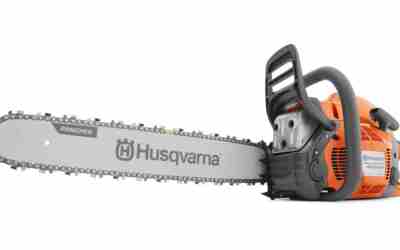
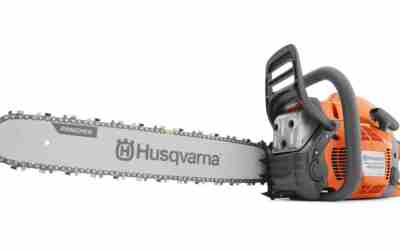
Husqvarna 455 Rancher Gas Chainsaw | 55cc 3.5-HP X-Torq Engine | 20-Inch Bar with Smart Start & LowVib Technology

Husqvarna 435 Gas Chainsaw, 40cc 2.2-HP, 16 Inch

Husqvarna 120 Mark III Gas Chainsaw | 16-Inch Bar, 38cc X-Torq Engine | Lightweight Wood Cutting & Pruning Tool
As an Amazon Associate we earn from qualifying purchases. Product prices and availability are accurate as of the date/time indicated.
Frequently Asked Questions
Can I use a car compression tester on a chainsaw?
Yes, if you have a small-engine adapter that matches your chainsaw’s spark plug thread. The full-size car fittings will not seal. Hose-style testers with threaded adapters work best, and a hold-in cone may leak and read low.
Does a wet test help with chainsaw compression?
Yes. Add a few drops of two-stroke oil through the plug hole and retest. If the reading jumps noticeably, the rings are worn and not sealing. If it barely changes, look at the piston, cylinder or a leak.
Should I leak test a used chainsaw before buying?
Yes. A compression test alone can pass a saw that has leaky crankshaft seals, which cause lean running and later piston damage. A pressure and vacuum test takes a few minutes and is the best check you can do on a used saw.
Do battery chainsaws have compression?
No. Battery saws use an electric motor, so there is no piston, no rings and no compression to test. Their common problems are the battery, the switch, the motor and the chain, not the top end.
{“@context”: “https://schema.org”, “@type”: “FAQPage”, “mainEntity”: [{“@type”: “Question”, “name”: “Can I use a car compression tester on a chainsaw?”, “acceptedAnswer”: {“@type”: “Answer”, “text”: “Yes, if you have a small-engine adapter that matches your chainsaw’s spark plug thread. The full-size car fittings will not seal. Hose-style testers with threaded adapters work best, and a hold-in cone may leak and read low.”}}, {“@type”: “Question”, “name”: “Does a wet test help with chainsaw compression?”, “acceptedAnswer”: {“@type”: “Answer”, “text”: “Yes. Add a few drops of two-stroke oil through the plug hole and retest. If the reading jumps noticeably, the rings are worn and not sealing. If it barely changes, look at the piston, cylinder or a leak.”}}, {“@type”: “Question”, “name”: “Should I leak test a used chainsaw before buying?”, “acceptedAnswer”: {“@type”: “Answer”, “text”: “Yes. A compression test alone can pass a saw that has leaky crankshaft seals, which cause lean running and later piston damage. A pressure and vacuum test takes a few minutes and is the best check you can do on a used saw.”}}, {“@type”: “Question”, “name”: “Do battery chainsaws have compression?”, “acceptedAnswer”: {“@type”: “Answer”, “text”: “No. Battery saws use an electric motor, so there is no piston, no rings and no compression to test. Their common problems are the battery, the switch, the motor and the chain, not the top end.”}}]}