
When to trim boxwood shrubs is simple: late winter to early spring, just before new growth, with a final trim six weeks before your first fall frost.
Best time to trim boxwoods in your zone
Trim by frost dates, not by the calendar. Do the main trim when the buds inside the plant begin to swell and nights have mostly stopped dropping below freezing. In a mild spring that can be late February. In a cold one it may be well into May. Boxwoods respond to this timing because a spring cut is followed right away by a flush of new growth that covers the cuts.
After the main trim you can shape lightly through the growing season. Each light pass should only tidy the surface, never cut into bare wood.
Decision rule: find your average first fall frost date, count back six weeks, and treat that date as your last trim of the year. The six-week gap is a common rule of thumb. It gives new shoots time to harden before cold arrives.
The table applies that rule to five zones. The first frost dates are example values, because the date varies widely within a single zone. Replace them with your own.
| USDA zone | Main trim | Example first frost | Last trim date |
|---|---|---|---|
| 4 | Late April to mid May | Sept 25 | Aug 14 |
| 5 | April | Oct 10 | Aug 29 |
| 6 | Late March to April | Oct 25 | Sept 13 |
| 7 | March | Nov 5 | Sept 24 |
| 8 | Late February to March | Nov 20 | Oct 9 |
Your town may differ from these examples by two weeks or more. Your county extension office can give you the local average first frost date. Count back from that date and write the result on your calendar so the last trim does not slip.
How to tell the main trim window has arrived
- Buds at the tips and along the stems look slightly plumper and lighter green.
- Winter-browned or bronzed leaves have stopped spreading, and you can see which stems are still green when you scratch the bark.
- The ground is no longer frozen, and the forecast shows no hard freeze for the coming week.
Can you trim boxwoods in summer, fall or winter?
Yes in summer, as long as you stay before your last trim date. Not in fall for anything beyond dead wood. Winter works only for dead or damaged stems.
- Summer: Light shaping is fine. Heat stresses a freshly cut plant, so work in the morning and keep cuts shallow. Skip any day when leaves are wilting.
- Fall: A trim after your last trim date pushes tender growth that frost can kill. The tips turn brown, and the damage can reach older wood. If a shrub looks shaggy now, leave it until spring.
- Winter: Fresh cuts on frozen days can dry out and brown. Dead or diseased branches can come out at any time, but save shaping for the end of dormancy.
Late in the season, resist the urge to tidy up a few stray shoots. A single long shoot looks untidy, but it is far less harmful to the plant than a cut that triggers new growth right before cold weather.
How much can you cut off boxwoods at once?
Remove no more than one-third of the plant’s height or volume in a single year. Most healthy boxwoods fill back in within one or two seasons after a cut at or under that limit.
Shearing versus thinning
Shearing with hedge shears shapes the outer surface and gives a tight, formal look. Repeated shearing makes the outside thick and shades the center, which leads to bare inner wood.
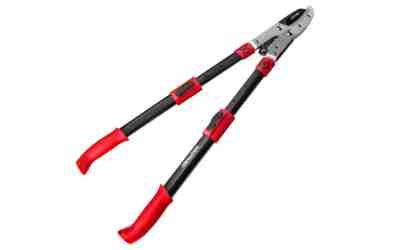
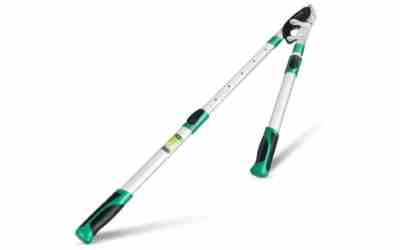
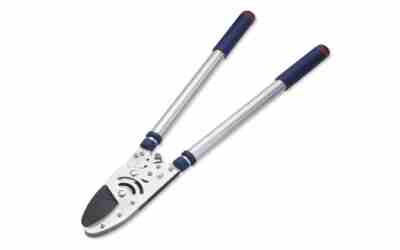
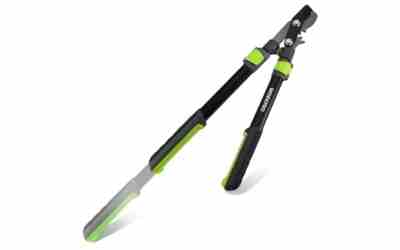
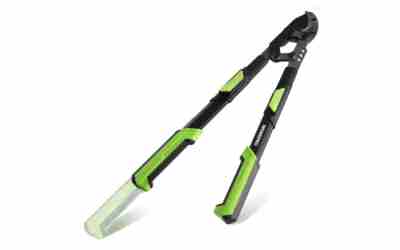
Thinning means reaching in and cutting selected stems back just above a pair of side buds. That opens the plant to light and air. Use bypass hand pruners for small stems and bypass loppers for thick old stems. Bypass blades slide past each other like scissors and make clean cuts in live wood, while anvil blades crush it. Sharp blades heal faster and leave fewer brown tips.
A battery or electric hedge trimmer is fine for surface shaping on a large hedge, but it cannot thin the interior.
Many established boxwoods need little pruning. Shear or thin lightly a couple of times in the early part of the season rather than hard once. When you finish, shake the plant gently to release loose clippings from the inside, since trapped debris holds moisture against the stems.
Worked example
Take a typical boxwood that is 48 inches tall, and say you want it near 30 inches. One-third of 48 is 16 inches, so the most you can remove this spring is 16 inches, which brings it to 32 inches. Next spring, trim the last 2 inches. Do it in two rounds, not one cut down to 30.
Before you start, check whether the shrub is already thin on the inside. If you can see bare stems under a green shell, use the renewal plan below instead of shearing.
How to renew an overgrown or bare boxwood
For a woody, bare-centered boxwood, spread a hard renewal over three years. Do each round in late winter to early spring, before growth starts.
- Year one: Cut out one-third of the oldest, thickest stems, working evenly around the plant. Make each cut just above a side bud or a branch junction.
- Year two: Remove another third of the oldest remaining stems, and lightly shorten the new growth.
- Year three: Take out the final old stems and shape the plant. Light should now reach the center.
Some people cut a whole shrub back hard in a single spring. The plant can look bare for a full season, and some may not recover. The three-year route keeps green foliage on the shrub the whole time.
After a heavy cut, the plant has less foliage to pull in water, so keep the root zone evenly moist, especially in summer. Our guide to drip irrigation run times for shrubs shows how to set a watering schedule you can adjust for your soil and emitters.
Skip fertilizer until you see new growth. If you do feed, follow the label and do it in spring only. Feeding right after a hard cut pushes growth the plant has no foliage to support.
Trim boxwoods without spreading blight or leafminer
Boxwood blight is a fungal disease that spreads on tools, hands and wet foliage. It shows as dark spots on leaves, black streaks on stems and fast leaf drop. Your state university extension service lists current prevention steps for your area.
- Trim only when foliage is dry. Wait until leaves have dried after rain, dew or irrigation. Wet foliage helps spores move.
- Disinfect blades before you start and between plants. Common choices are 70 percent isopropyl alcohol or a diluted bleach solution. Rinse and oil the blades after bleach, since it corrodes metal.
- Bag and remove clippings. Do not compost them or leave them under the shrub if blight is suspected.
- Check new plants. Inspect any boxwood before planting it near existing ones.
For boxwood leafminer, which causes blistered, yellowing leaves, and for box tree moth, rules depend on your state. Ask your county extension office for the local treatment timing. If you suspect box tree moth, report it to your state agriculture department rather than trimming the plant.
If you grow several boxwoods, trim healthy-looking plants first and any plant with spotted or dropping leaves last. Then clean your tools and your gloves before you put them away.
Our Top Picks
Ready to shop? These are the top-rated options from our hands-on roundup, Best Evergreen Shrubs For Containers of 2026.

Southern Living Obsession Nandina 2 Gal

Southern Living Yewtopia Plum Yew 3 Gallon Evergreen Shrub

Procumbens Nana Juniper 2.5 Quart
As an Amazon Associate we earn from qualifying purchases. Product prices and availability are accurate as of the date/time indicated.
Related reading: When to Put Up Hummingbird Feeders: 2 Weeks Before Arrival · When to Pull Pork Shoulder Off the Smoker (195-205°F)
Frequently Asked Questions
Can I trim a boxwood that turned brown over winter?
Wait until new growth appears in spring, then cut back to green tissue. Early trimming can remove wood that would have recovered. If a branch shows no green or buds by early summer, cut it out.
Can I trim a newly planted boxwood?
Hold off through the first growing season, apart from removing dead or broken stems. The plant needs foliage to build roots. Start light shaping the following spring.
Can I use an electric hedge trimmer on boxwoods?
Yes, for light surface shaping with sharp blades. It cannot reach inside the plant, so use hand pruners for thinning.
Should I trim boxwoods after a late spring frost?
Wait about two weeks after the frost. Once growth resumes, the damaged tips will be obvious, and you can cut them back to healthy green tissue.
Can I shear a boxwood into a ball or cone?
Yes. Shear on the same schedule as any other trim, and keep cuts in the green outer foliage. Old bare wood may not sprout new leaves.
{“@context”: “https://schema.org”, “@type”: “FAQPage”, “mainEntity”: [{“@type”: “Question”, “name”: “Can I trim a boxwood that turned brown over winter?”, “acceptedAnswer”: {“@type”: “Answer”, “text”: “Wait until new growth appears in spring, then cut back to green tissue. Early trimming can remove wood that would have recovered. If a branch shows no green or buds by early summer, cut it out.”}}, {“@type”: “Question”, “name”: “Can I trim a newly planted boxwood?”, “acceptedAnswer”: {“@type”: “Answer”, “text”: “Hold off through the first growing season, apart from removing dead or broken stems. The plant needs foliage to build roots. Start light shaping the following spring.”}}, {“@type”: “Question”, “name”: “Can I use an electric hedge trimmer on boxwoods?”, “acceptedAnswer”: {“@type”: “Answer”, “text”: “Yes, for light surface shaping with sharp blades. It cannot reach inside the plant, so use hand pruners for thinning.”}}, {“@type”: “Question”, “name”: “Should I trim boxwoods after a late spring frost?”, “acceptedAnswer”: {“@type”: “Answer”, “text”: “Wait about two weeks after the frost. Once growth resumes, the damaged tips will be obvious, and you can cut them back to healthy green tissue.”}}, {“@type”: “Question”, “name”: “Can I shear a boxwood into a ball or cone?”, “acceptedAnswer”: {“@type”: “Answer”, “text”: “Yes. Shear on the same schedule as any other trim, and keep cuts in the green outer foliage. Old bare wood may not sprout new leaves.”}}]}