
A spray bottle stops working when the nozzle clogs, the pump loses prime, or the dip tube slips off, and each problem has a quick fix.
Match the symptom to the cause
How the trigger feels narrows the problem faster than taking everything apart. The rows below run roughly from most to least common cause.
| What you notice | Likely cause | Fix |
|---|---|---|
| Trigger squeezes freely, nothing comes out | Lost prime or detached dip tube | Re-prime, then reseat the tube |
| Trigger has resistance, only a dribble | Clogged nozzle | Soak and clear the nozzle |
| Weak or sputtering mist | Partial clog or overtight nozzle cap | Loosen the cap, then clean |
| Sprays only when upright or nearly full | Dip tube too short or curled | Trim or extend the tube |
| Trigger works but little liquid comes out | Worn piston seal | Replace the sprayer head |
| Trigger stays pulled in | Broken, missing or dislodged spring | Replace the sprayer head |
Re-prime the pump and loosen the nozzle cap
A pump that has run dry or sat half-empty pulls in air instead of liquid. Priming pushes the air out so liquid can climb the tube.
- Make sure the liquid is deep enough to cover the end of the dip tube, and tighten the collar that holds the head on.
- Turn the nozzle cap about a quarter turn counterclockwise. A cap screwed on too tight squeezes the opening shut.
- Set the nozzle to the spray or mist position, not the off position.
- Aim into a sink and squeeze the trigger 10 full, quick strokes. Liquid should rise in the tube and the spray should start.
- If you still get only air, unscrew the head, check that the tube is attached, and screw the head back on firmly.
Unclog the nozzle and dip tube
Wear eye protection and point the nozzle away from your face. Pressurized liquid or a slipping pin can hit your eyes. Rinse out any bleach or cleaner before you soak anything, and never combine bleach with vinegar or ammonia, because that releases toxic gas.
Unscrew the front nozzle cap if yours comes off, or soak the whole head if it does not. Pick the soak that matches the residue:
| Residue | Soak in |
|---|---|
| Hard-water scale or crystallized cleaner | White vinegar |
| Hairspray, oils, sticky film | Rubbing alcohol |
| Dried household cleaner | Hot tap water with dish soap |
Soak for 30 minutes, then poke the opening gently with a pin to break up what is left. Rubbing alcohol is flammable, so use it in a ventilated spot away from flames.
Finish by running clean water through the head and tube. Pump it several times into a sink until the spray is an even cone. A pin will not fix a hardened clog inside the pump body; that is a replacement job.
Fix a dip tube that is loose, short or curled
If the bottle sprays only when full or held upright, the tube is probably not reaching the liquid. Some new bottles ship with the tube detached to save packing space, so push it firmly onto the sprayer stem.
- Too long or curled: a tube that curls up inside the bottle loses the liquid. Trim the tip at an angle so it just touches the bottom without bending.
- Too short: a tube that stops above the liquid cannot draw it up. Extend it with a length of matching plastic tubing so the end reaches the bottom corner.
- Cracked or split: a tube that leaks air near the top causes a weak spray. Replace the tube or the whole head.
Why a spray bottle stops working with thick or gritty mixes
The liquid is a common hidden cause. Hairspray, oils and other fast-hardening products dry in the nozzle opening, and essential-oil cleaners can leave a film that builds up over time.
Homemade mixes cause trouble too. Undissolved powder and thick blends separate or settle, then plug the tiny nozzle hole. Dissolve powders fully in warm water, shake before each use, and strain the mix through a coffee filter or fine mesh.
Harsh chemicals can also wear out the seals inside a head. Some heads are made for specific liquids, so follow the label on the sprayer or bottle, and do not use a trigger sprayer for anything thicker than it was built to handle.
When to replace the sprayer head or bottle
Cleaning will not fix worn parts. Replace the head if the trigger works but only a little liquid comes out, which points to a worn piston seal. Replace it too if the trigger does not spring back, since the spring is broken, missing or dislodged.
A loose, no-resistance trigger after a good prime and a tight collar also means a worn head. A new head costs less than the time spent repairing one.
Match the neck thread size when you buy one. A common size is 28/400, but check the number on the bottle or the old head, or take the old head to the store. Replace the bottle itself if it is cracked or the threads are stripped. Do not try to repair aerosol cans; they are pressurized and cannot be fixed like pump sprayers.
Keep it from clogging again
- Spray clean warm water through the bottle right after use, until the spray is even.
- Wipe the nozzle dry and keep the bottle capped so dust stays out.
- Store it upright so liquid does not sit in the head and dry there.
- Label every bottle and keep one bottle per product. Do not reuse a bottle that held chemicals for something else.
Our Top Picks
Ready to shop? These are the top-rated options from our related roundup, Best Garden Hose Sprayers of 2026.

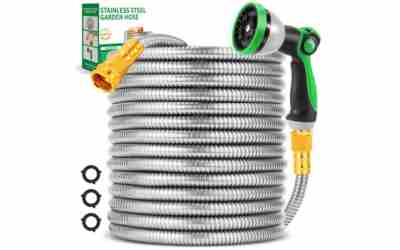
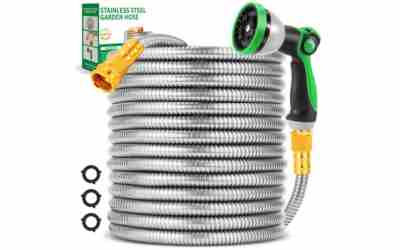
ToolasinGardenHose 50FT Stainless Steel Metal Garden Hose with 10-Function Nozzle, No-Kink and Leak-Proof Design

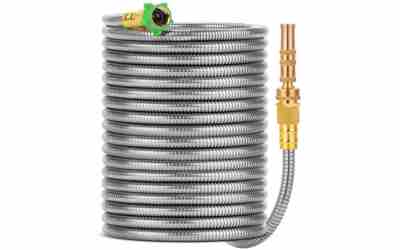
UNCO 75ft Stainless Steel Metal Garden Hose with 4-Function Brass Nozzle - Kink-Free Heavy Duty Design
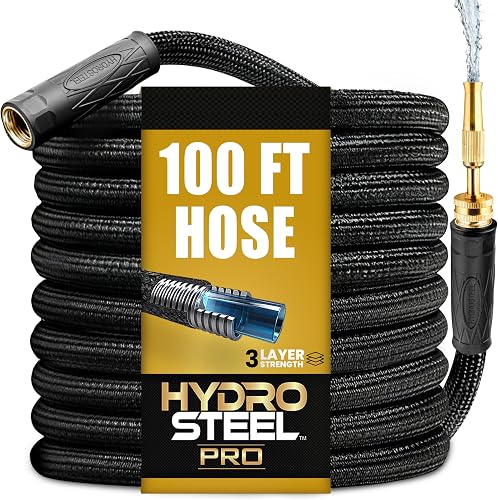
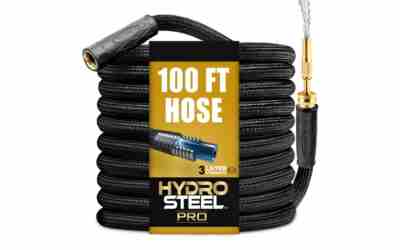
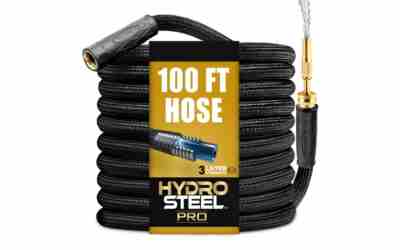
EMSON Hydrosteel PRO 100 Ft Heavy Duty 304 Stainless Steel Metal Garden Hose with Crush Resistant Fittings
As an Amazon Associate we earn from qualifying purchases. Product prices and availability are accurate as of the date/time indicated.
Related reading: Should I Spray Weed Killer Before Rain? Rainfast Times · Spray vs Granular Weed and Feed: Which Works Better?
Frequently Asked Questions
Can I soak the sprayer head in boiling water?
No. Boiling water can warp the plastic and loosen the seals, which makes the head leak or lose pressure. Use hot tap water instead. If the head still will not spray after a long soak, replace it rather than heating it further.
Can I swap the sprayer head from another bottle?
Yes, if the neck thread size matches. Screw it on and check that it seats without wobble. The dip tube must also reach the bottom of the new bottle, so trim a long tube or extend a short one.
Can I use a toothpick instead of a pin to clear the nozzle?
Yes, a toothpick is a gentler option because it is less likely to scratch or enlarge the opening. Work it in slowly after the soak. Do not force it, since a broken tip can lodge in the hole and cause a new clog.
Can I reuse a bottle that held bleach cleaner for a plant mix?
No. Leftover residue can harm plants and react with other liquids, and bleach can wear out the seals. Use a new, labeled bottle for plant mixes and keep cleaner bottles for cleaner.
{“@context”: “https://schema.org”, “@type”: “FAQPage”, “mainEntity”: [{“@type”: “Question”, “name”: “Can I soak the sprayer head in boiling water?”, “acceptedAnswer”: {“@type”: “Answer”, “text”: “No. Boiling water can warp the plastic and loosen the seals, which makes the head leak or lose pressure. Use hot tap water instead. If the head still will not spray after a long soak, replace it rather than heating it further.”}}, {“@type”: “Question”, “name”: “Can I swap the sprayer head from another bottle?”, “acceptedAnswer”: {“@type”: “Answer”, “text”: “Yes, if the neck thread size matches. Screw it on and check that it seats without wobble. The dip tube must also reach the bottom of the new bottle, so trim a long tube or extend a short one.”}}, {“@type”: “Question”, “name”: “Can I use a toothpick instead of a pin to clear the nozzle?”, “acceptedAnswer”: {“@type”: “Answer”, “text”: “Yes, a toothpick is a gentler option because it is less likely to scratch or enlarge the opening. Work it in slowly after the soak. Do not force it, since a broken tip can lodge in the hole and cause a new clog.”}}, {“@type”: “Question”, “name”: “Can I reuse a bottle that held bleach cleaner for a plant mix?”, “acceptedAnswer”: {“@type”: “Answer”, “text”: “No. Leftover residue can harm plants and react with other liquids, and bleach can wear out the seals. Use a new, labeled bottle for plant mixes and keep cleaner bottles for cleaner.”}}]}